The STEM label is mostly a skin
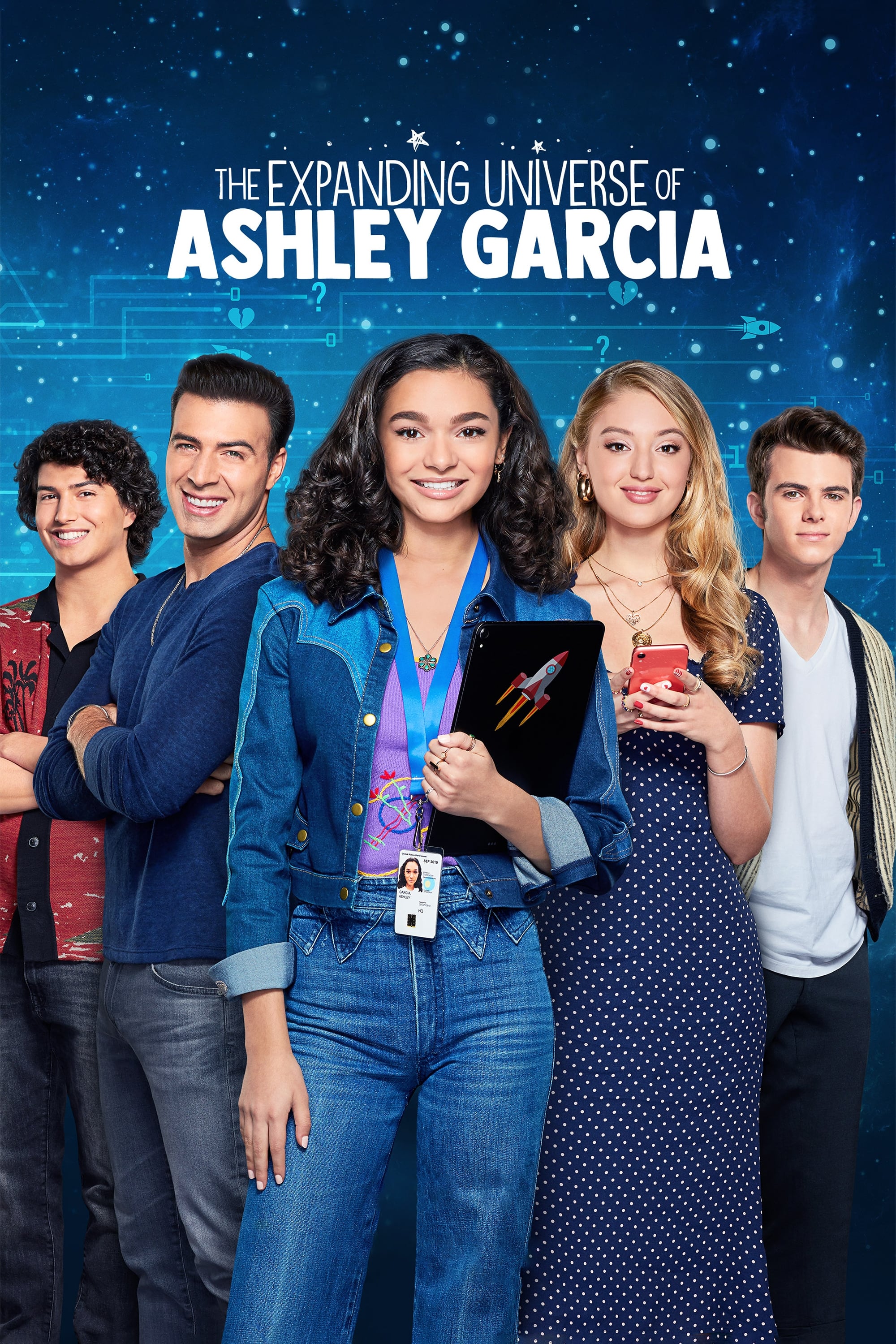
If you’re coming to this because your kid is into coding or robotics, prepare for a bit of a letdown. While the protagonist is a 15-year-old with two PhDs, the "genius" part of the title is mostly just a flavoring for a very standard teen sitcom. You won't find Mythbusters-level curiosity here. Instead, you get the classic multi-cam setup: loud laugh tracks, bright lighting, and a heavy focus on who is crushing on whom. It’s less about the mechanics of a rover and more about the mechanics of a first kiss.
A safe choice for the middle school gap
There’s a specific window where kids outgrow the primary-colored world of Nick Jr. but aren’t quite ready for the gritty edge of modern teen dramas. This show sits comfortably in that middle-school pocket. It’s "safe" in the sense that the stakes are low and the "mature" themes mentioned in some reviews usually boil down to mild flirting or the occasional "over-protective mother" trope.
If you’re looking for a deeper breakdown of how the show handles its brainy premise versus its romantic subplots, check out our parent’s guide to Ashley Garcia: Genius in Love. It’s a useful resource if you’re trying to figure out if the "moderate" sex and nudity flags on IMDb are actually a dealbreaker for your family. For most, these moments are just standard-issue "Genius in Love" awkwardness rather than anything scandalous.
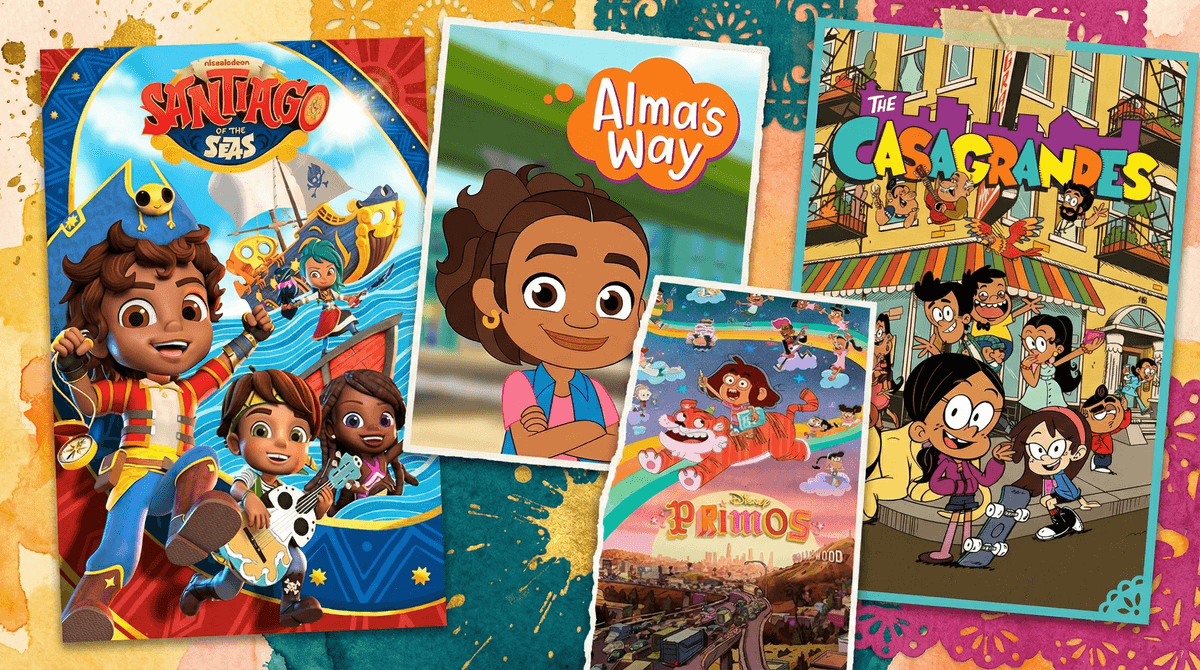
The Latinx sitcom tradition
One area where the show earns its keep is the representation. It follows a long tradition of family-centric sitcoms but centers a Latinx family without making that identity the only plot point. It feels like a throwback to the 90s or early 2000s—think Sister, Sister or Lizzie McGuire—where the family unit is central and the humor is broad.
Critics and parents have called the dialogue vapid, and honestly, they aren't wrong. The 6.7 IMDb score is a fair reflection of a show that is perfectly "fine" for a Saturday afternoon binge but won't be anyone's favorite series five years from now. It’s the TV equivalent of a mall pretzel: satisfying in the moment, but you’ll forget you ate it by dinner.
How to use it well
Don't try to make this an "educational" moment. If you force a conversation about robotics because of the synopsis, your kid will see right through it. Instead, use it as a litmus test for their interest in the genre.
- If they find the laugh track annoying or the plots predictable, they’re likely ready for more sophisticated storytelling or actual documentaries about space and engineering.
- If they love it, they’re probably just looking for a low-stress escape from their own middle-school drama.
It’s a "background noise" show. It works well while they're folding laundry or doing low-stakes homework, but it doesn't demand—or particularly deserve—full-focus viewing.