The Mae Whitman Factor
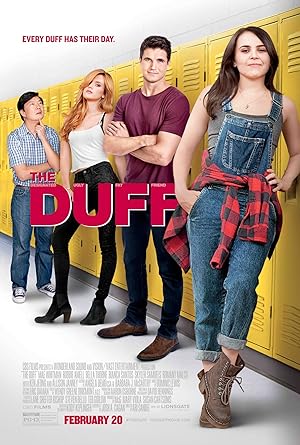
Most teen comedies live or die by the likability of their lead, and this one leans heavily on its star to stay afloat. While the premise—a girl being told she’s the "designated ugly fat friend"—is objectively absurd given that Mae Whitman is neither, her performance makes the internal crisis feel real. She doesn’t play it like a typical Hollywood underdog who just needs to take off her glasses; she plays it with a sharp, defensive wit that actually feels like a survival mechanism for high school.
If your kid has already cycled through the heavy hitters like Mean Girls or Easy A, they’ll recognize the rhythm here. It’s fast, it’s self-aware, and it knows exactly which tropes it’s subverting. Critics generally liked it more than the average audience did, largely because the script is smarter than the marketing suggested. It’s not a masterpiece, but it’s functional in a way that most Netflix-era teen romcoms fail to be.
The Digital Friction
The movie’s most relevant (and potentially stressful) beat isn't the romance—it's the cyberbullying. There is a specific plot point involving a secretly recorded video of the protagonist that goes viral. In 2015, this was a "wow, look at the power of the internet" moment; in 2026, it’s just Tuesday.
For a 14-year-old, this scene might feel more visceral than the "crude humor" the ratings warn you about. It’s a great entry point to talk about digital consent without being a buzzkill. The movie handles the fallout by having the character reclaim her image, which is a bit of a cinematic fantasy, but it’s a healthier fantasy than just waiting for the school year to end.
Where It Fits the Vibe
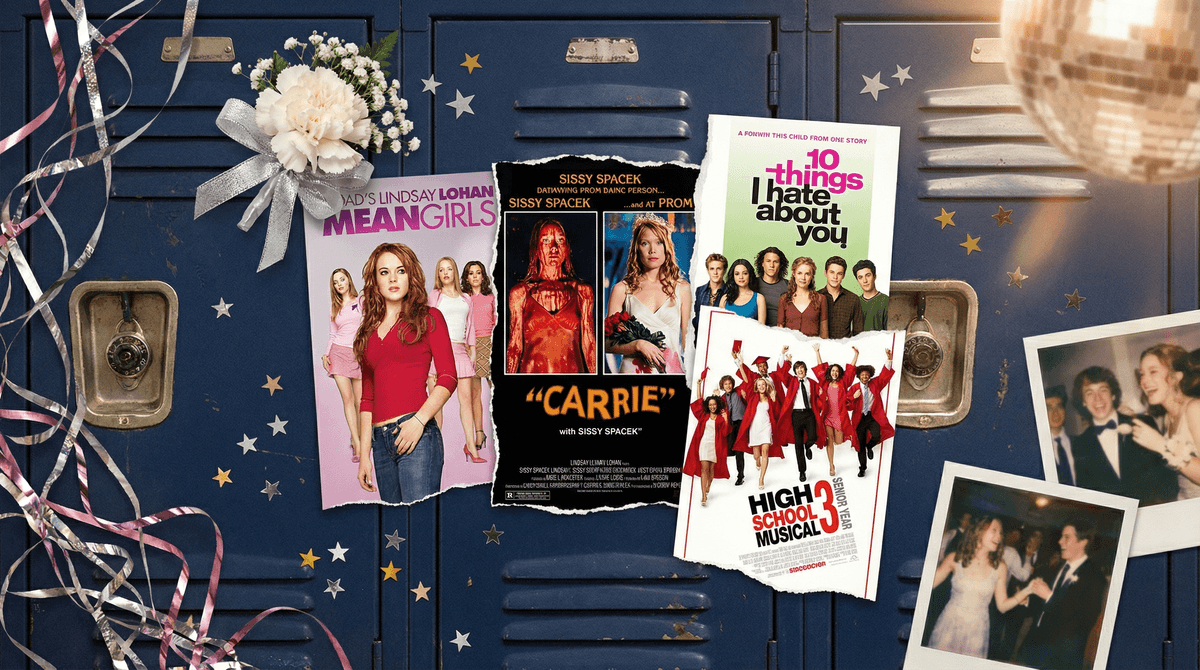
If you’re building a watchlist for a teen who lives for the drama of the dance floor, this fits right into the classic prom movies you need to see rotation. It shares that same DNA of "the big event" being the catalyst for a total identity shift.
However, make sure you aren't confusing this with the more aggressive, R-rated "high school" comedies that populate streaming services. Unlike The Change-Up, which is a hard-R body-swap movie that will definitely catch you off guard with its content, The Duff stays within the guardrails of a standard PG-13. It’s edgy enough to feel "real" to a freshman, but it isn't trying to shock you for the sake of a meme.
The Takeaway
The "DUFF" acronym is a relic of a very specific era of the internet, but the feeling of being the "approachable" friend while your peers get all the attention is timeless. We’ve seen this story before, but the movie’s willingness to call out the "social pecking order" by name gives it a bit more bite than your standard Hallmark-adjacent teen fare. It’s a solid Friday night pick—just be ready for the conversation about why social media can be a hellscape.