If you’ve spent any time on TikTok or Instagram lately, you’ve probably seen the clips: Drew Barrymore kneeling on the floor, inches from a celebrity’s face, holding their hands like they’re sharing a secret in a middle school hallway. It is unfiltered in a way that daytime television usually isn't. While the "golden retriever energy" is the show's calling card, the actual experience of watching it is a bit more chaotic than your standard morning talk show.
The "Drew-ism" Factor
Critics have been polarized by the format—it holds a 5 on IMDb and has seen some low critical scores—but those numbers don't really capture the show's cultural footprint. This isn't about hard-hitting journalism or even particularly polished comedy. It’s about a specific brand of vulnerability that can feel either revolutionary or deeply uncomfortable depending on your tolerance for public displays of emotion.
The host plays fast and loose with the traditional desk-and-chair setup. One minute she’s cooking, the next she’s crying with a guest over a shared life experience. For a generation of parents who remember Drew as the "wild child" movie star, there’s a meta-narrative here about growth and recovery that she doesn't shy away from. If you're trying to figure out why your teen is suddenly seeing clips of a daytime host crying on their feed, our guide on The Drew Barrymore Show: Decoding the Big Feelings and 'Drew-isms' breaks down the show's viral appeal.
Why it works (and why it doesn't)
The show is a "radically messy, life-affirming trip," as some reviewers have noted, but that messiness is the source of its primary friction. If your kid is used to the fast-paced, cynical humor of YouTube or Twitch, this will feel like it’s from another planet. It is the antithesis of "cool."
- The Physicality: Drew is a toucher. She leans in. She sits on the floor. If your kid is sensitive to second-hand embarrassment, they might find these moments physically painful to watch.
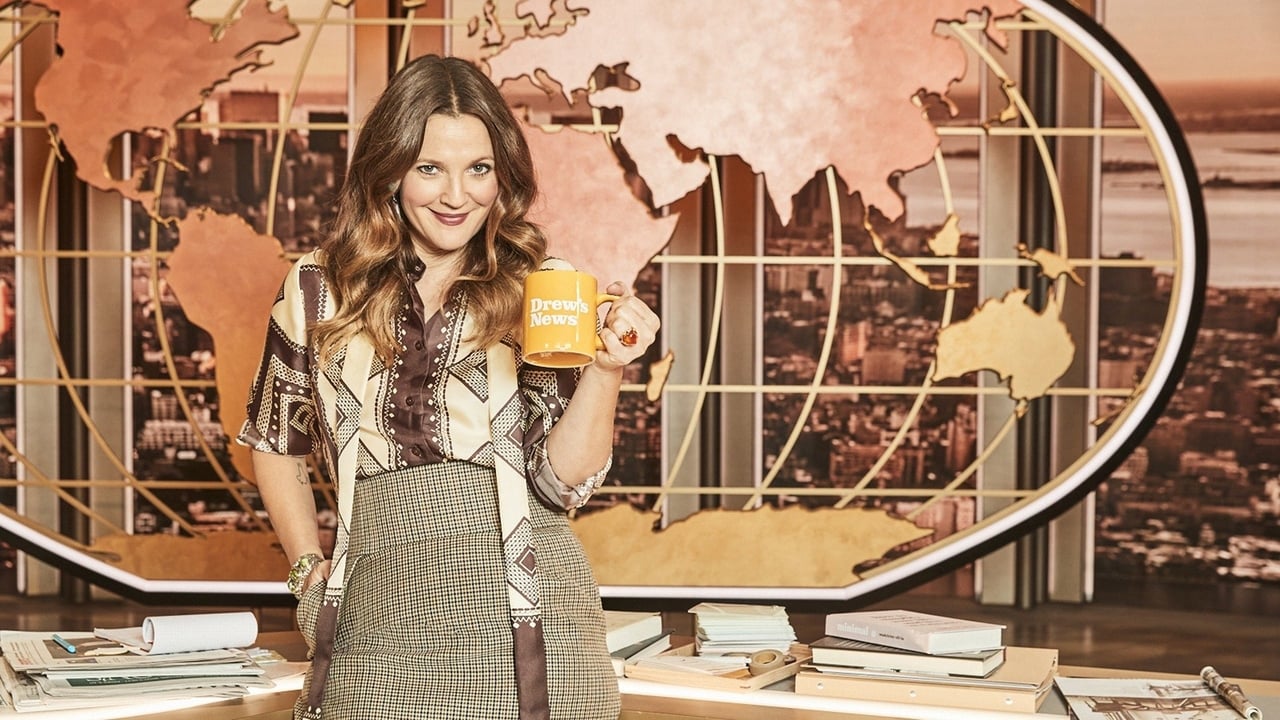
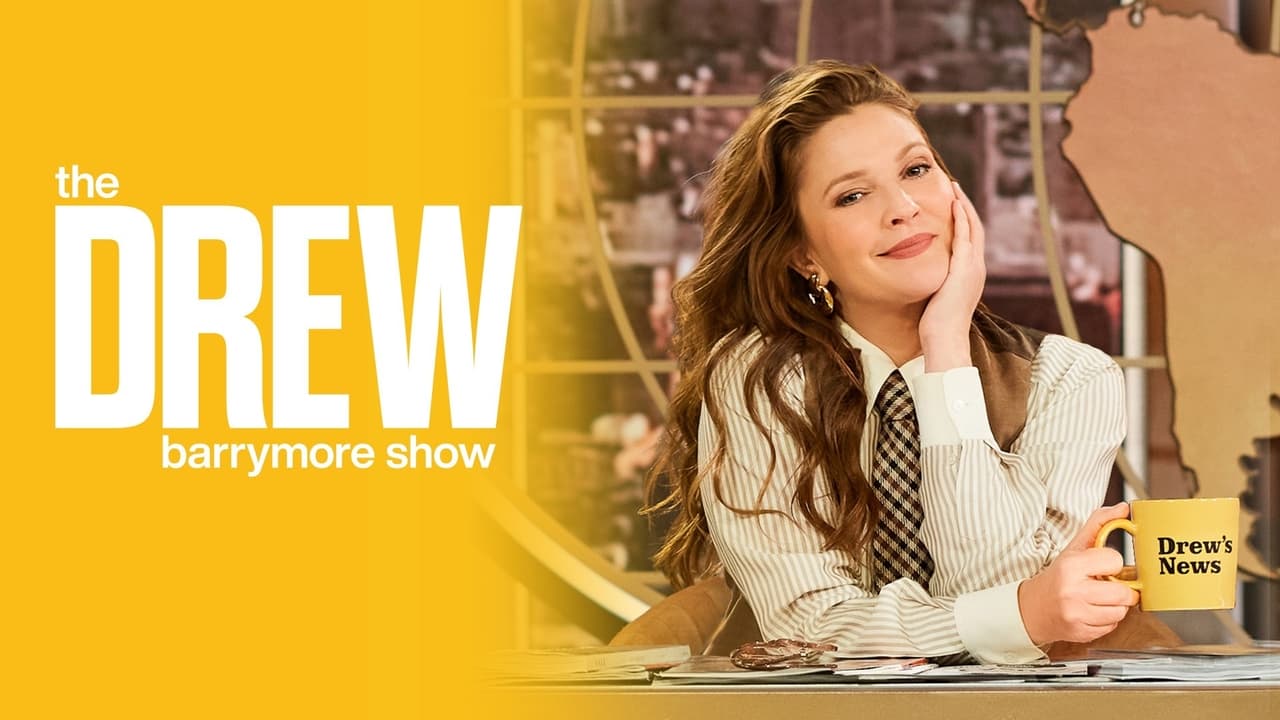
- The Format: The "Drew's News" segments are the most accessible part for younger viewers. They’re quick, light, and don’t require knowing who a 90s rom-com star is.
- The Stakes: There are none. This is low-stakes, high-emotion television. It’s the perfect thing to have on fuboTV while you’re folding laundry or making school lunches.
The Mom-TV Reality
Let’s be real: your kids aren't going to seek this out. It’s aspirational chaos for adults. However, it functions as a solid "neutral ground" show. Unlike the drama-heavy talk shows of the past that relied on conflict and "gotcha" moments, this show is built entirely on support.
If your kid happens to be in the room, the most interesting thing to discuss isn't the celebrity guest, but the host's intensity. It’s a great jumping-off point for talking about personal space and how different people express empathy. Just don't expect them to sit through the lifestyle tips or the deep-dive interviews with Drew's former co-stars. It’s safe, it’s sweet, and it’s occasionally very weird, which is exactly why it has carved out a niche in a crowded daytime market.