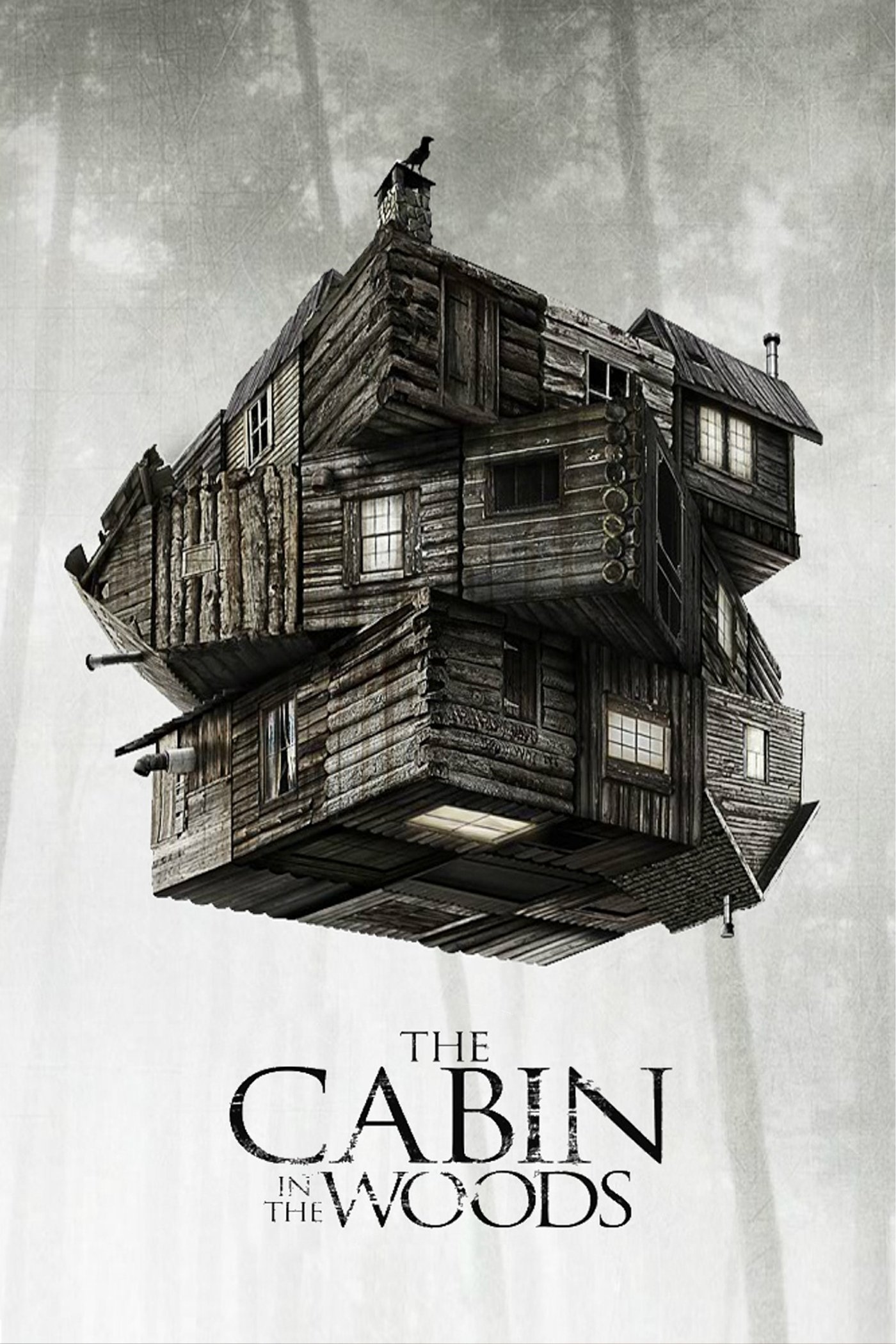
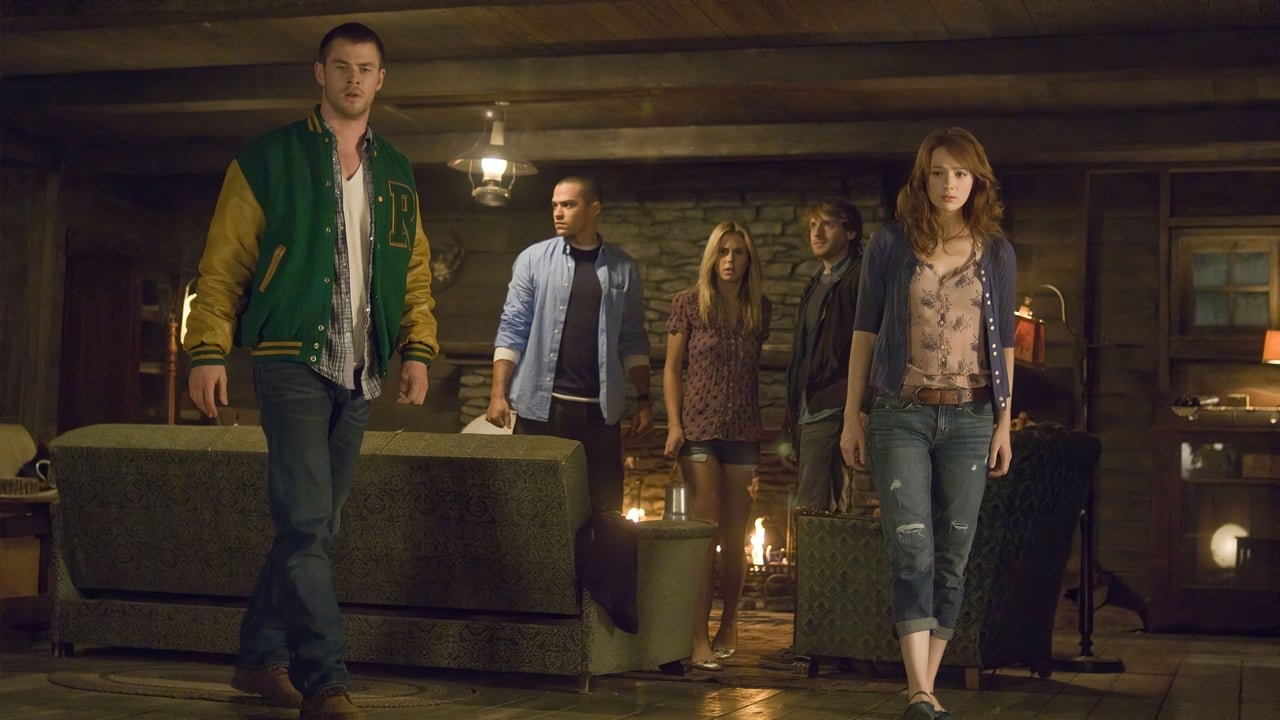
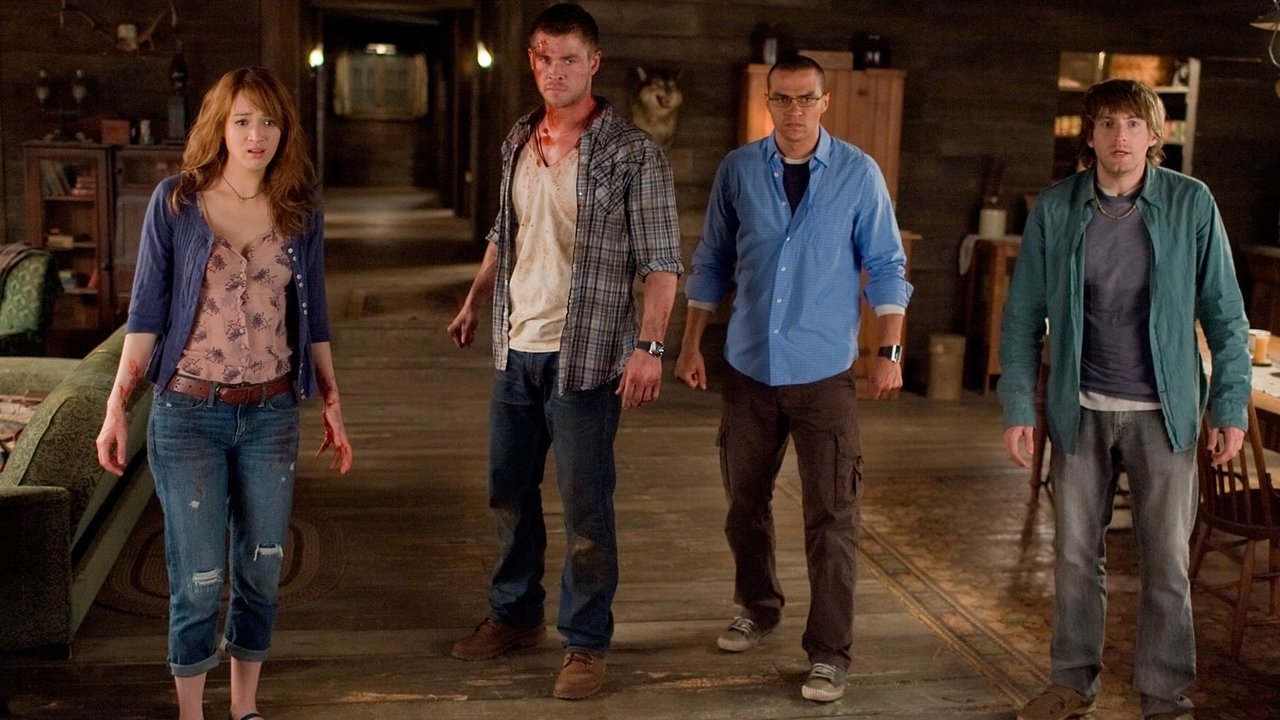
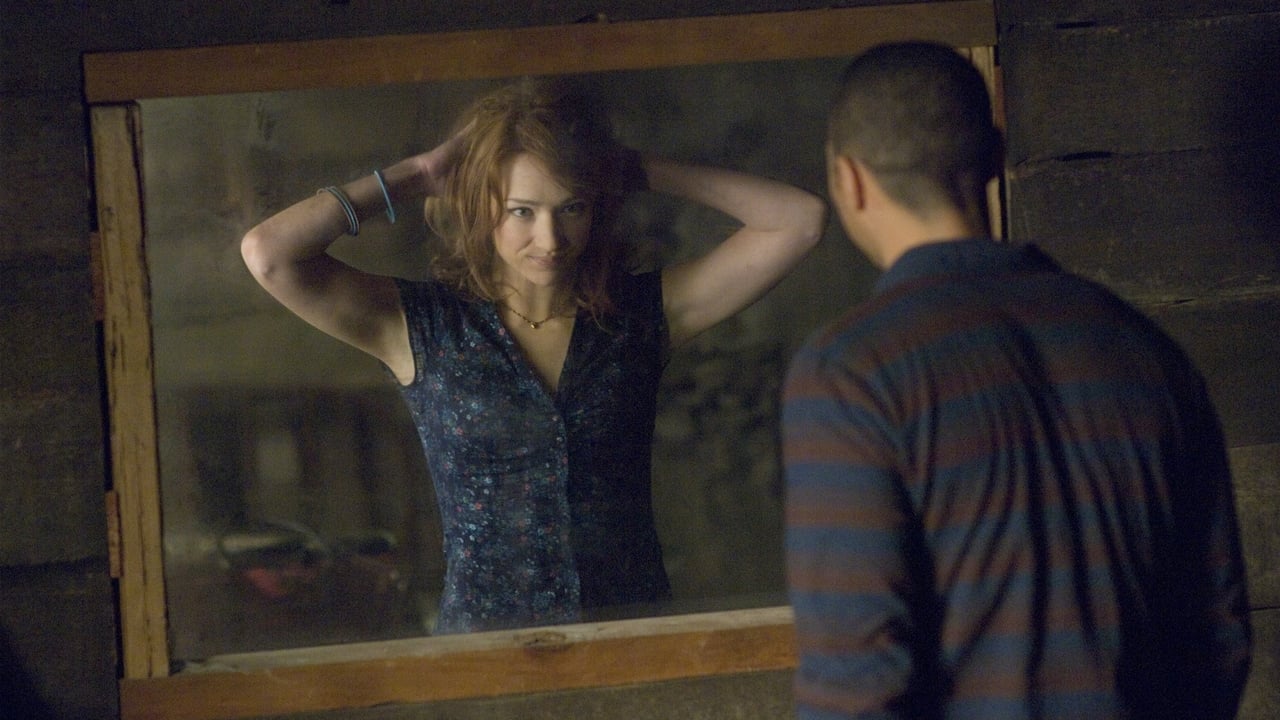
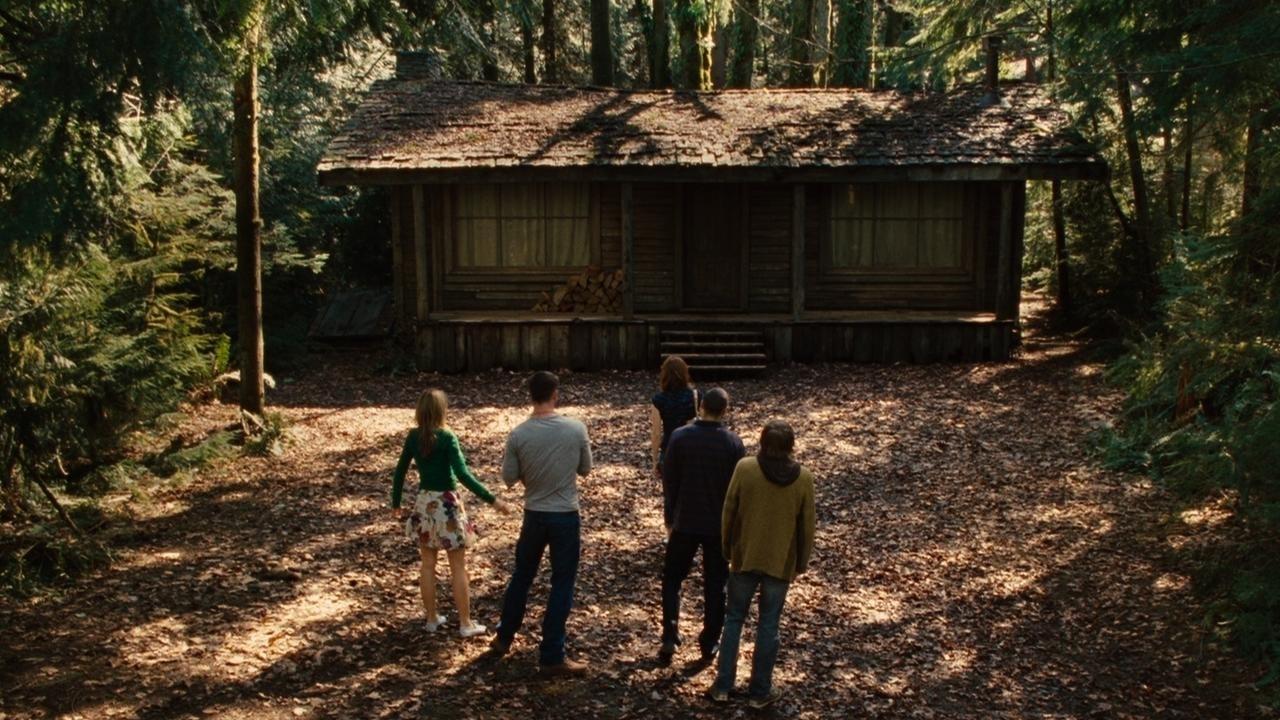
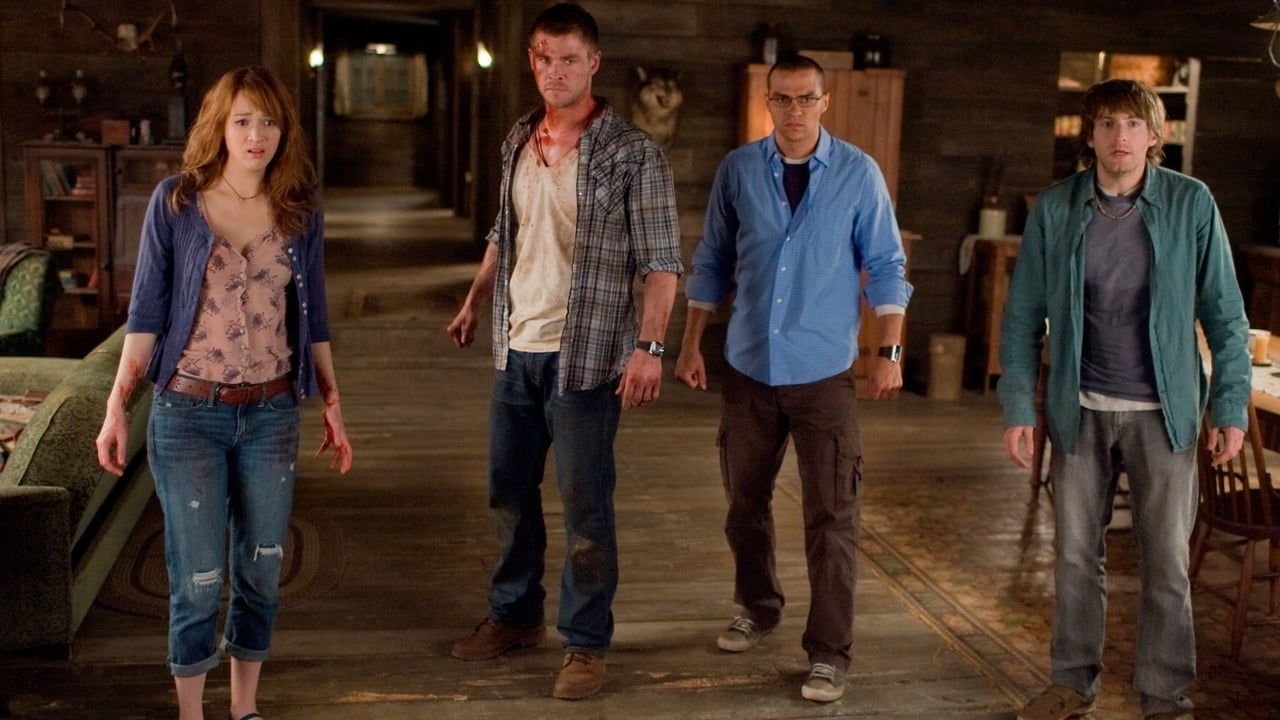
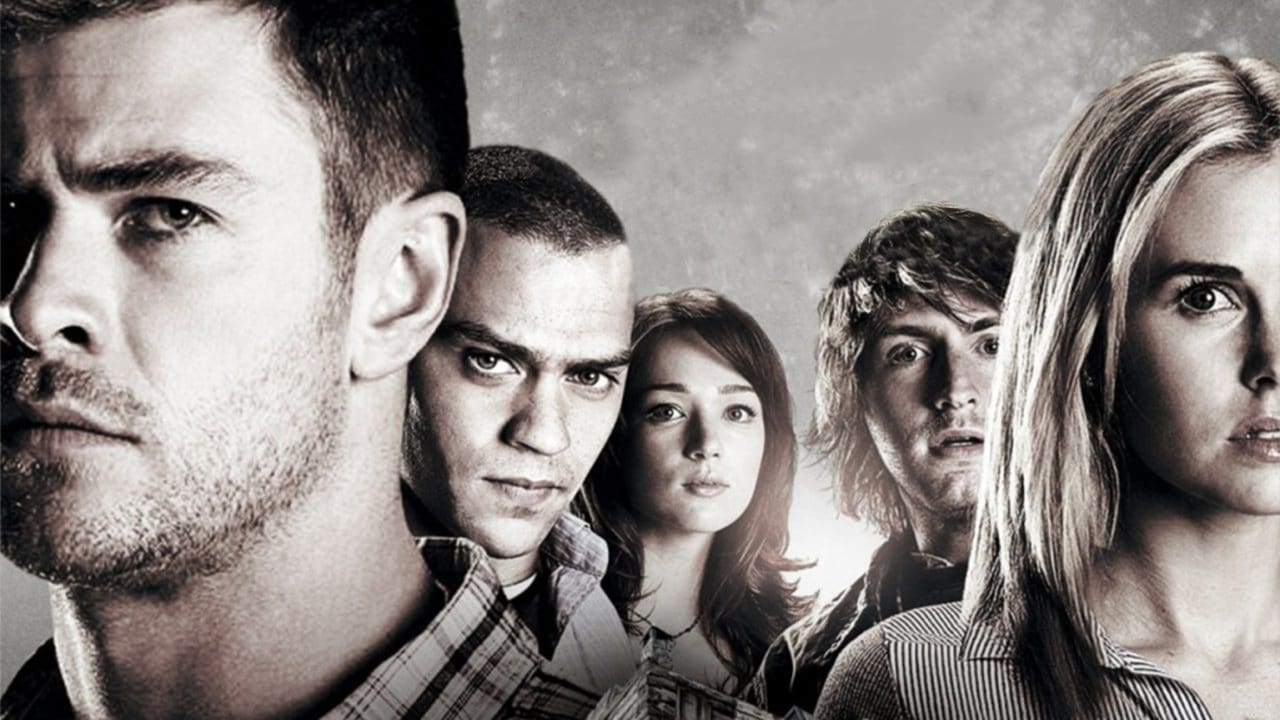
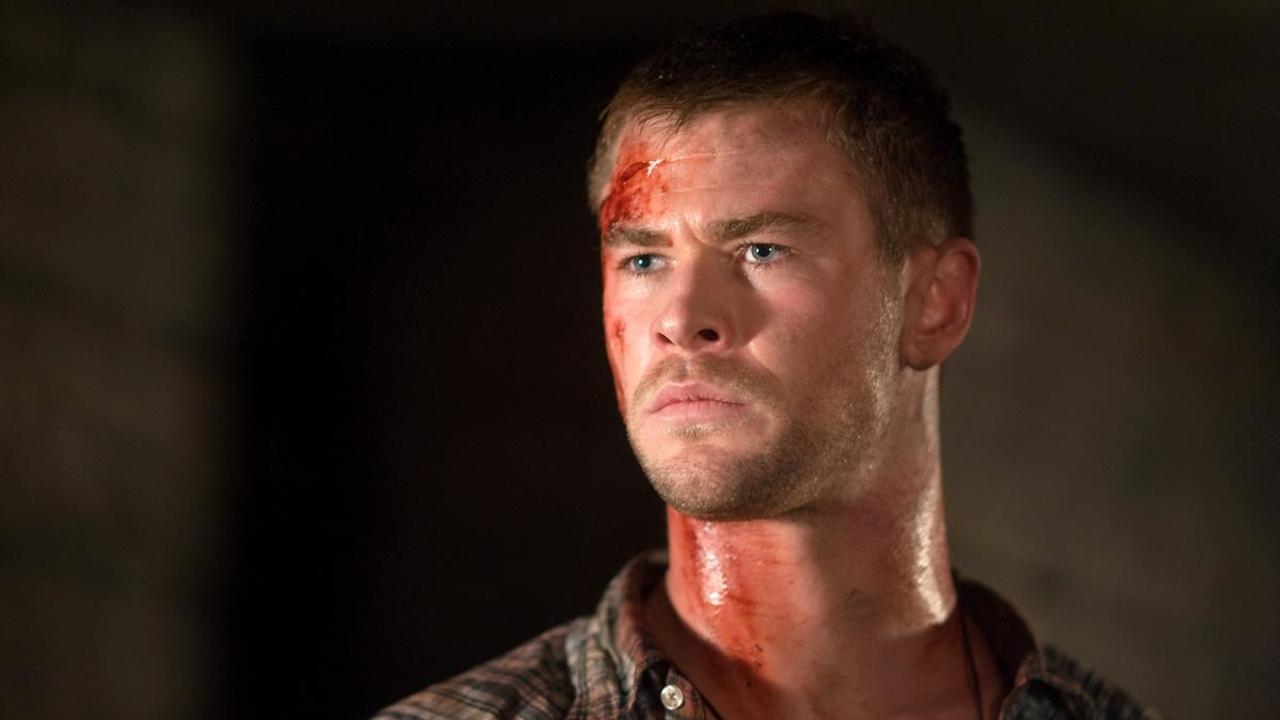
While most horror movies try to invent a new monster to haunt your dreams, this film explains why every monster you’ve ever seen exists in the first place. It functions as a dissection of the genre's DNA. If your teen has already worked through the Scream franchise and thinks they have slasher logic figured out, this is the logical graduation step. It takes every "why would they do that?" moment from 80s horror and provides a cold, calculated reason for the stupidity.
The bureaucracy of evil
The most striking thing about this movie isn't the cabin or the woods. It’s the contrast between the life-and-death struggle of the teenagers and the mundane office environment of the people watching them. Half the movie feels like a workplace comedy, complete with coffee breaks, betting pools, and technical glitches. This isn't just a stylistic choice; it’s a direct mirror of the audience.
The "white-collar" villains are essentially us—the viewers—demanding specific rituals and tropes before we’re satisfied. Critics at Rotten Tomatoes gave it a 92% largely because it manages to be a terrifying movie while simultaneously making fun of you for wanting to see a terrifying movie. It’s a meta-narrative that actually has something to say rather than just being a collection of Easter eggs.
The "Scream" comparison
If Scream was about characters who had seen horror movies, The Cabin in the Woods is about the "rules" themselves being a physical, inescapable force. It’s significantly more cynical than your average slasher. In a standard horror flick, if the protagonist is smart enough, they might survive. Here, the system is designed to punish intelligence.
This makes for a great watch with older teens who are starting to notice the "seams" in how media is constructed. It’s a film that rewards attention to detail. You’ll want to pause during the "betting board" scene just to see the names of the different creatures the staff is rooting for.
Why it still hits in 2026
Even though this was released in 2012, the satire hasn't lost its edge because the industry is still leaning on the same tropes. We are still getting reboots of the same franchises and the same "group of friends in a remote location" setups. Seeing the machinery behind those clichés makes it impossible to look at a standard horror movie the same way again.
The 72 score on Metacritic reflects a rare consensus: it’s a smart movie that doesn't sacrifice its "fun" factor to prove how clever it is. Just be ready for the tonal shift in the final thirty minutes. It transitions from a tight, suspenseful thriller into a chaotic, maximalist spectacle that doesn't hold back on the practical effects or the gore. If you’re watching with someone who prefers psychological tension over "monsters in your face," the ending might be a bit of a system shock.