The 1984 PG Rating Trap
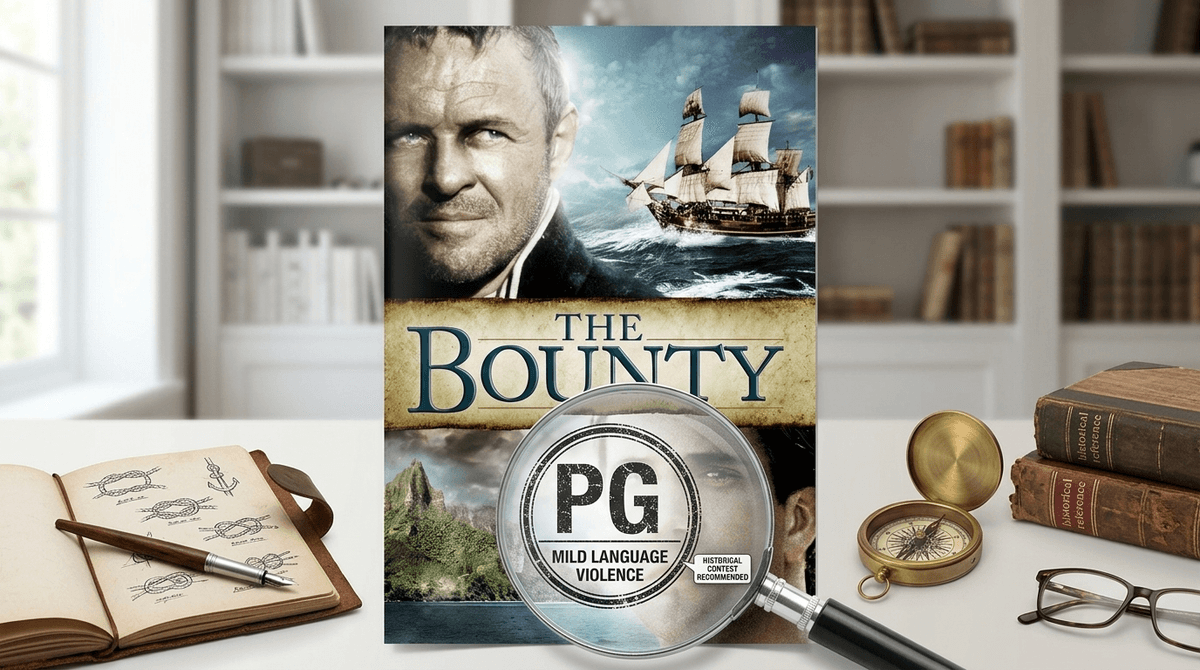
If you see a PG rating on a movie from the mid-80s, your parental intuition should immediately start tingling. This was the era just before and during the birth of the PG-13, and The Bounty is a prime example of why the ratings board had to change their math. In 1984, "nudity" often got a pass if it was framed as "cultural" or "anthropological," which is how this movie manages to feature constant toplessness while maintaining a rating that suggests it's as safe as Frozen.
It isn't. This is a movie that manages to be both a high-brow historical drama and a voyeuristic island fantasy. It’s worth reading our deeper look at why this PG-rated classic is a family movie night trap before you commit to a viewing with younger teens. The "PG" on the box is doing a lot of heavy lifting for content that would be a hard PG-13 or even an R by today’s standards.
A Masterclass in Passive-Aggressive Leadership
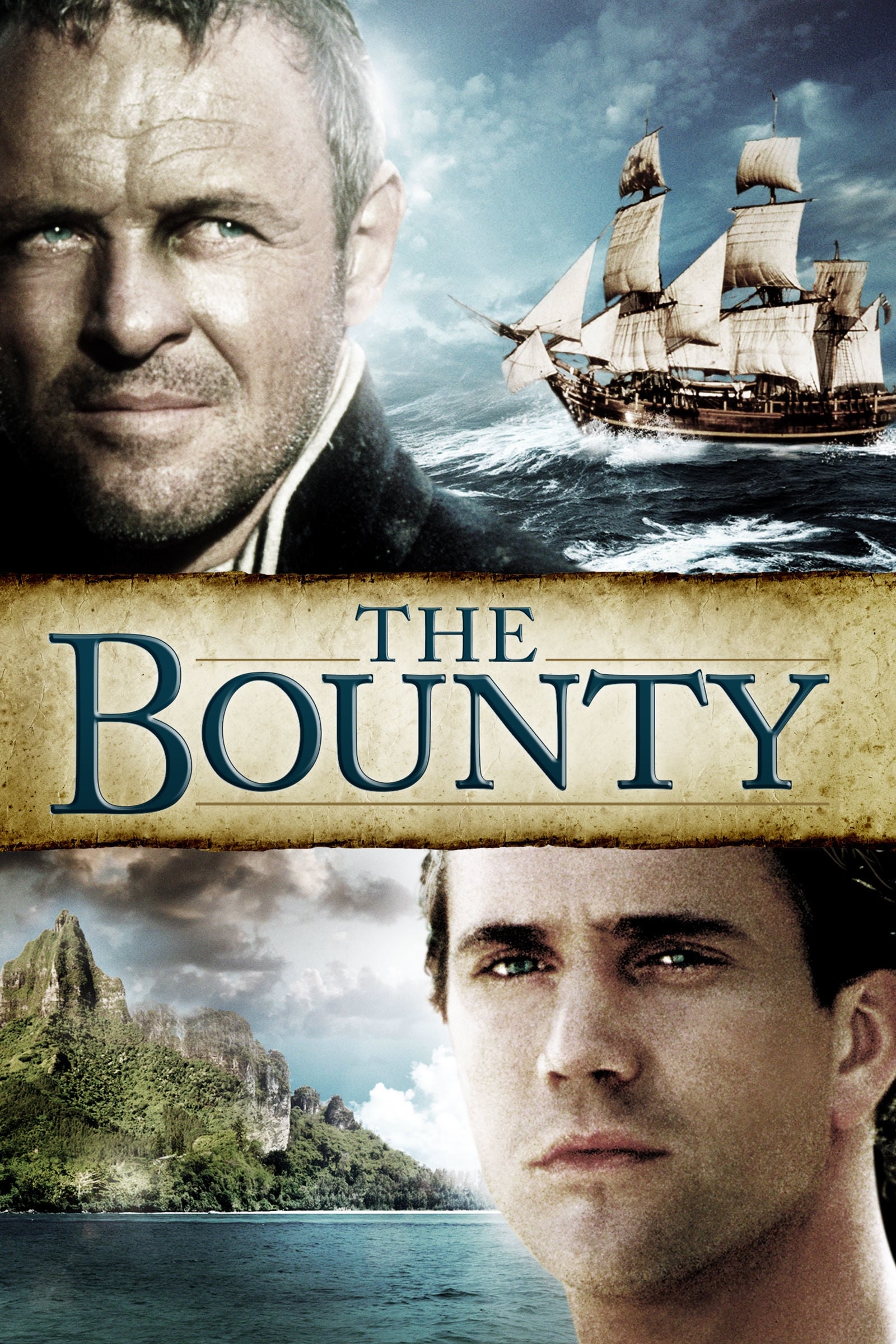
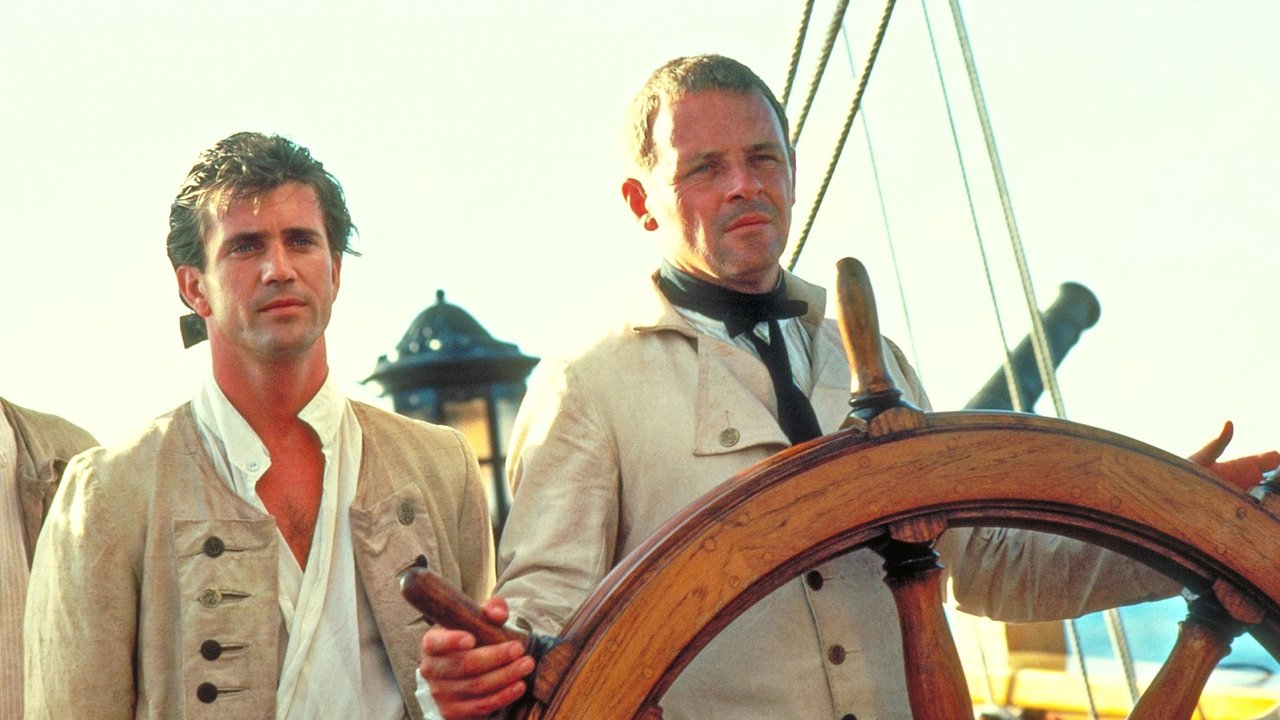
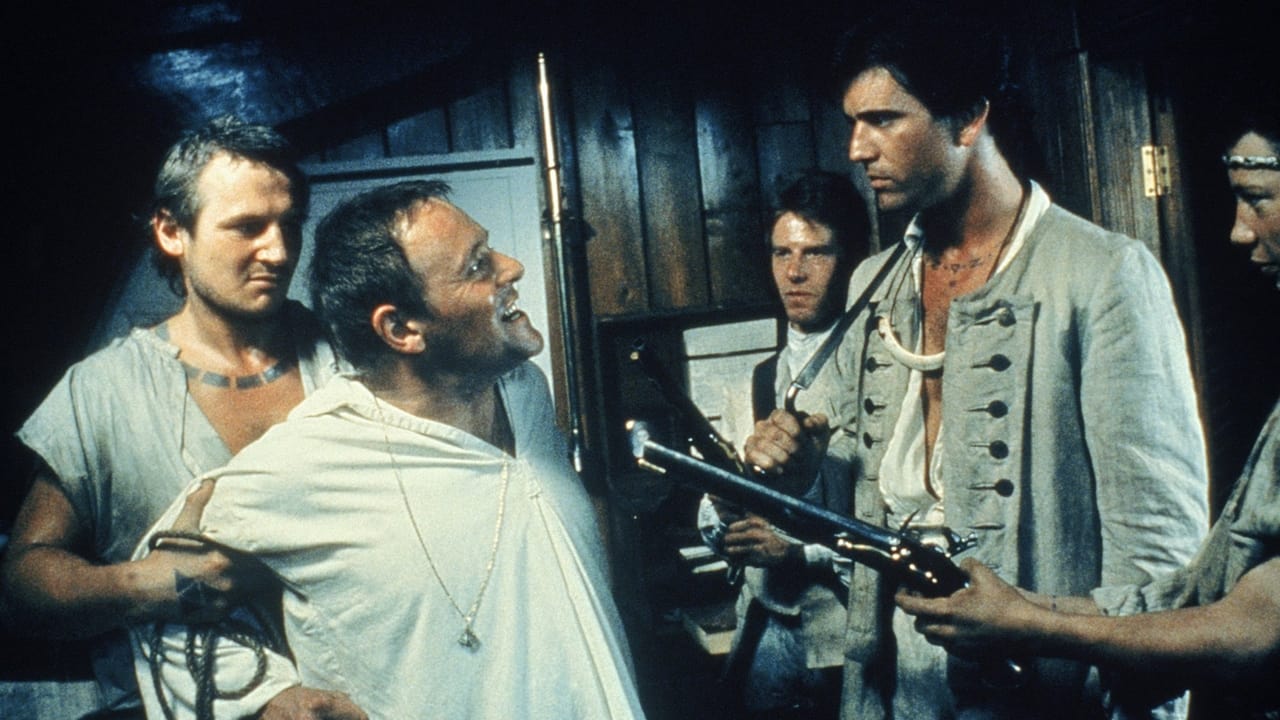
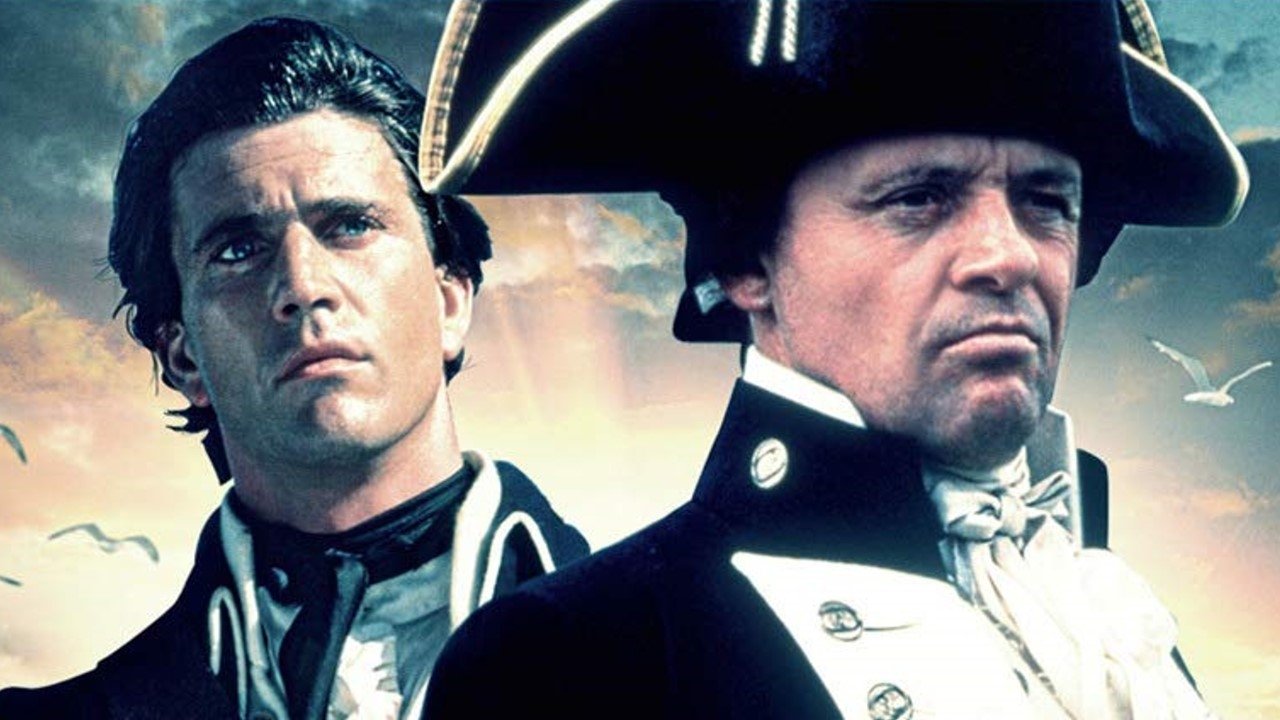
The real reason to watch this isn't the boat—it's the psychological warfare between Anthony Hopkins and Mel Gibson. Most versions of this story turn Captain Bligh into a mustache-twirling villain. Here, Hopkins plays him as a man obsessed with his logbook and his schedule. He’s the ultimate micromanager at sea. He isn't necessarily evil; he's just a bureaucrat who is completely out of his depth when faced with a crew that has tasted freedom.
If your teen is into character studies or stories about leadership dynamics, this is actually a fascinating watch. The tension doesn't come from big explosions; it comes from the quiet, simmering resentment of men stuck on a wooden tub for months. It’s a "naval office drama" that eventually turns into a tropical vacation gone wrong.
The Pacing Problem
We need to talk about the "1984 speed" of this film. By modern standards, the pacing is punishing. If your kid is used to the kinetic energy of modern historical epics or even the stylized violence of something like The Untouchables, they are likely to check out during the first hour.
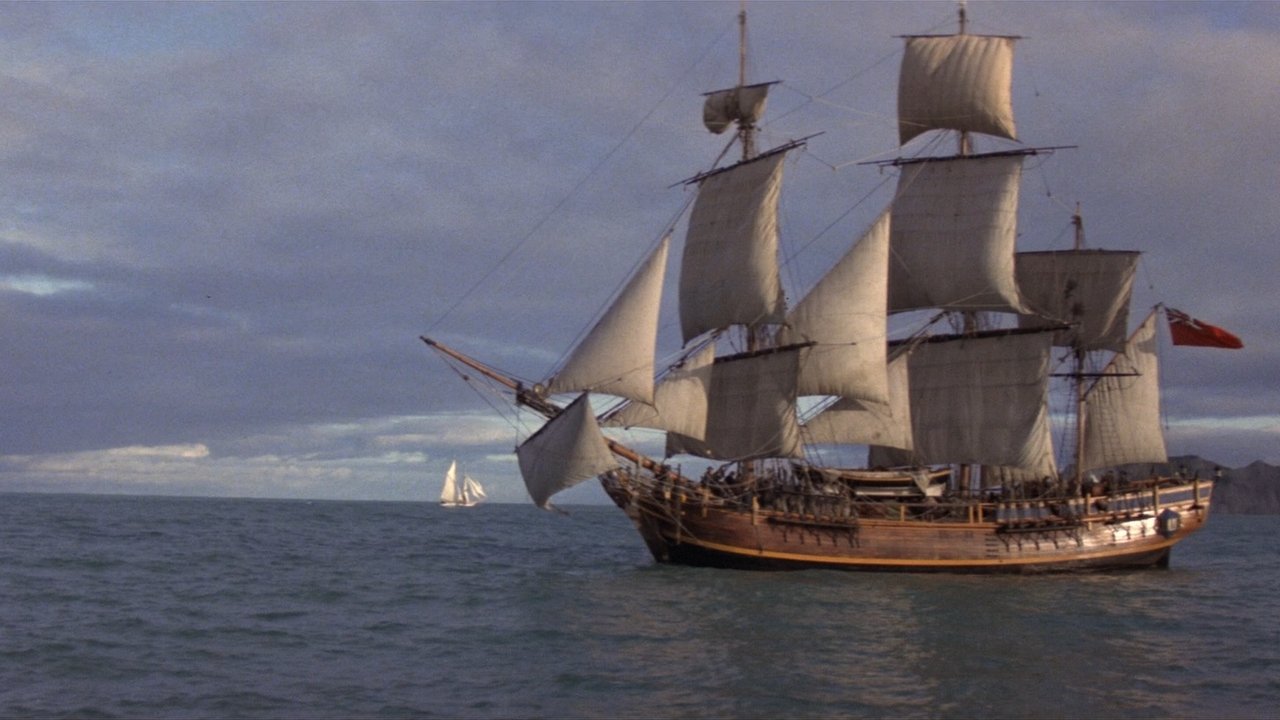
The movie takes its time establishing the monotony of life at sea. It wants you to feel the salt and the boredom so that when they finally reach Tahiti, the "paradise" feels earned. For a patient viewer, that works. For a kid used to TikTok-length dopamine hits, it’s going to feel like a chore.
The Colonial Lens
While the film tries to be more "accurate" than previous versions of the mutiny story, it is still very much a product of its time. The indigenous Tahitians are treated mostly as a backdrop for the white sailors' internal struggles. The camera lingers on the islanders in a way that feels voyeuristic rather than respectful.
If you do watch this with an older teen, use it as a jumping-off point to talk about how history is filmed. Roger Ebert’s original review pointed out that the movie is more about the "clash of two different ways of life" than just a simple mutiny. You can see the British discipline crumbling the moment it touches the Tahitian shore. It’s a great example of how "civilization" is often just a thin veneer that disappears the moment the weather gets warm and the rules stop making sense.