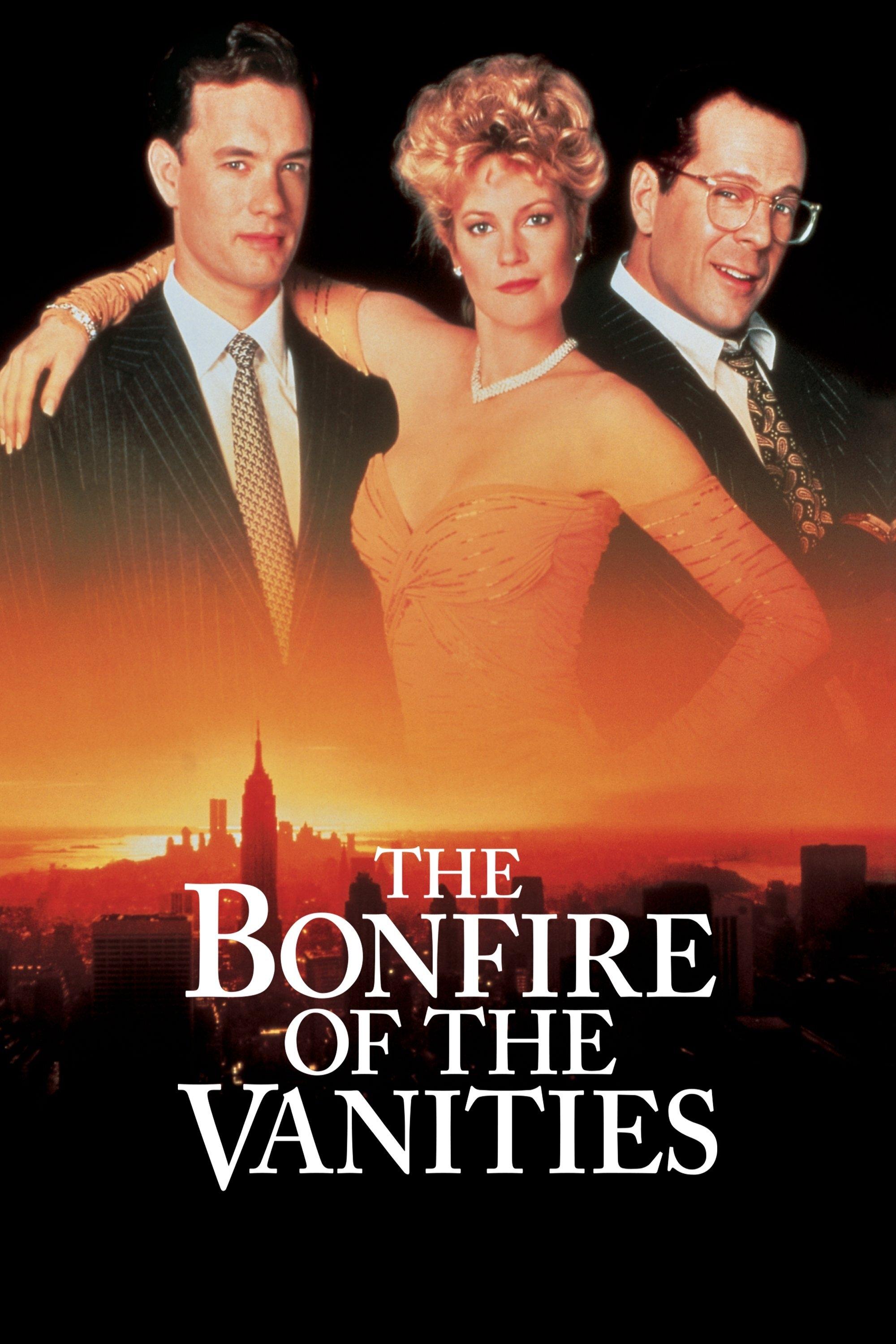
A textbook case of cinematic friction
You’ve likely heard of movies that are so bad they’re good. The Bonfire of the Vanities isn't one of them. It is a fascinating, high-budget car crash that managed to fail in almost every direction at once. When you look at the 15% score from critics and the equally dismal 27% from audiences, you’re seeing a rare moment of total cultural agreement: this movie is a mess.
The friction starts with the tone. The source material was a razor-sharp, mean-spirited satire of 1980s New York. The movie, however, tries to be a broad, slapstick comedy one minute and a preachy courtroom drama the next. It’s like watching a stand-up comedian try to deliver a eulogy while slipping on banana peels. If you’re watching this with a teenager who has a high tolerance for cringe, the main draw isn't the story—it’s the sheer awkwardness of seeing a massive studio production lose its way.
The "Nice Guy" problem
The biggest hurdle for anyone watching this today is the casting of Tom Hanks. We know him as the most likable man in Hollywood. In 1990, the filmmakers clearly couldn't wrap their heads around making him the unredeemable jerk the story requires. Instead of a greedy Wall Street shark who gets what’s coming to him, we get a confused guy who seems like he just needs a hug and a better lawyer.
This choice guts the entire point of the narrative. If you can’t believe the main character is a high-flying elitist, the stakes of his downfall don't matter. It turns a story about systemic corruption into a weirdly personal tale about a guy having a really bad week. If you’re looking for that specific "greed is good" era energy, you’re better off finding a different time capsule.
The 1990s time capsule
If there is a reason to hit play on one of the free streaming services like YouTube or Plex, it’s for the aesthetic. This is New York City right at the turn of the decade—gritty, garish, and obsessed with status. The cinematography uses these wild, distorted angles that make everyone look like they’re trapped in a funhouse mirror.
It’s a specific look that you don’t see much anymore. For a media-savvy student, it’s a great example of how a director can use a camera to try (and fail) to create a sense of chaos. The movie is loud, the sets are huge, and the costumes are peak 80s-meets-90s excess.
How to use this movie
Don't sit down for a family movie night expecting to be entertained. Instead, treat this as a curiosity. If you have a kid interested in film school or writing, watch the first twenty minutes and then talk about why it feels "off."
- Compare it to modern shows about the ultra-wealthy. Shows like Succession succeed because they aren't afraid to let their characters be terrible people. This movie is terrified of that.
- Look at the "reporter" character. It’s a cynical, ugly portrayal of the media that actually feels more relevant now than it did thirty years ago.
Ultimately, this is a movie for people who want to see what happens when a lot of money and a lot of talent produce absolutely nothing. It’s a 125-minute lesson in how not to adapt a book.