The Blueprint for the Grown-Up Ensemble
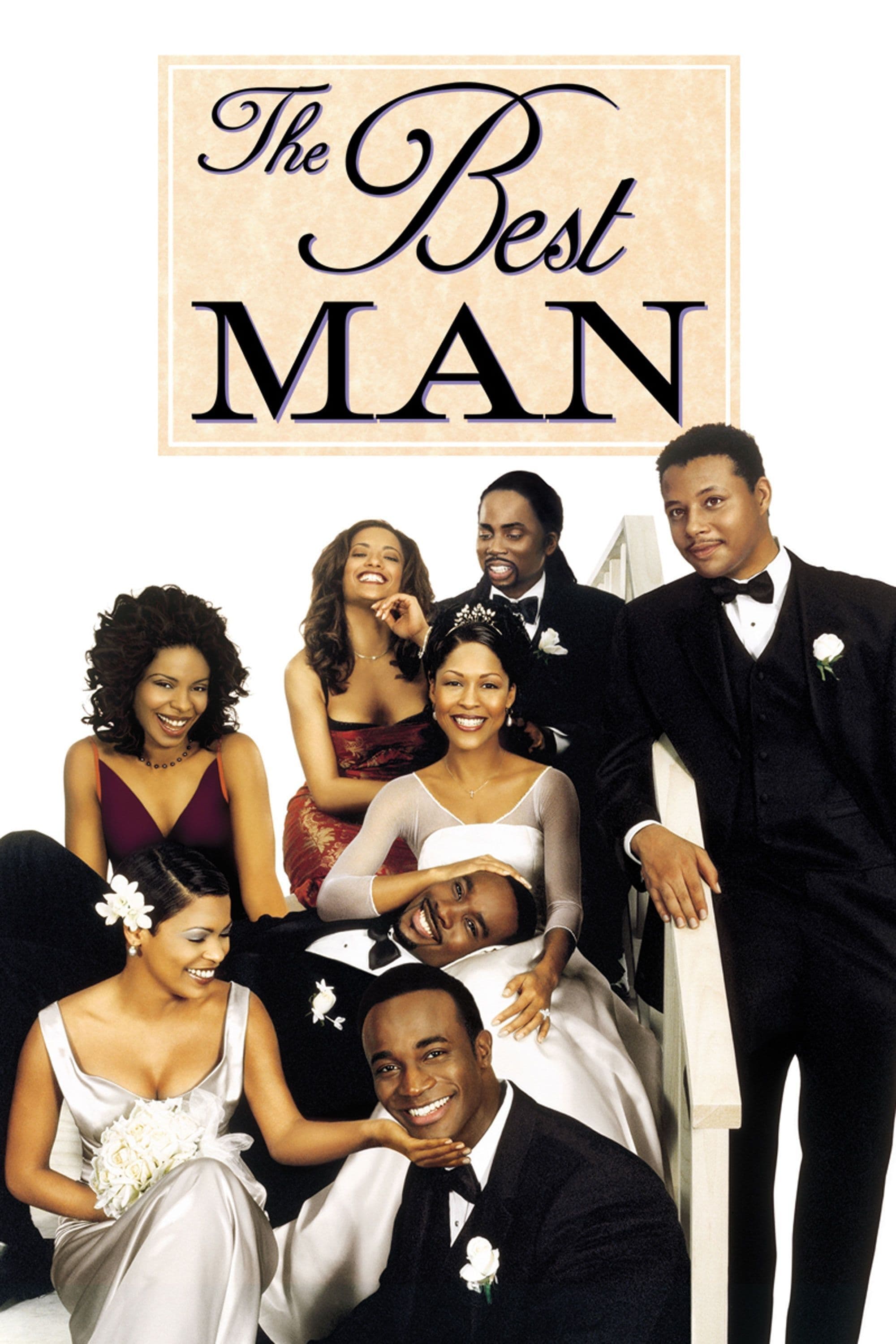
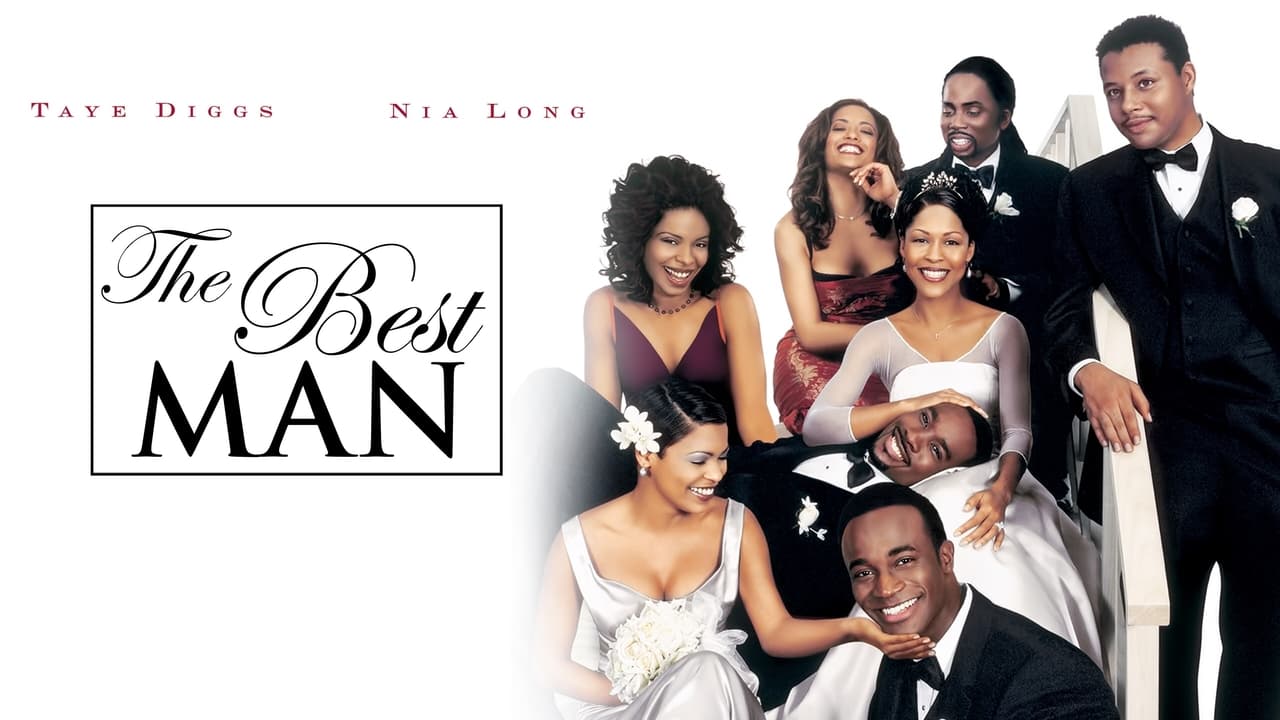
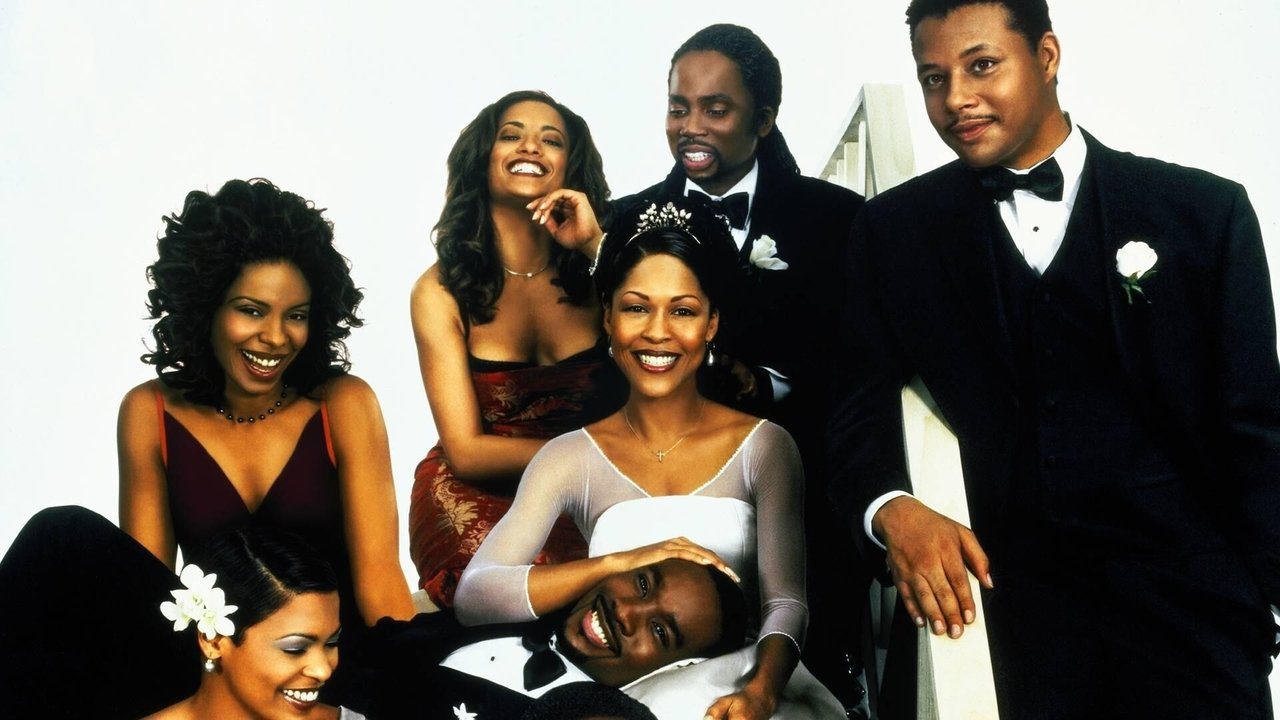
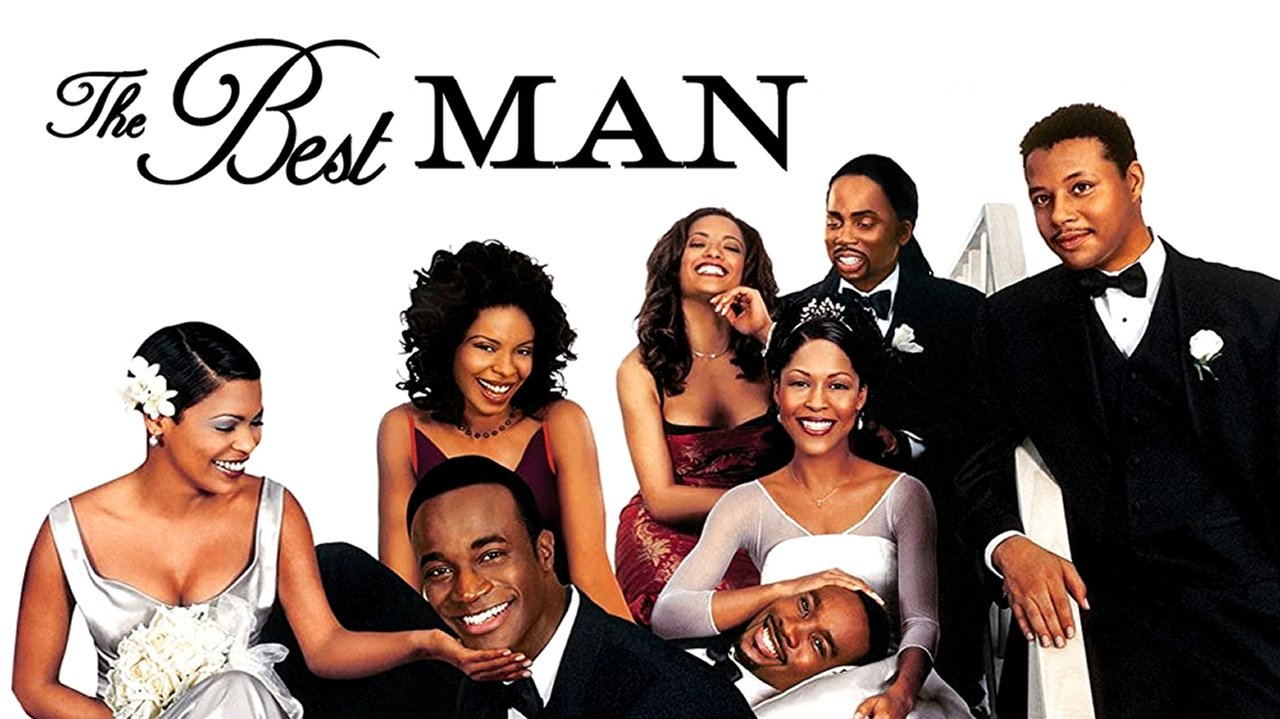
If you’re looking for the exact moment the "college friends reunite for a wedding" subgenre hit its stride, this is it. While the late '90s were flooded with teen slashers and high-school rom-coms, this movie was interested in what happens when you’re thirty, successful, and still carrying the same petty baggage you had at twenty.
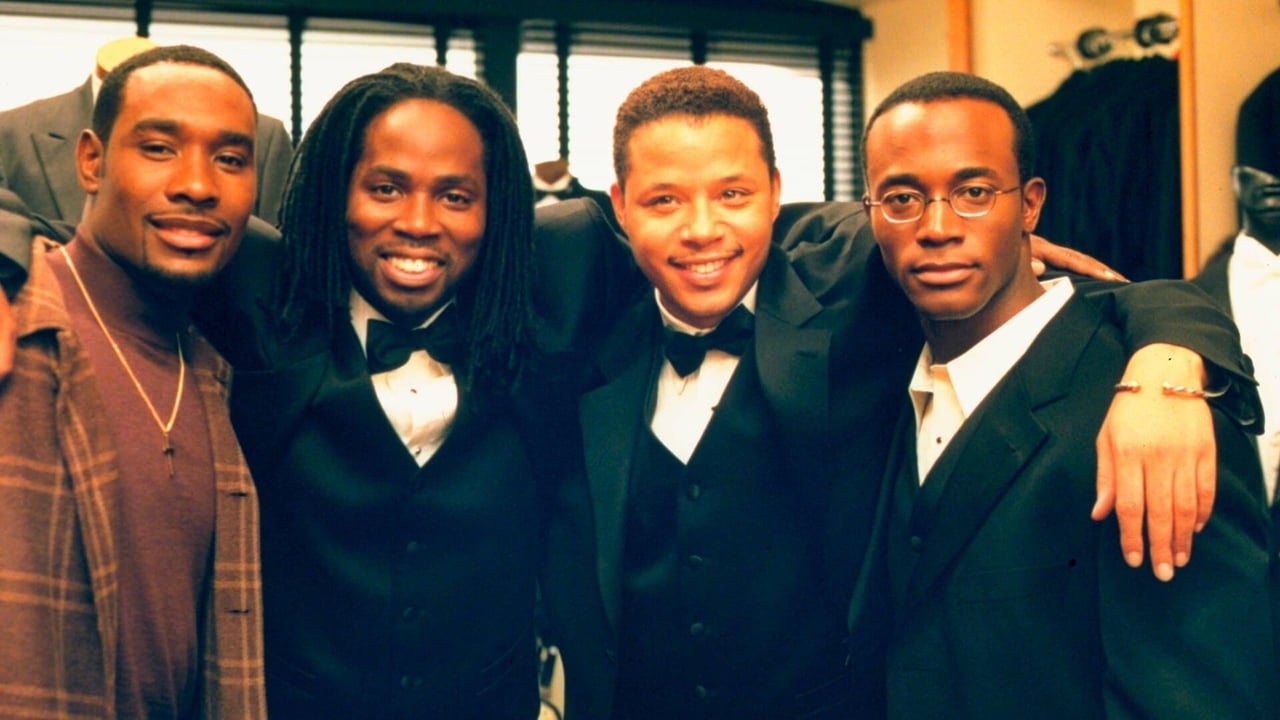
It works because it treats friendship like a contact sport. The central conflict—a writer basing his "fictional" characters on his real-life friends—is a classic setup for disaster. We’ve all had that one friend who shares too much or the one who can’t let go of a grudge. Watching Harper navigate the fallout of his own ego while trying to be the "best man" for Lance provides a specific kind of tension that actually holds up. It’s not just about who’s sleeping with whom; it’s about the integrity of the group and whether these people actually like each other or if they’re just bonded by history.
The "Room Temperature" Warning
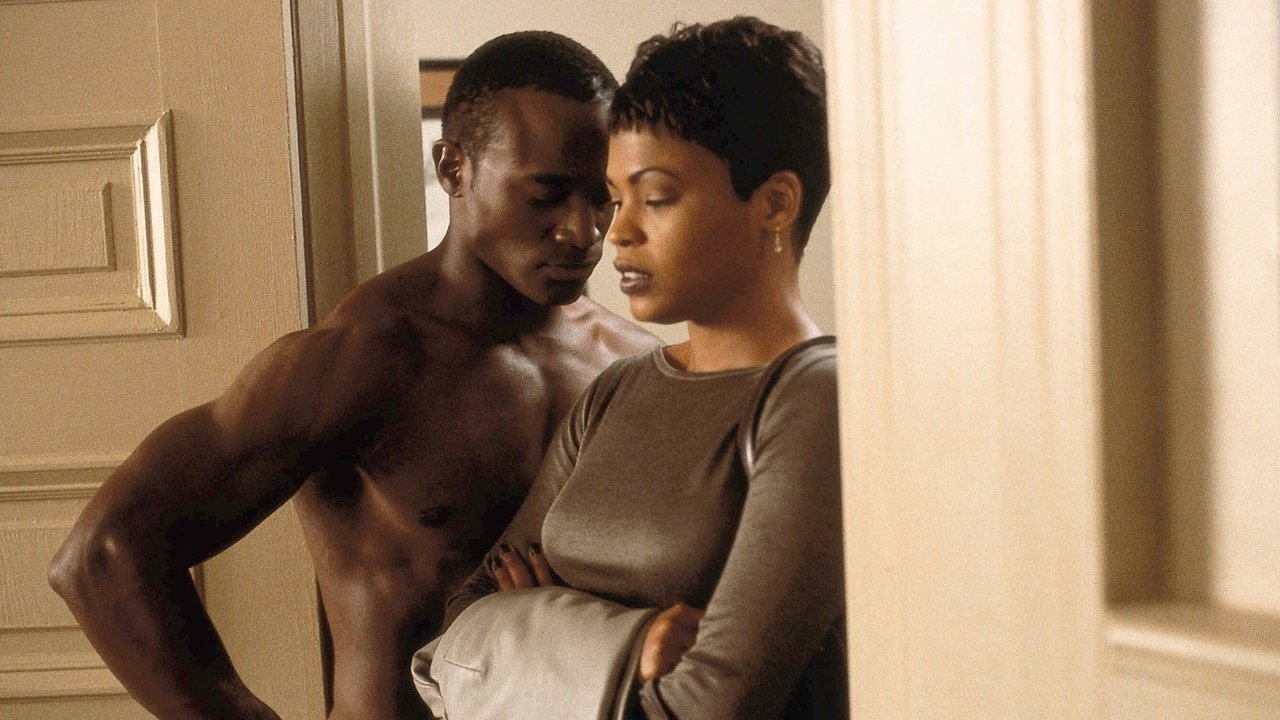
You need to know exactly what the "R" rating means here. This isn't a movie with a few stray curses. It’s a movie that leans heavily into the "saucy" nature of its source material. The sex scenes are unfiltered for a mainstream studio movie of that era. They aren't just quick cutaways; they are choreographed, extended, and meant to be provocative.
If you’re watching this with a sixteen-year-old, prepare for some intense awkwardness. The movie treats sex as a primary driver of the plot—the secrets being revealed aren't about stolen money or hidden pasts; they’re about physical betrayals. It’s handled with a level of maturity that fits the characters, but it’s definitely not "family movie night" material. It’s the kind of film you watch when you want to see adults acting like messy, complicated, and occasionally selfish adults.
A Time Capsule of Black Excellence
Beyond the drama, there’s a reason this film has such high audience scores (86% on Rotten Tomatoes). It was a pivotal moment for seeing a specific version of Black life on screen—doctors, lawyers, and authors who were allowed to be flawed without carrying the weight of a "social issues" movie.
The aesthetics are pure 1999. The fashion, the lack of smartphones, and the way the characters communicate feel like a relic of a simpler time, but the emotional stakes haven't aged a day. If your teen is interested in writing, media, or the ethics of "telling your truth" at the expense of others, the movie offers a great jumping-off point. Just be ready to hit the fast-forward button if the "saucy" scenes get a little too vivid for the living room.
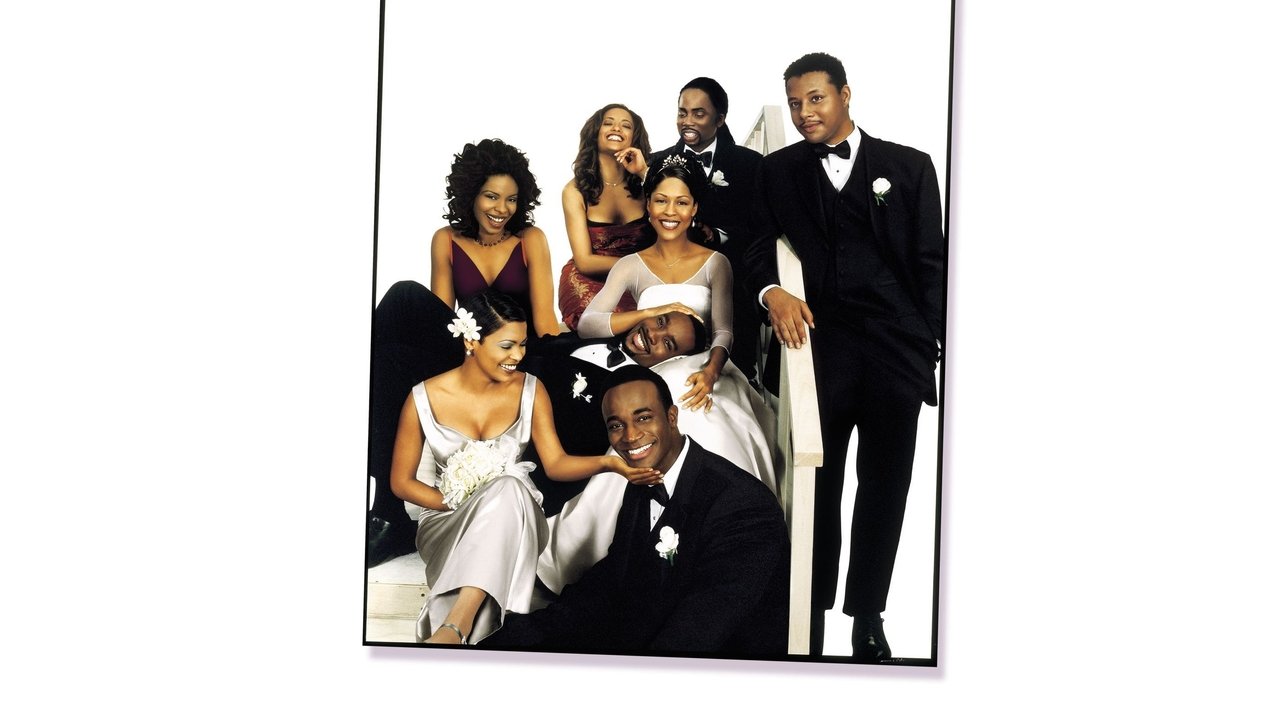
It’s a character study wrapped in a wedding party, and while the pacing might feel leisurely compared to today’s thrillers, the payoff is in the chemistry of the ensemble. They feel like a real group of friends, which makes the inevitable blowups feel earned rather than scripted.