The "Oversized" appeal
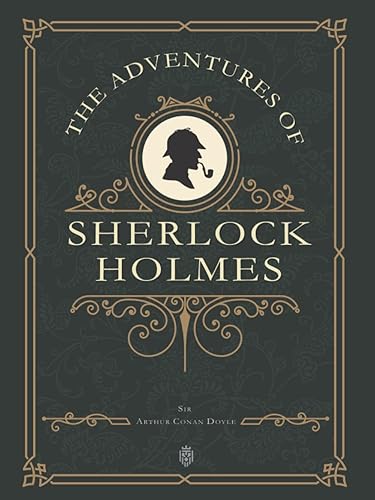
If you’re looking at the 2022 edition specifically, you’re likely leaning into the tactile experience. For a kid raised on high-refresh-rate screens, a standard mass-market paperback can feel disposable and, frankly, boring. This oversized version turns the reading experience into an event. It feels like an artifact from Watson’s desk. When the language gets dense—and it will—having a physical object that feels "important" helps keep a middle-schooler engaged. It’s the difference between reading a PDF and holding a map.
The logic-puzzle hook
Most modern "mysteries" for kids rely on high-stakes action or secret powers. Holmes is different because he wins through observation. This is the ultimate "show, don't tell" exercise. If your kid grew up on Encyclopedia Brown and the Case of the Curious Reader, this is the natural graduation.
The stories aren't just about catching a bad guy; they’re about the flex of being the smartest person in the room. In "The Adventure of the Speckled Band"—which Doyle himself considered his best work—the solution isn't a chase scene. It’s a quiet, tense realization about a ventilator and a bell-rope. That kind of "brain-over-brawn" victory is incredibly satisfying for kids who pride themselves on being sharp.
Navigating the Victorian friction
Let’s be real: Arthur Conan Doyle wasn't writing for 21st-century middle-schoolers. You will hit some speed bumps. The vocabulary is unapologetically 19th-century, and the pacing reflects a world that moved at the speed of a horse-drawn carriage. If your kid finds the transition from TikTok-style pacing to Victorian prose jarring, check out our guide on Dickens for Digital Natives: Navigating Victorian Classics with Modern Kids for tips on how to bridge that gap without it feeling like homework.
There’s also the "Sherlock at home" problem. The book mentions his "drug problem" (opium and cocaine use were viewed differently in 1892) and some very dated views on "the East" or social hierarchy.
"I was simply shocked to discover that Sherlock actually did have a drug problem! That part was not made up!" — Reader review via Plugged In
Don't panic or censor it. These moments are brief and serve as a perfect reality check for how much the world has changed. Use them as a "Wait, did they really think that back then?" conversation starter rather than a reason to put the book away.
Why it sticks
The reason these stories have a 4.4 rating on Amazon over a century later is that they aren't just puzzles; they’re atmospherics. The fog, the hansom cabs, and the weirdly specific problems (like a secret society for red-headed men) create a world that feels complete.
If you have a kid who likes to "solve" movies before the ending, give them this. It’s the original source code for every "genius detective" trope they’ve ever seen. Just be prepared for them to start "deducing" why you’re tired based on the way you’re holding your coffee mug.