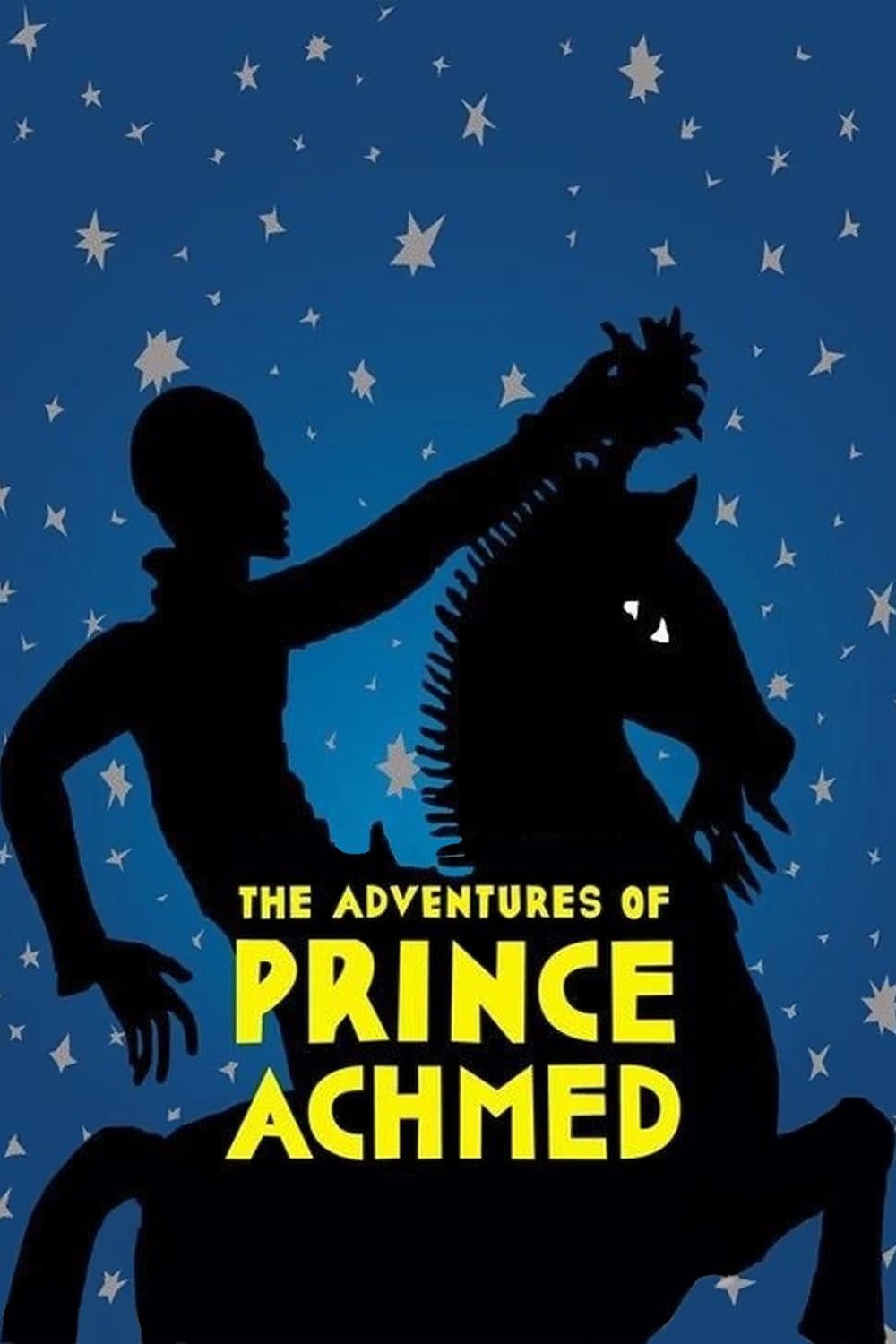
The ultimate "how it's made" movie
Most animation today is a race for the most realistic hair physics or the loudest celebrity voice cast. This film is the opposite. It is essentially a high-end shadow puppet play caught on film. Even though it is a century old, the level of detail in the paper cut-outs is more impressive than most modern CGI because you can feel the physics of the hand-crafted work.
If your kid is the type to spend their weekend with a hot glue gun, or if they are obsessed with how stop-motion films like Coraline are built, this is their Citizen Kane. It’s a masterclass in how to create depth and emotion using nothing but silhouettes and light. It feels less like a "movie" in the modern sense and more like a discovery you’d find in a museum basement.
The "silent" friction
The biggest hurdle for a modern family isn't the black-and-white aesthetic (the film is actually tinted in various moody colors) or the age—it’s the silence. There is no dialogue. If your kids are used to the breakneck pace and constant quips of modern fantasy-television, the first ten minutes will be a massive lifestyle adjustment.
You have to read the title cards to know what is happening. If your child isn't a confident reader yet, you are going to be narrating the entire 60-minute runtime. However, if you treat it like a "living storybook" rather than a cinematic blockbuster, it works. The score does a lot of the heavy lifting, and the characters move with a fluidity that is shocking for 1926. It never feels like a slog because it clocks in at just over an hour.
Why it’s a "palette cleanser"
We talk a lot about "slow cinema," and this is the gold standard for kids. There are no jump cuts, no flashing lights, and no toy tie-ins. It is a meditative experience.
- The sorcery scenes: The battle between the sorcerer and the prince is genuinely creative. It uses transformation and shape-shifting in a way that feels more "magical" than a $200 million Marvel movie because your brain has to fill in the gaps.
- The "Orientalism" factor: It’s worth noting that this is a European take on The Arabian Nights from the 1920s. It’s a "fairytale" version of the Middle East that is very much of its time. It’s a good opening to talk about how different cultures used to imagine each other before the world was as connected as it is now.
If you have access to The Criterion Channel or Kanopy through your local library, this is a low-risk, high-reward experiment. Put it on a big screen, turn the lights off, and let the visuals do the talking. Even if they only stay for half of it, they’ll have seen something that looks unlike anything else in their digital diet.