The "Hear Me Out" pipeline
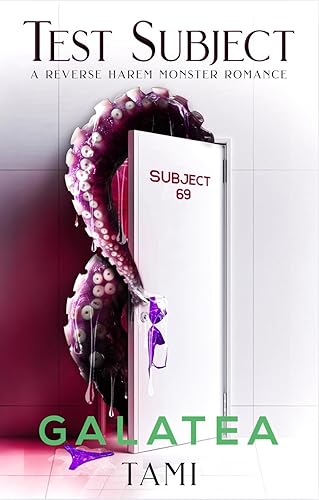
This book is the logical, albeit extreme, conclusion of a decade of internet monster-crushing. What started as memes about which cryptids or animated characters were "low-key hot" has evolved into a massive, lucrative publishing niche. Test Subject doesn't just flirt with the idea of supernatural attraction; it builds a literal laboratory around it. The "Reverse Harem" tag is the key here—it’s a specific trope where the protagonist doesn’t have to choose between love interests but keeps all of them. In this case, "all of them" refers to a rotating door of creatures that defy standard human anatomy.
If you’ve seen the "Hear Me Out" cake trend or people joking about the "hot" monster in a horror movie, this is the unfiltered version of that impulse. It’s written specifically for an audience that finds traditional romance novels boring and wants something that pushes the boundaries of physics and biology.
The gamification of reading
The most important thing to understand about Test Subject isn't just the "spiciness"—it’s the delivery mechanism. This isn't a book you buy once at a bookstore and own forever. It’s a product of Galatea, a platform that treats reading like a mobile game.
The story is broken into bite-sized chapters designed to end on cliffhangers. To keep reading, you either wait for a timer to countdown or spend "coins" (purchased with real money) to unlock the next segment. This micro-transaction model is incredibly effective at bypassing the "is this worth $20?" logic of buying a hardcover. Instead, it hooks the reader into spending $2 at a time, which can quickly add up to more than the cost of a premium novel. It’s a high-friction experience for your wallet, even if the reading itself is fast and breezy.
Where this fits in the "Spicy" spectrum
If the Twilight era was about longing looks and Fifty Shades was about "vanilla" taboo, Test Subject is part of a new wave of maximalist erotica. It’s often compared to the works of authors like Ruby Dixon, but with a more clinical, experimental edge.
The "STEM" (Sex, Tech, Experiments, and Monsters) framing is a tongue-in-cheek way to categorize what is essentially a series of vignettes centered on "nonstandard" encounters. There is a plot involving a lab and a mystery, but the narrative is really a clothesline used to hang increasingly imaginative—and graphic—scenes.
For parents, the takeaway is that this isn't "young adult" fiction that happens to have a sex scene. It is adult-exclusive content that uses the same viral marketing tactics as trendy YA novels. If a reader is coming from the "clean" romance side of BookTok, this will feel like a total shock to the system. It’s less about the "happily ever after" and more about the "how is that even possible?"