Opening the Black Box
By 2026, AI is everywhere, but most of us—kids included—treat it like magic. Teachable Machine is the antidote to that. It’s a project from Google’s Creative Lab that has stayed relevant because it doesn't try to do too much. It just does one thing: it lets you create a classification model.
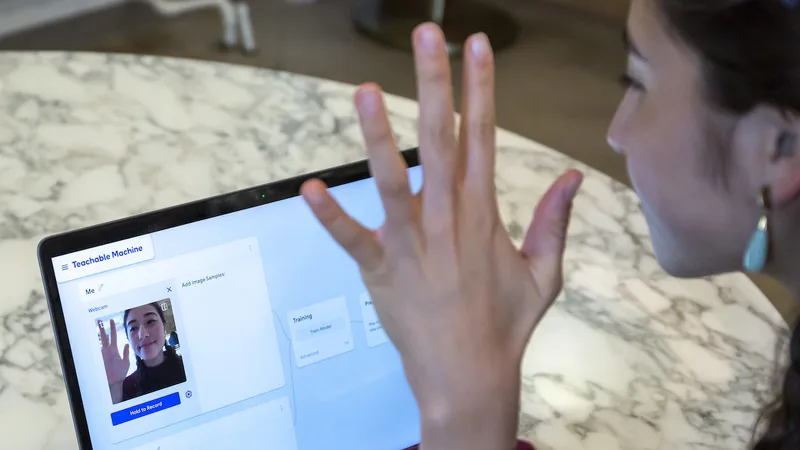
You give it ten photos of a red apple and ten photos of a green apple. You hit 'Train.' Then you show it a new apple and see if it guesses right. It’s that simple. But within that simplicity lies the entire logic of modern technology.
Why it works for families
Most 'educational' tech is either too dry (spreadsheets and logic gates) or too gamified (flashing lights and no substance). Teachable Machine hits the sweet spot. It feels like a magic trick the first time you use it. When a kid realizes they can use their own face or their own voice to trigger an action on a screen, something clicks.
It’s also a fantastic bridge to more serious coding. If your kid is already into Scratch, this is the natural next step. They can train a model to recognize their hand movements and then use those movements to navigate a character through a maze. It moves them from being a user to being an architect.
The Privacy Win
We usually have to be wary of Google products, but Teachable Machine is an outlier. It’s built on TensorFlow.js, which means the heavy lifting happens right there in your browser. The images you take to train the model stay on your computer. For parents who are (rightfully) twitchy about their kids' biometric data or images being fed into a giant corporate maw, this is a breath of fresh air.