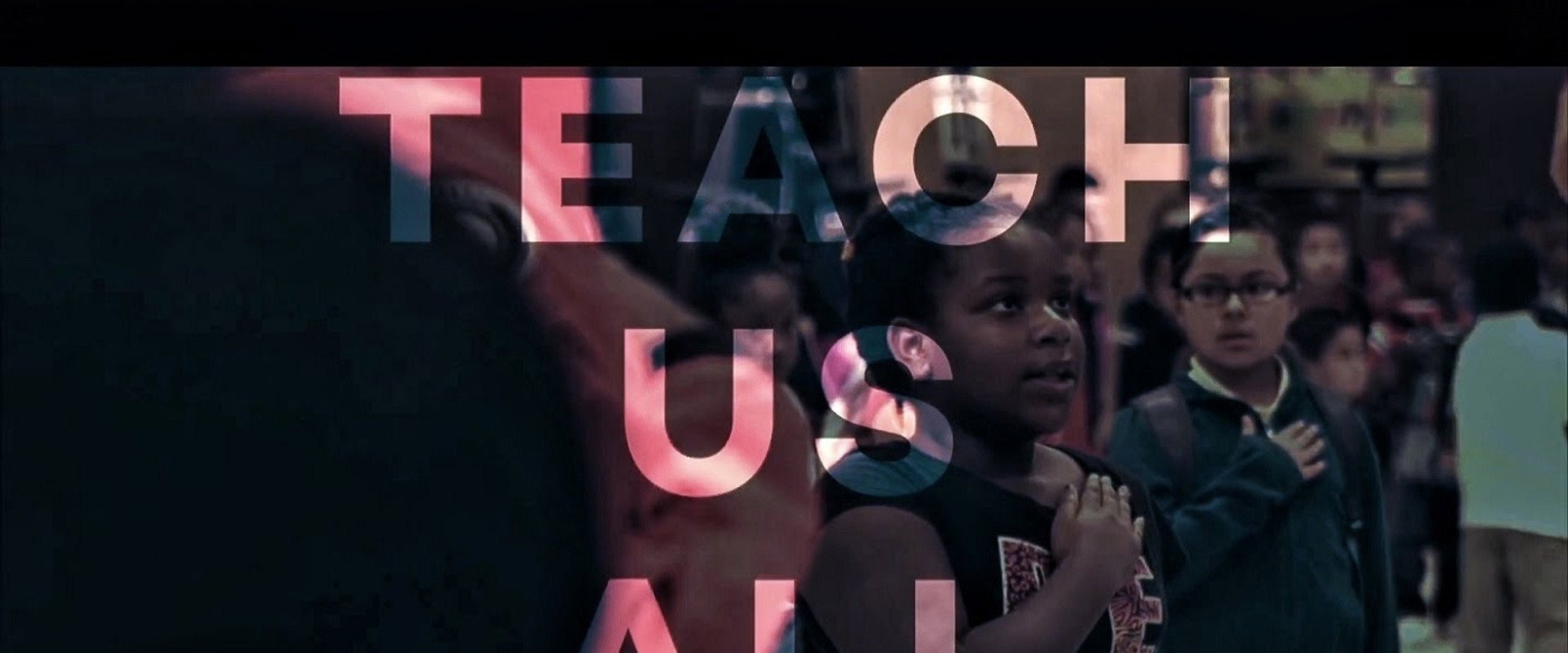
Teach Us All

Teach Us All

movie

NR, 2017, Documentary

WISE
76%

WISE Score

7.1

IMDb

Sobering documentary connecting Little Rock 1957 to today's educational inequality—important, but this is homework, not entertainment.

IMDb7.1
Common Sense Media
Where to Watch
Loading streaming options...
Screenwise Verdict

This is an important documentary that does exactly what it sets out to do: connect the dots between the Little Rock Nine and today's educational inequality crisis. It's well-constructed, features compelling interviews, and strikes a balance between acknowledging harsh realities and highlighting hope.

But let's be real: this isn't something most kids will choose to watch on their own. It's a talking-heads documentary about systemic racism and school funding—crucial topics, but not exactly Bluey. The 7.0 IMDb and 3.4 Letterboxd ratings reflect that it's solid educational content, not must-see cinema.

Use this for what it is: a teaching tool. Perfect for middle school social studies, high school civics, or families who want to dig into civil rights history with their teens. Just don't expect it to compete with their Netflix queue.

Age Fit

Best for ages 12+ who are ready for serious discussions about systemic racism and educational inequality. This isn't entertainment—it's curriculum-adjacent content that works well in classroom settings or for families who actively discuss social justice issues.

WISE Breakdown
Wholesome
78

Documentary tackles systemic racism and educational inequality with dignity and respect for the subjects. Focuses on committed educators and students working toward change. The tone is serious but hopeful, appropriate for mature discussions about civil rights without sensationalism.

Imaginative
62

As a conventional talking-heads documentary, it doesn't push creative boundaries in its filmmaking approach. However, it does invite viewers to reimagine what equitable education could look like and connects historical events (1957 Little Rock) to present-day challenges in compelling ways. The imaginative work here is in making connections across time, not in the format itself.

Safe
85

Common Sense Media rates it for age 12+. No violence, sexual content, or profanity flagged in parent guides. The subject matter—racial segregation, educational inequality—is heavy and emotionally challenging but presented in an age-appropriate documentary format. Historical footage may include tense civil rights era scenes but nothing graphic or traumatizing.

Enriching
88

Highly educational examination of one of America's most urgent civil rights issues. Connects historical desegregation to current hyper-segregation trends with data and expert interviews. School Library Journal calls it 'captivating and fast-paced' with expertly interwoven historical footage. Provides meaningful context for understanding systemic inequality and inspires critical thinking about education policy. This is the documentary's strongest suit.

Parent Info

Why It Might Be Great

  • Connects the 1957 Little Rock desegregation crisis to current educational inequality in ways that make history feel urgent and relevant
  • Features inspiring interviews with educators and administrators who are actively fighting for equity in schools today
  • School Library Journal calls it 'captivating and fast-paced' with expertly interwoven historical footage—not your typical dry documentary
  • Strikes a hopeful note despite bleak statistics about hyper-segregation, showing that committed people can make a difference
  • Perfect for middle and high school social studies curriculum or family discussions about systemic racism

What to Watch For

  • This is serious, heavy material about racism and inequality—not light viewing, and younger kids will need context and support
  • Talking-heads format is conventional and may feel slow for kids used to fast-paced content
  • The documentary paints a 'bleak portrait' of increasing segregation over 30 years, which can be discouraging without proper framing
  • Best watched with intention, not as background viewing—this demands attention and follow-up conversation

Conversation Starters

  • "What surprised you most about how schools have become more segregated since 1957, not less?"
  • "The documentary shows educators working hard despite huge challenges. What do you think keeps them going?"
  • "How do you think the quality of your school compares to schools in other neighborhoods? Why might that be?"
  • "If you could change one thing about how schools are funded or organized, what would it be?"
  • "What connections do you see between the Little Rock Nine's experience and issues in schools today?"

Ask Anything

Get a personalized guide on any topic