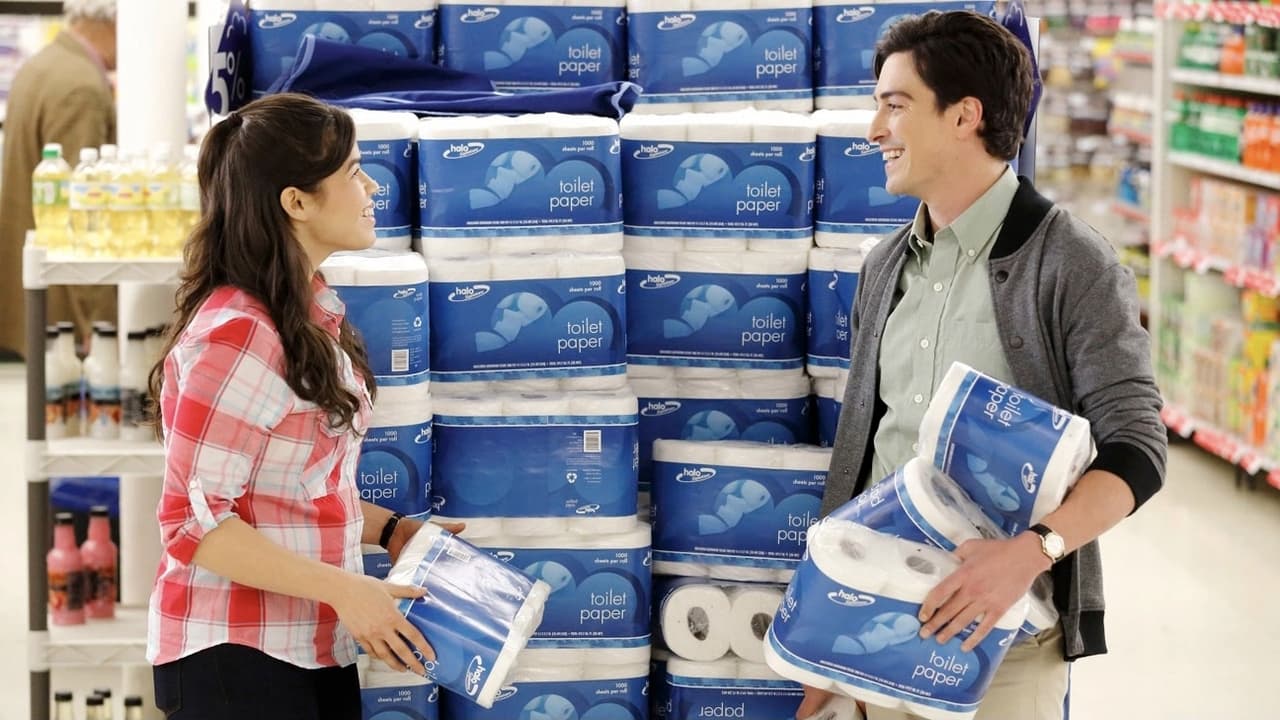
The "Retail is Hell" Reality
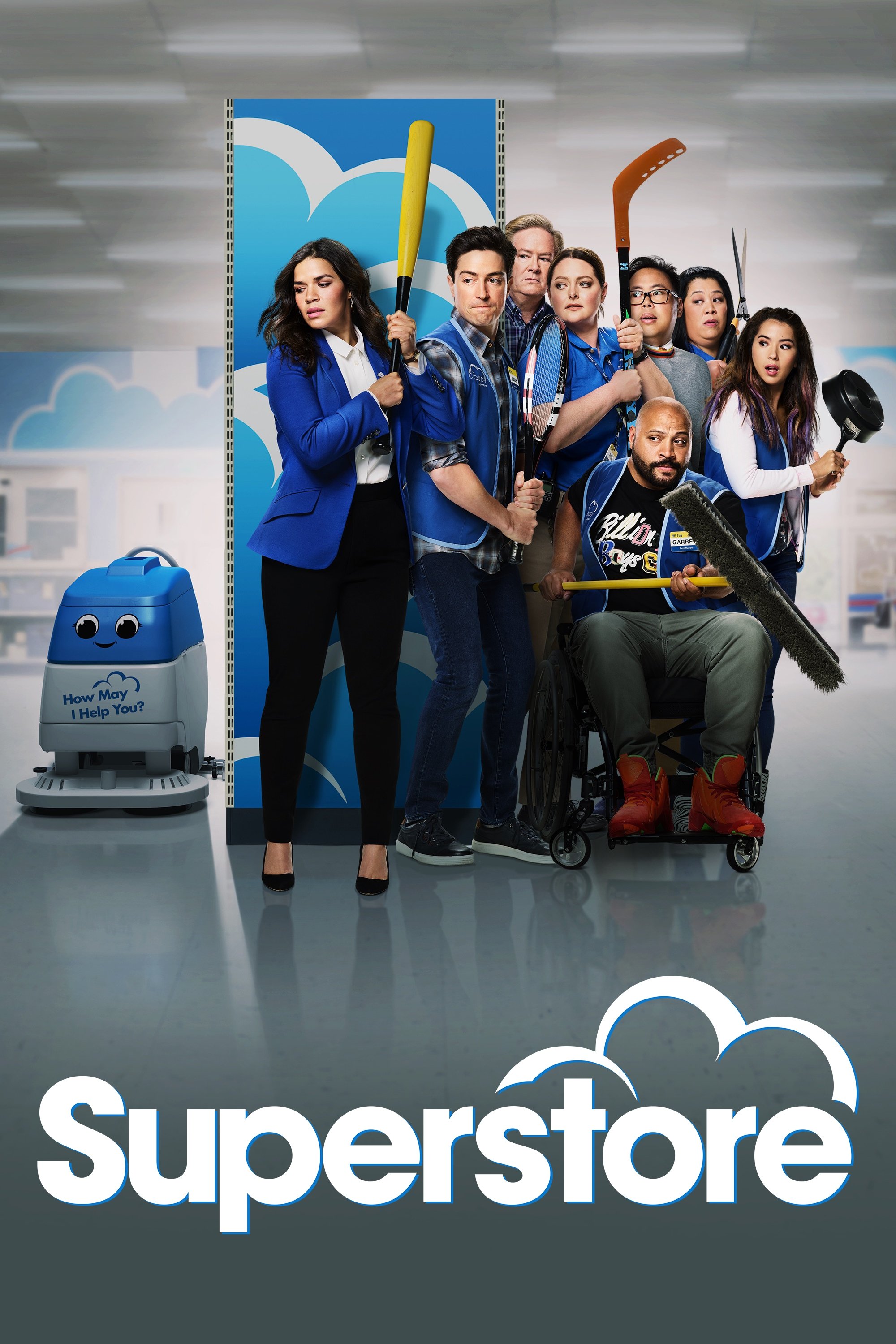
If you’ve spent any time in a suburban big-box store, you know the specific, fluorescent-lit purgatory Superstore inhabits. While many workplace comedies like The Office focus on the boredom of white-collar paper pushing, this show captures the frantic, low-stakes-but-high-stress energy of service work. It’s the spiritual successor to the great ensemble sitcoms of the 2010s, but it trades the optimism of Parks and Recreation for a sharper, more cynical edge regarding corporate overloads.
The "interstitials"—those three-second clips of customers doing bizarre things like drinking ranch dressing off the shelf or letting their kids play with power tools—are the secret sauce. They remind you that the employees aren't just fighting each other; they’re holding the line against a chaotic public.
The Season 1 Hump
You’ll notice a massive gap between the Metacritic score (58) and the Rotten Tomatoes critic score (93). That’s because the first season is arguably mid. It starts as a fairly standard "will-they-won't-they" romantic comedy between a high-achieving floor supervisor and a new hire who thinks he’s too smart for the room. Critics were initially lukewarm because it felt like a derivative clone of better shows.
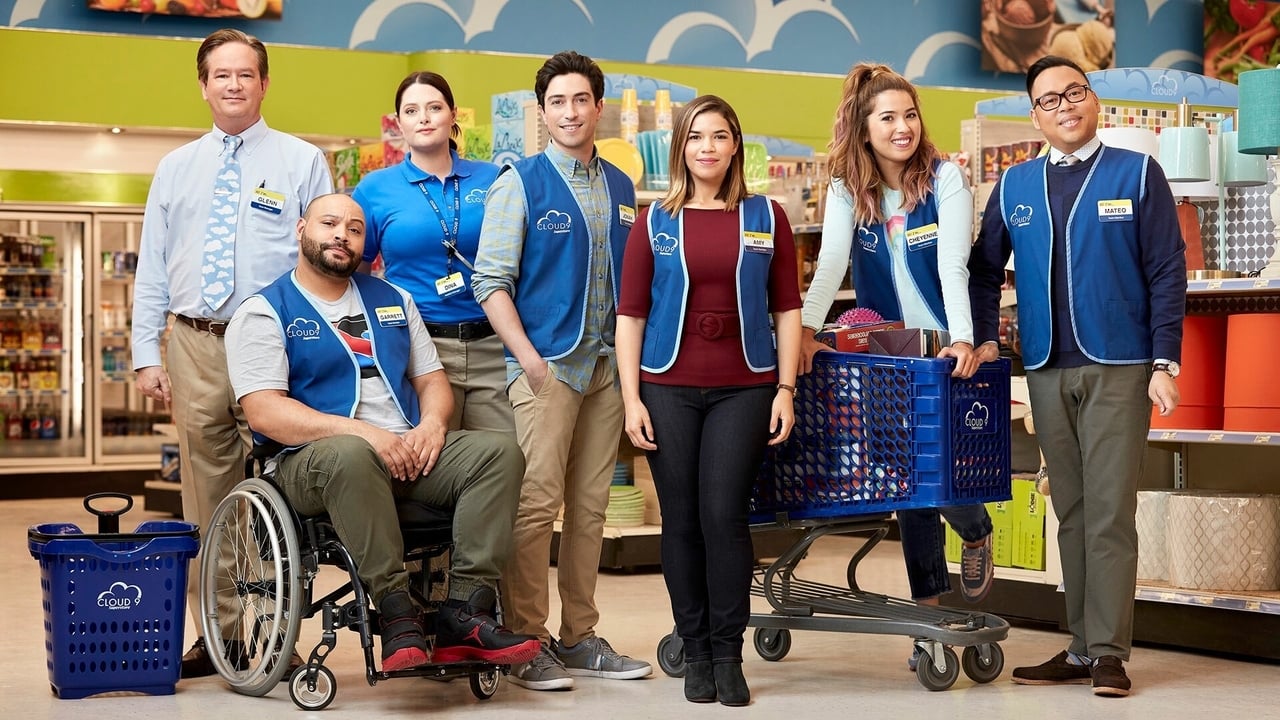
However, once the writers stop obsessing over the central romance and let the weirdos in the ensemble take over, the show levels up. By the time it hits the later seasons, it’s a tight, fast-paced machine. If you’re watching with a teen and the first few episodes feel a bit generic, stick with it. The payoff is in the ensemble chemistry that rivals any of the all-time greats.
Why Teens Actually Dig It
Most sitcoms treat "issues" like a special episode that gets resolved with a hug. Superstore doesn't do that. It handles topics like undocumented status, the lack of maternity leave, and the struggle to get healthcare as persistent, annoying facts of life rather than plot points.
For a 14-year-old looking at the world, this feels honest. It’s not a lecture; it’s a comedy about how hard it is to be a "good person" when your employer views you as a line item on a spreadsheet. It’s a great companion piece if your kid liked Brooklyn Nine-Nine but is ready for something that feels a bit more grounded in the real-world economy.
How to Watch
This is a "background" show that slowly becomes a "foreground" show. You can start it while folding laundry, but the jokes are dense enough that you’ll eventually find yourself sitting down to catch the fast-fire dialogue.
One thing to watch for: the show can be surprisingly bleak regarding the characters' futures. Unlike the characters in The Good Place who are literally navigating the afterlife, the stakes here are about whether someone can afford a car repair or keep their job after a corporate merger. If your teen is prone to "late-stage capitalism" doom-scrolling, this show provides a way to laugh at the absurdity of it all without pretending the problems don't exist. According to Common Sense Media, the show is a solid pick for families who want to spark conversations about how we treat the people who keep our world running.