The "It’s a Wonderful Life" of space opera
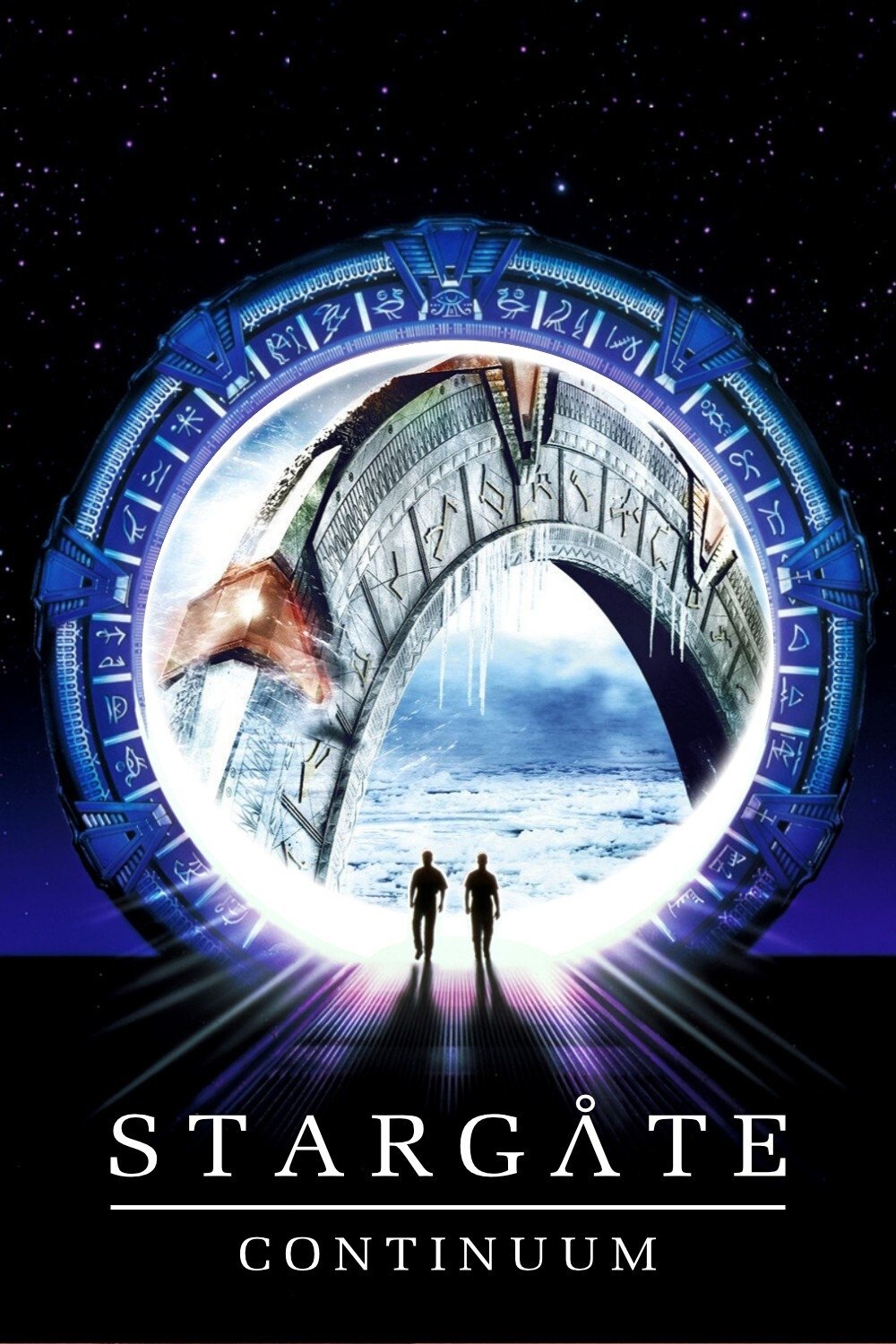
Most TV-to-movie spin-offs feel like bloated two-part episodes. Stargate: Continuum manages to feel like a feature because it uses a classic "what if" scenario to reset the board. By having the villain, Ba'al, travel back to 1939 to sink the ship carrying the Stargate, the movie creates a world where the last ten years of the show never happened.
This is a great hook for a Saturday afternoon watch because it forces the characters to be clever without their usual toys. There are no high-tech shields or beaming technology for most of the runtime. Instead, you get a grounded survival story where the heroes are essentially aliens in their own timeline. If your kid is a fan of the "alternate history" genre—think The Man in the High Castle but with more quips and fewer existential crises—this hits that specific itch.
Real ice beats digital pixels
One reason this movie holds up better than other 2000-era sci-fi is the location work. The production actually went to the Arctic to film with the U.S. Navy. When you see a nuclear submarine breaking through the ice or characters shivering in a frozen wasteland, it’s not a green screen in a parking lot in Vancouver. It’s real.
That physical presence gives the first act a weight that helps ground the more fantastical elements later on. In an era where every Marvel movie looks like it was rendered on the same three servers, showing a kid a movie that used actual icebreakers and sub-zero filming locations is a good way to talk about how movies used to be made. It’s a texture you can feel.
Can you watch this without the homework?
You don't need to have watched all 214 episodes of Stargate SG-1 to follow the plot, but you do need to understand the archetypes. The movie assumes you know that the guy with the glowy eyes is the bad guy and the team in the green flight suits are the good guys.
If your kid liked the time-travel logic of Avengers: Endgame or the "fixing the past" stakes of Back to the Future, they will navigate this just fine. It’s a self-contained paradox story. The only real barrier for a newcomer is the middle section, which trades laser blasts for bureaucracy as the characters try to convince a skeptical government that they’re from a different reality. It’s a "slow-burn" stretch, but for a kid who likes political thrillers or "secret history" vibes, it’s actually a highlight rather than a hurdle.
The villain factor
Ba'al remains one of the more charismatic antagonists in sci-fi history. He isn't a mindless monster; he’s a narcissist with a sense of humor. Watching him navigate his own victory—and the inevitable infighting that comes when you’re a god-king with an ego—is more interesting than the typical "destroy the world" motivation. It’s a useful example of a villain who is the hero of his own story, which usually leads to better post-movie discussions than a villain who is just evil for the sake of the plot.