The NASA-Punk Sandbox
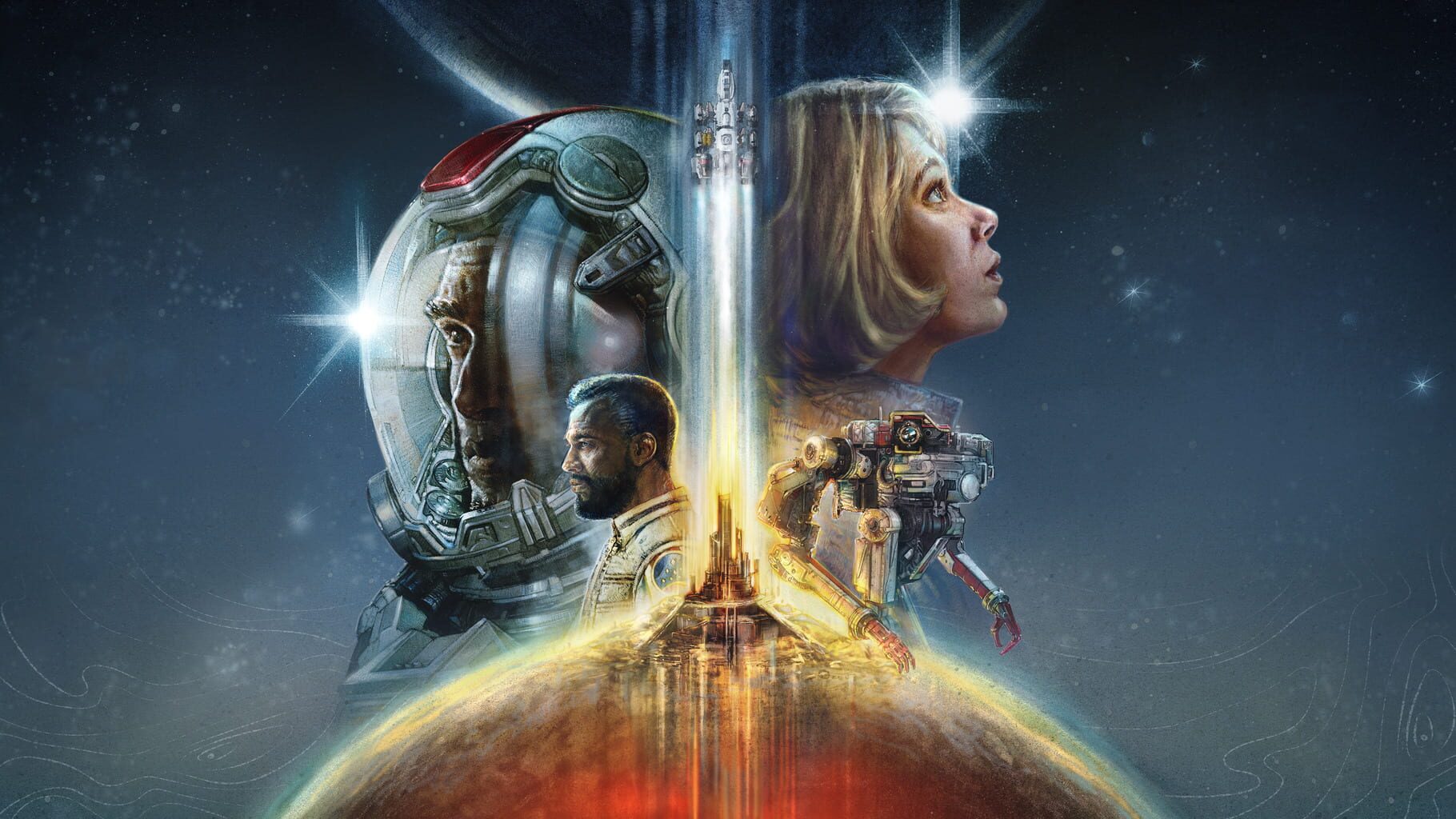
Starfield isn't the fast-paced dogfighter some might expect. It’s a slow, methodical RPG that prioritizes 'the vibe' over constant action. Bethesda calls it 'NASA-punk,' and that's accurate—everything feels tactile, lived-in, and grounded in a version of reality where we actually kept funding the space program.
For a parent, the most interesting part of this game is the Ship Builder. It’s not just cosmetic; it requires an understanding of mass, power distribution, and layout. Watching a kid iterate on a ship design to make it more efficient is a genuine engineering exercise.
Where it gets 'Mature'
The ESRB gave this an M rating, but it’s not as gritty as Cyberpunk 2077 or Grand Theft Auto. The main triggers are blood (which can be frequent in combat) and the drug 'Aurora.' You encounter a city that is basically a futuristic Vegas where this substance is legal. It’s a great opening to talk about why societies regulate certain things, but if you're strictly anti-drug-depiction, you'll want to steer clear of the Neon questline.
The 'Boredom' Factor
Let’s be real: some of the 1,000 planets are just rocks. A younger kid might find the 'walking across a crater' parts tedious. However, for the kid who loves to categorize things or collect every mineral on a periodic table, this is digital catnip. It’s a game that respects a player's intelligence but demands a lot of their time.