The "Homework" problem
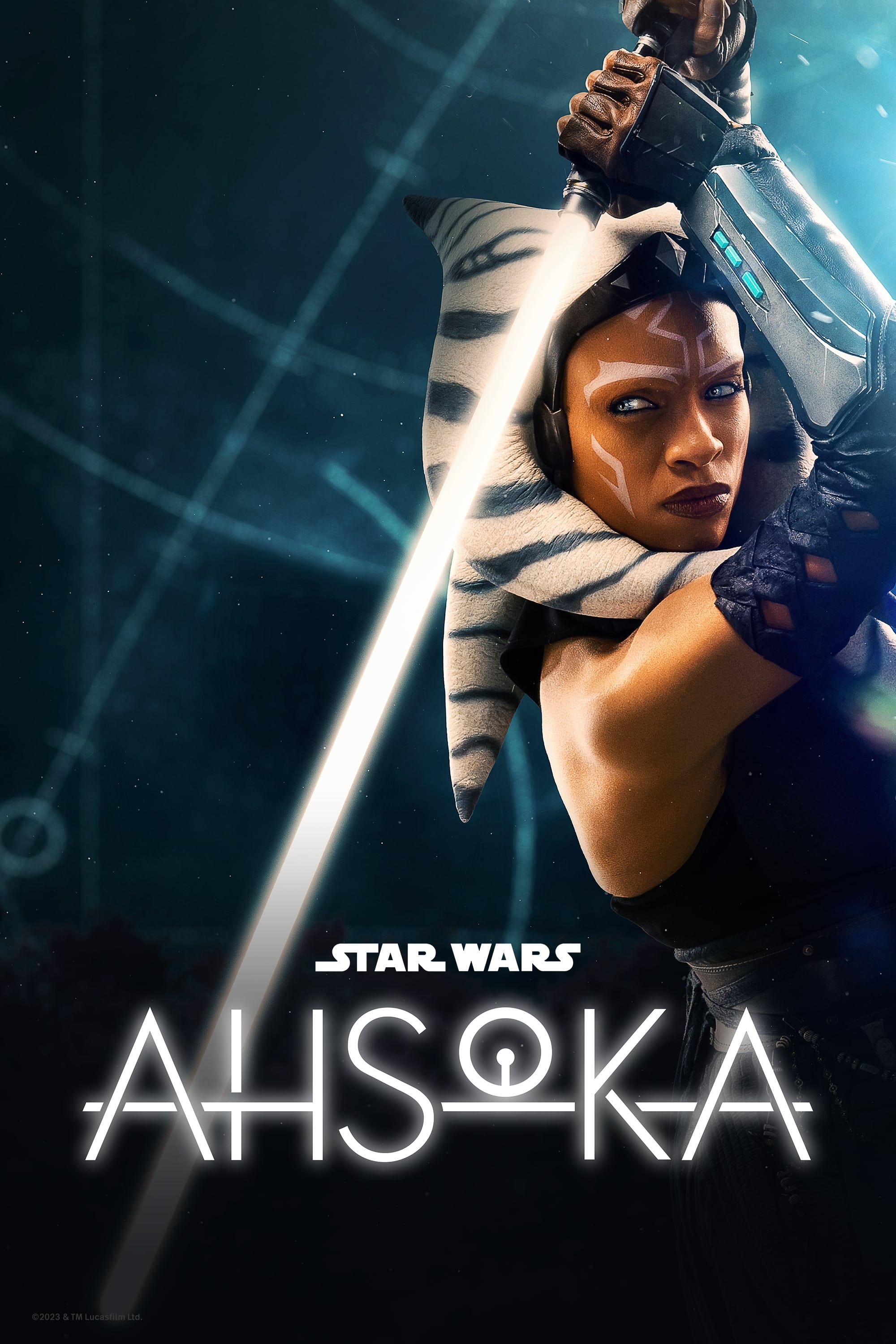
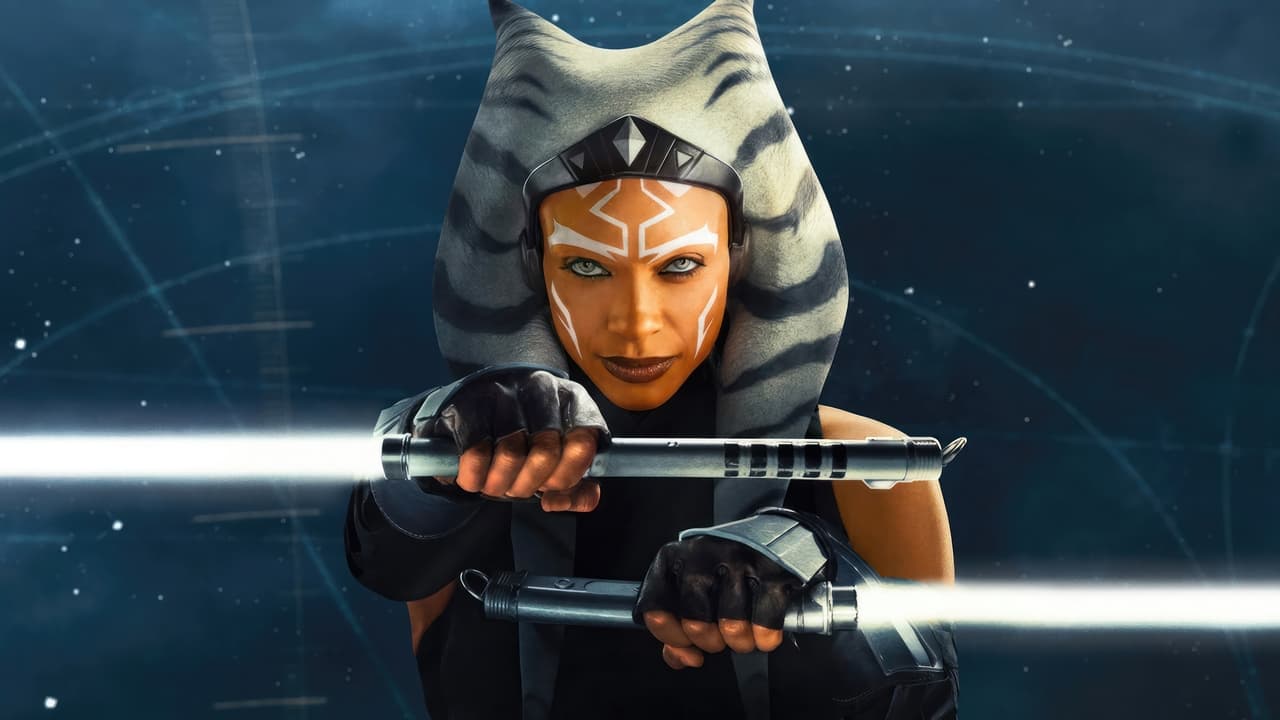
There is a massive elephant in the room with Ahsoka: it is a direct sequel to a four-season animated show. While the marketing suggests you can jump right in, the emotional payoff of the first few episodes relies heavily on you caring about a group of friends reuniting. If your kid hasn't seen the animated adventures of this crew, the first two hours might feel like walking into the middle of someone else's high school reunion.
If you don't have 30 hours to catch up, find a solid "essential episodes" list or a ten-minute YouTube recap. Without that context, the lead character’s stoicism can come across as wooden rather than world-weary. Once the show moves past the "where is our lost friend?" setup and heads into a literal new galaxy, it finds its own feet.
A different kind of Jedi story
Most Star Wars projects are obsessed with the "chosen one" trope—you’re either born with space magic or you aren't. This show takes a refreshing turn by focusing on a character who is explicitly not a natural. Watching a character struggle, fail, and practice repeatedly to achieve even a tiny bit of progress is a fantastic setup for kids. It moves the conversation away from innate talent and toward the value of persistence.
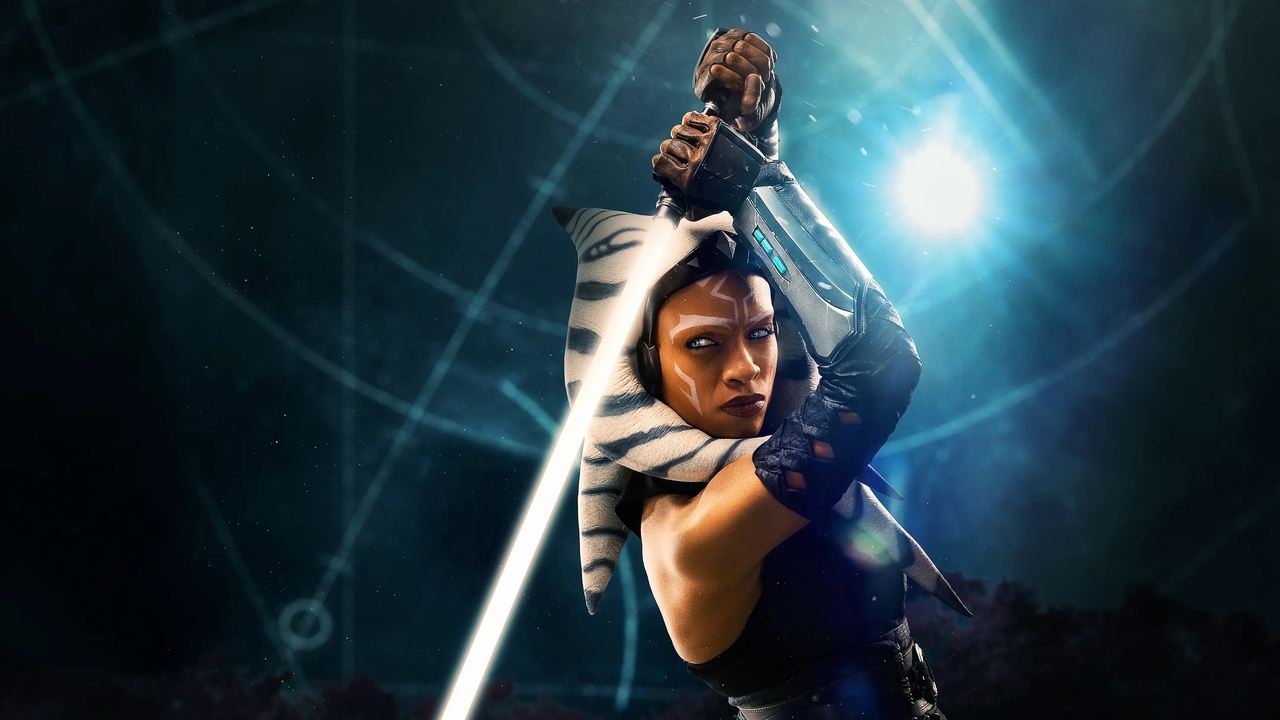
The pacing matches this theme. It’s deliberate. There are long stretches of silence, characters staring at horizons, and lightsaber duels that feel more like samurai cinema than a frantic video game. If your household is currently buzzing off the high-energy chaos of Is 'The Mandalorian and Grogu' Child-Friendly? Parent Guide, be prepared for a significant gear shift. This is a show meant for a big screen with the lights turned down, not something to have on a tablet in the background.
The Baylan Skoll factor
Critics and fans generally agree that the antagonists here are the best part of the series. Instead of the usual cackling villains, we get "mercenary" Force users who have their own code of honor. This is great fodder for older kids who are starting to move past black-and-white morality in stories.
The show also introduces some truly weird, high-fantasy concepts—think space-traveling whales and ancient ruins—that lean more into Lord of the Rings territory than traditional sci-fi. According to Common Sense Media, the 14+ rating is largely due to the intensity of the fantasy violence. While characters do get stabbed, the show handles these moments with a certain gravity that The Mandalorian sometimes skips. It feels like the stakes actually matter.
If your kid liked Rebels or Andor
Think of Ahsoka as the middle ground between the Saturday-morning-cartoon energy of the animated series and the gritty political drama of Andor. It’s more mature than the former but more magical than the latter.
- For the Rebels fan: This is the live-action closure they’ve wanted for years.
- For the Lore-hound: It expands the mythology of the Force in ways the movies never dared.
- For the Action fan: The choreography is top-tier, especially the late-season duels that use the environment in clever ways.
If your kid finds the first two episodes boring, encourage them to stick it out until the fourth or fifth. That’s when the show stops looking backward at its own history and starts doing something genuinely new with the franchise.