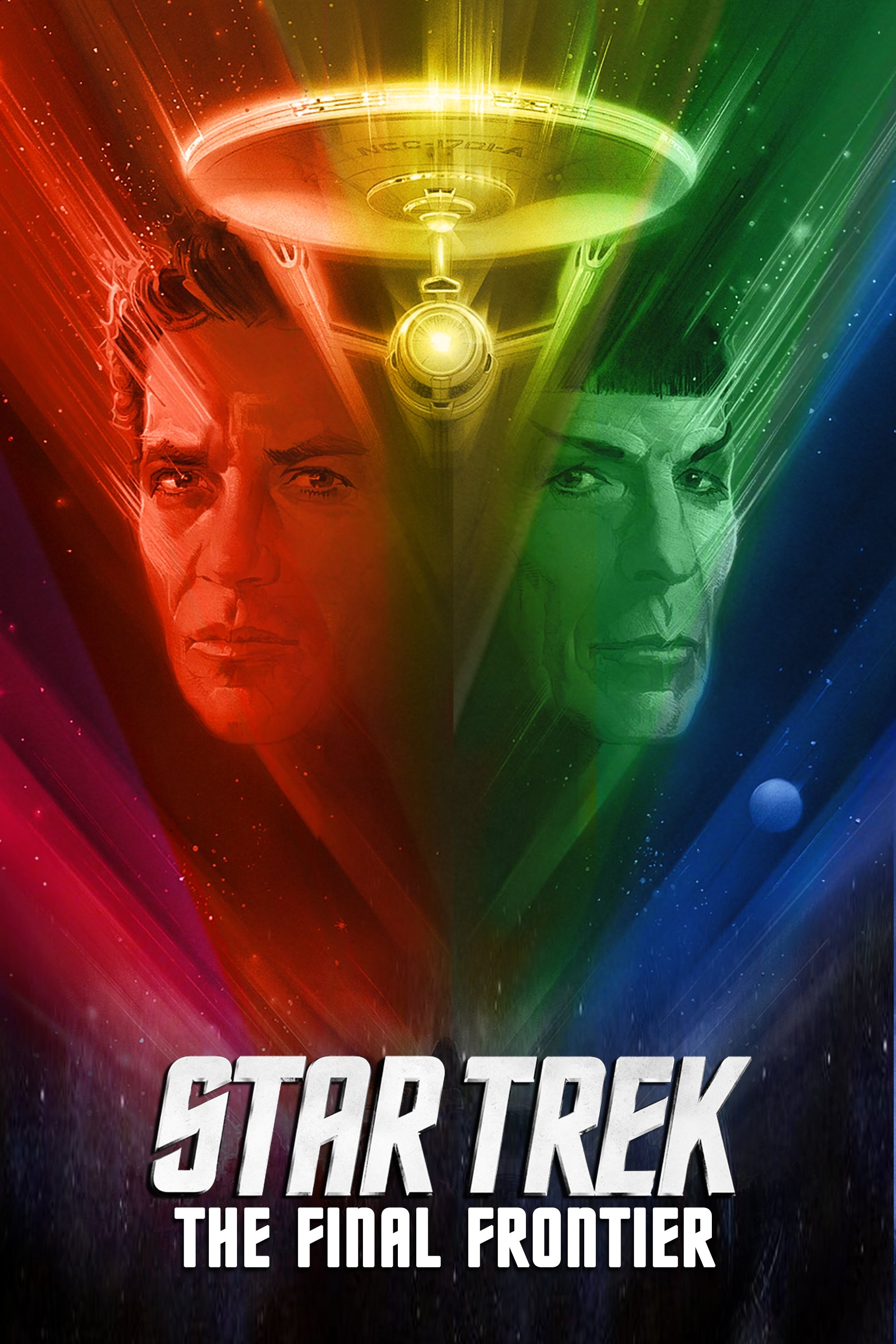
The "Odd Number" Curse is real
If you’ve spent any time in the Trek fandom, you know the old rule: the even-numbered movies are the classics, and the odd-numbered ones are the skips. This movie is the reason people started saying that. With a 22% from critics and a 25% from audiences on Rotten Tomatoes, we aren't exactly talking about a misunderstood masterpiece. It’s a weird, clunky, and often cheap-looking chapter in a franchise that usually prides itself on being "prestige" sci-fi.
The plot feels like a fever dream. A Vulcan who decided logic was overrated hijacks the Enterprise to fly into the center of the galaxy because he thinks God is chilling on a planet called Sha Ka Ree. It’s as goofy as it sounds. If your kids have been raised on the high-octane, polished action of the newer movies or even the better original films, the pacing here will feel glacial. We’re talking long scenes of people walking through deserts and a climax that involves a giant floating head that looks like it was made with a 1989 toaster.
Why Sybok is actually interesting
Despite the low scores—and that 2.6 on Letterboxd is particularly stinging—there is one element that usually sparks a good conversation with older kids. The villain, Sybok, isn't a warlord or a monster. He’s a charismatic "healer" who takes away people’s secret emotional pain to gain their loyalty.
It’s a very early look at how cult-like personalities operate. He doesn't use a mind-control ray; he just offers a shortcut to happiness. Watching the crew basically join a cult because they don't want to feel sad anymore is a heavy concept buried in a movie that also features a three-breasted alien cat-woman. If you have a teen who is starting to look at how people's emotions can be manipulated, Sybok is a much more relevant villain than a generic space pirate.
The "I Need My Pain" philosophy
The movie’s only truly great scene happens when Sybok offers to "heal" Captain Kirk. Kirk’s refusal—insisting that his pain is what makes him who he is—is the highlight of the script. It’s a solid moment of character building that stands out in an otherwise messy film.
For kids who are athletes or high achievers, this idea of "mental toughness" through struggle is a big theme. If your teen is already looking for ways to build that kind of resilience, perhaps through something like the devotions for young baseball players, Kirk’s speech serves as a secular version of that same discipline. He argues that there are no shortcuts to being a whole person. You have to carry the hard stuff to get the good stuff.
How to watch it without losing your mind
Don't make this a "sit down and pay attention" family movie night. This is "laundry folding" cinema. It’s the kind of movie you put on in the background while you're doing something else.
- Lean into the camp. The special effects are noticeably worse than the movie that came out seven years prior. Point out the bad blue-screen work. It’s a lesson in how production troubles can tank a big-budget vision.
- Watch the trio. The chemistry between Kirk, Spock, and McCoy is the only thing keeping the ship afloat. Their campfire scenes are genuinely sweet and show a level of male friendship that you don't see often in modern action movies.
- The "God" question. When they finally get to the "mythical planet" mentioned in the synopsis, the movie asks one of the most famous questions in sci-fi history: "What does God need with a starship?" It’s a hilarious moment of logic that even a ten-year-old will find satisfying.
If you’re doing a full series marathon, you can’t skip it. But if you’re just looking for a "good" movie, keep scrolling. This one is for the completionists only.