The Art of the Slow Burn
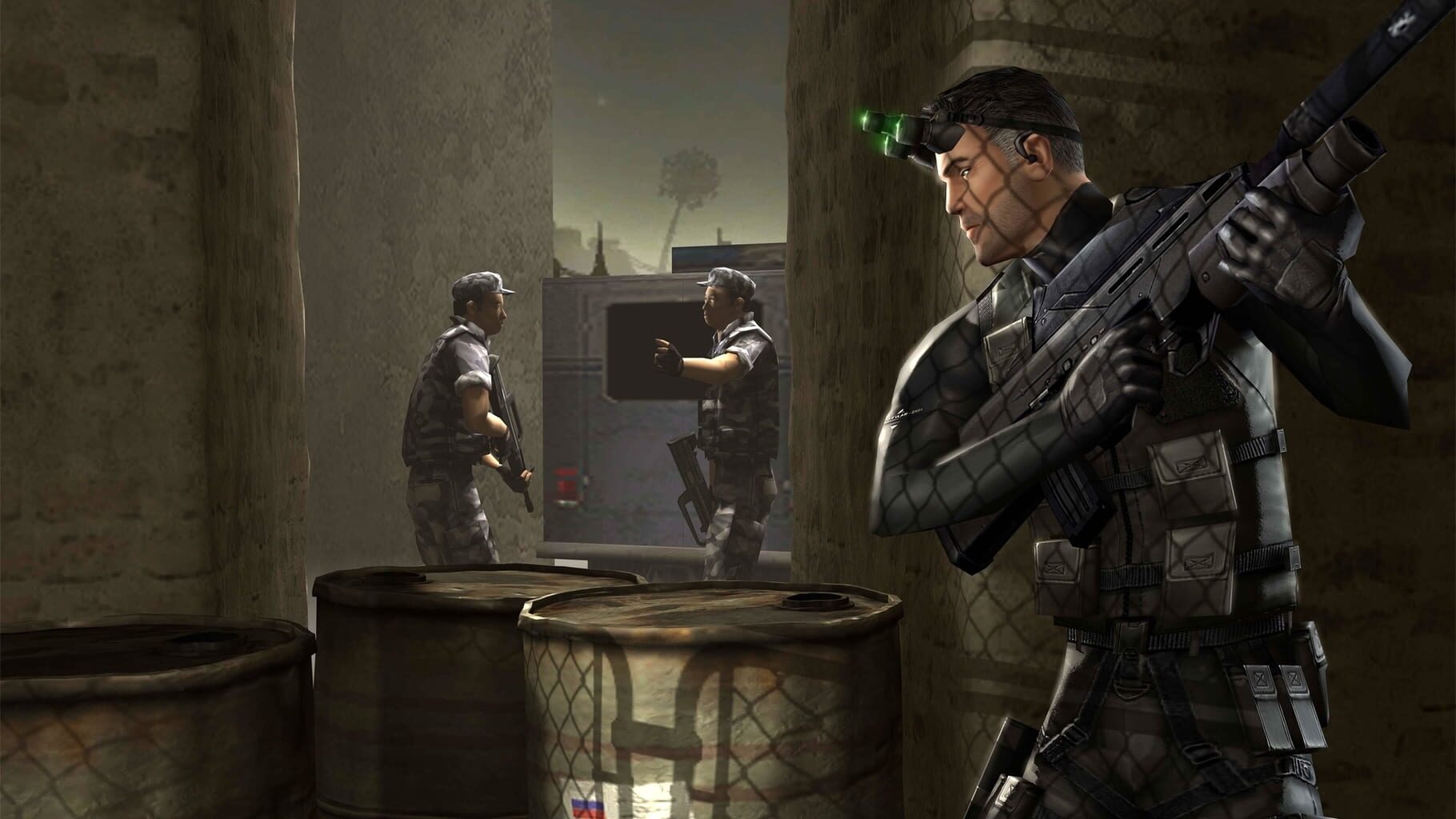
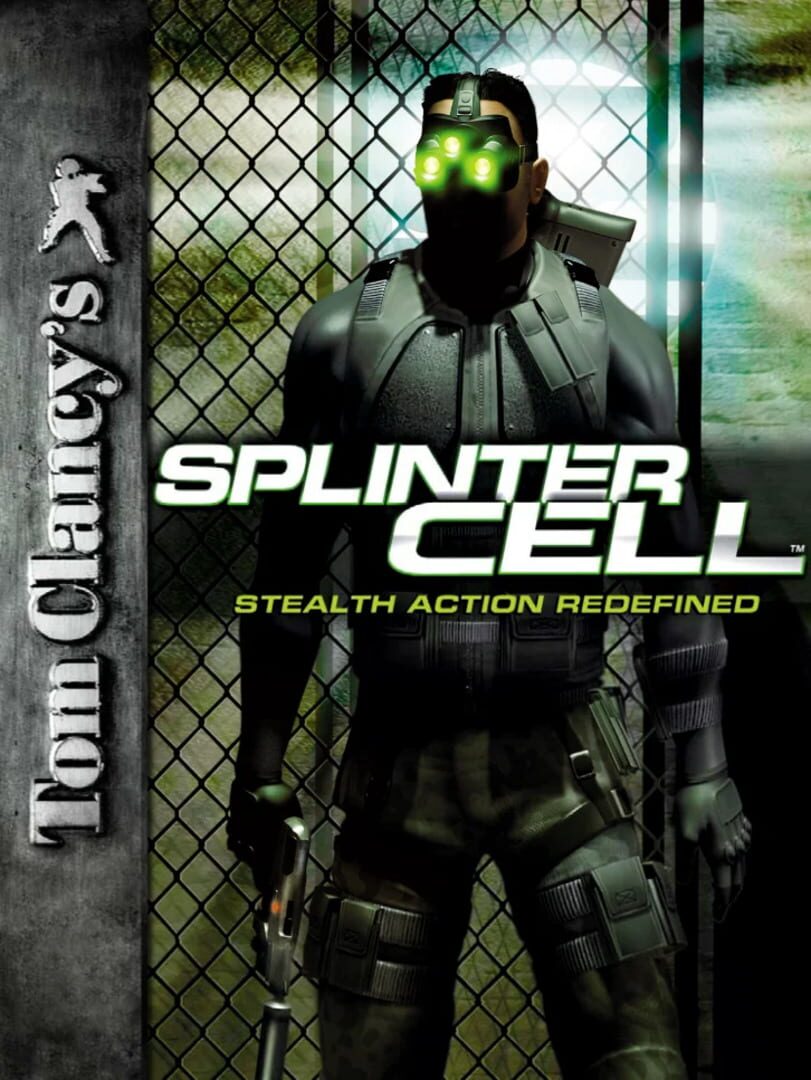
Released in 2002, Splinter Cell was the Xbox's answer to Metal Gear Solid, but it traded Hideo Kojima’s cinematic weirdness for Tom Clancy’s grounded, 'ripped from the headlines' realism. You play as Sam Fisher, a man whose primary superpower is owning a very expensive pair of night-vision goggles and being able to do a split between two walls.
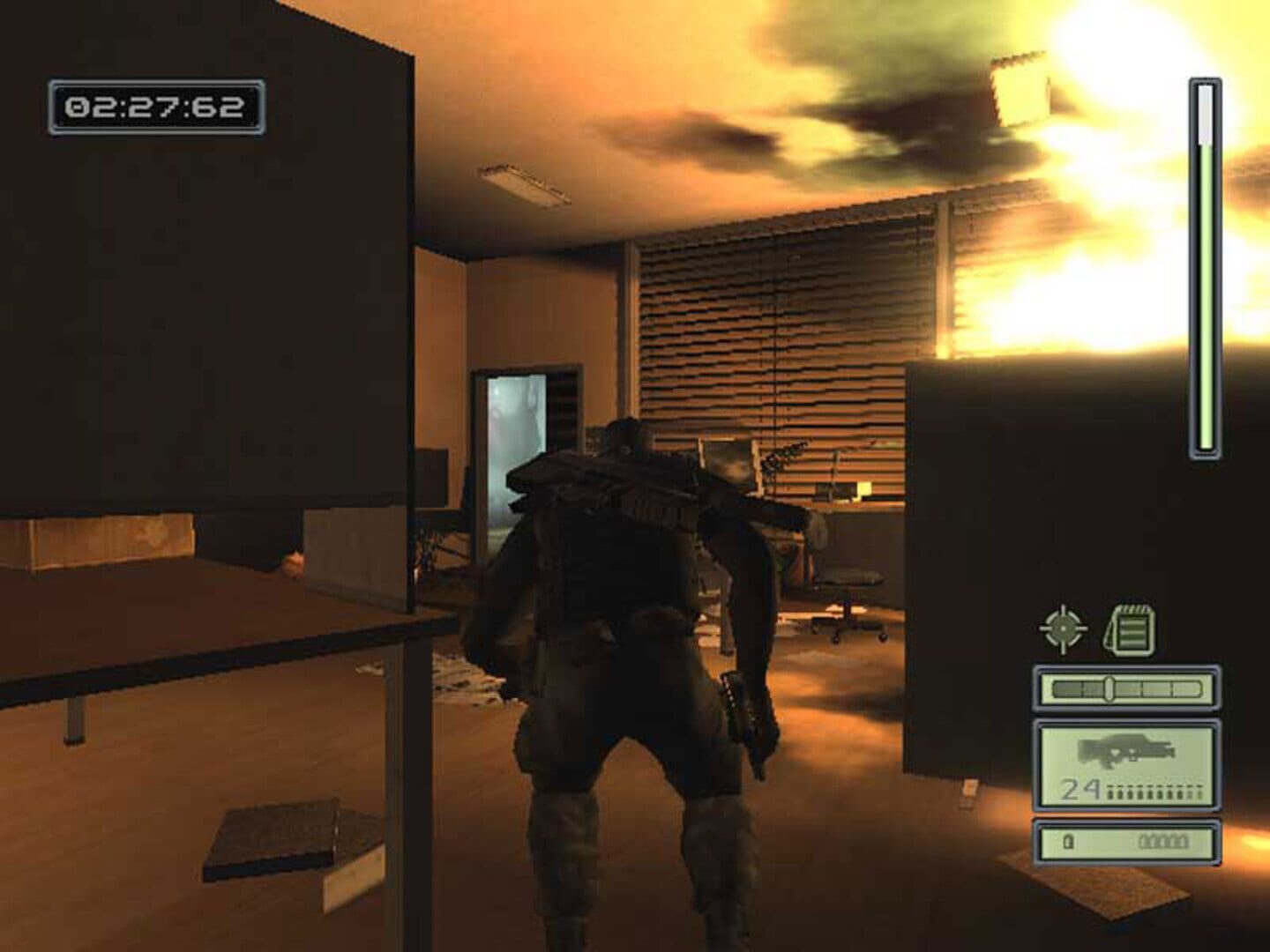
What makes this worth a look in 2026 isn't the story—which is a standard-issue techno-thriller about Georgian commandos and cyber-warfare—but the mechanics of restraint. In most modern shooters, the gun is your primary tool for interaction. In Splinter Cell, drawing your gun usually means you’ve already failed. You are constantly managing your visibility meter, listening for footsteps, and shooting out lightbulbs to create pockets of safety.
For parents, the 'M' rating is mostly for the realistic violence and the tension of the stealth. There’s no gore on the level of Mortal Kombat, but the game treats killing as a cold, professional necessity. It’s a great bridge for a kid who wants to move away from cartoonish games into something more 'grown-up' without jumping straight into the toxic cesspool of modern online multiplayer shooters.
Just be prepared to help them through some of the more obtuse level designs. This was made in an era where 'where do I go next?' was a legitimate part of the challenge, not a question answered by a glowing waypoint on the floor.