The Gold Standard of YouTube Science
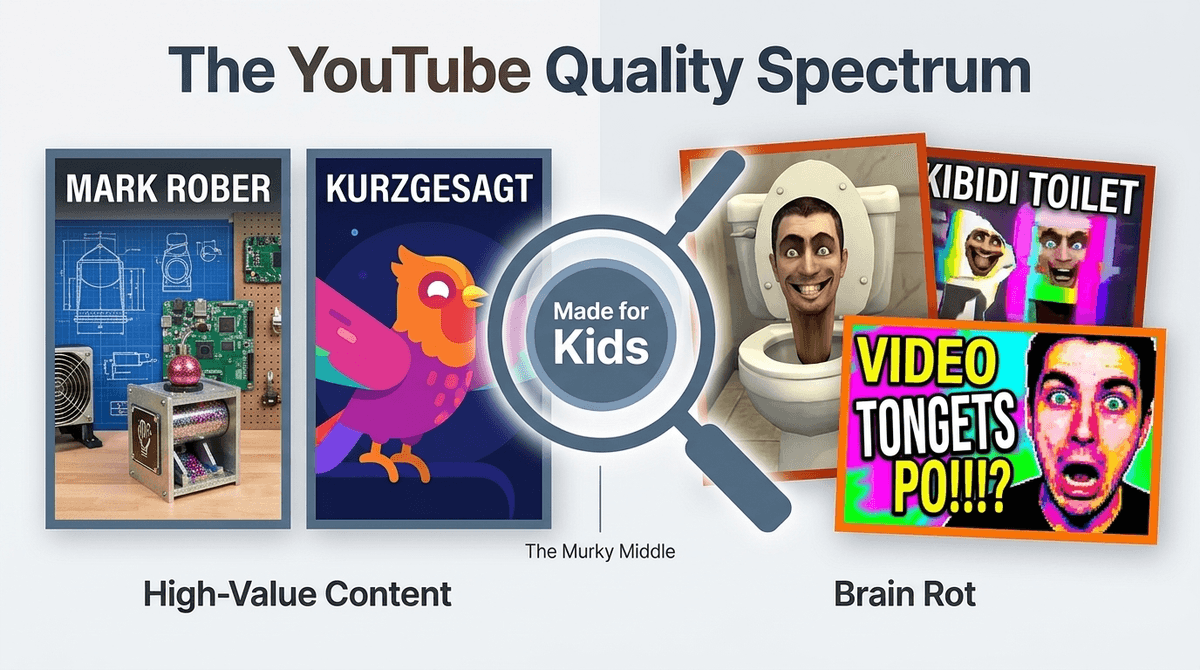
There is a specific kind of 'YouTube Energy' that usually signals a decline in brain cells—rapid cuts, screaming hosts, and clickbait thumbnails. Science Max has the energy, but it swaps the hollow stunts for actual substance. Phil McCordic is a master of the 'show, don't just tell' philosophy. By taking a simple concept—like how a bridge holds weight—and scaling it up until it can support a literal truck, he makes physics visceral.
What makes this channel particularly valuable in 2026 is Phil's stance on media literacy. He has been vocal about debunking fake science videos, teaching kids to look at 'viral' experiments with a skeptical eye. In an era of AI-generated slop and staged 'miracles,' that's a more important skill than knowing the periodic table.
Why it works where others fail
Most educational YouTube content falls into two traps: it's either a dry lecture with some stock footage, or it's a 'science' channel that's actually just a series of things being set on fire. Science Max avoids both by staying rooted in the scientific method. You see the blueprints, you see the math, and most importantly, you see the failures. When a giant structure collapses, Phil doesn't edit it out; he analyzes why it happened and fixes it. That's the most 'wholesome' thing about the show—it teaches kids that being wrong is just the first step to being right.
Parent Strategy
If your kid is into this, use the 'Mini Max' segments as a weekend challenge. They show the tabletop version of the big experiment. It’s a low-friction way to get them off the screen and into the kitchen or garage to actually build something. Just be prepared to buy a lot of duct tape and popsicle sticks.