The "You Had to Be There" Factor
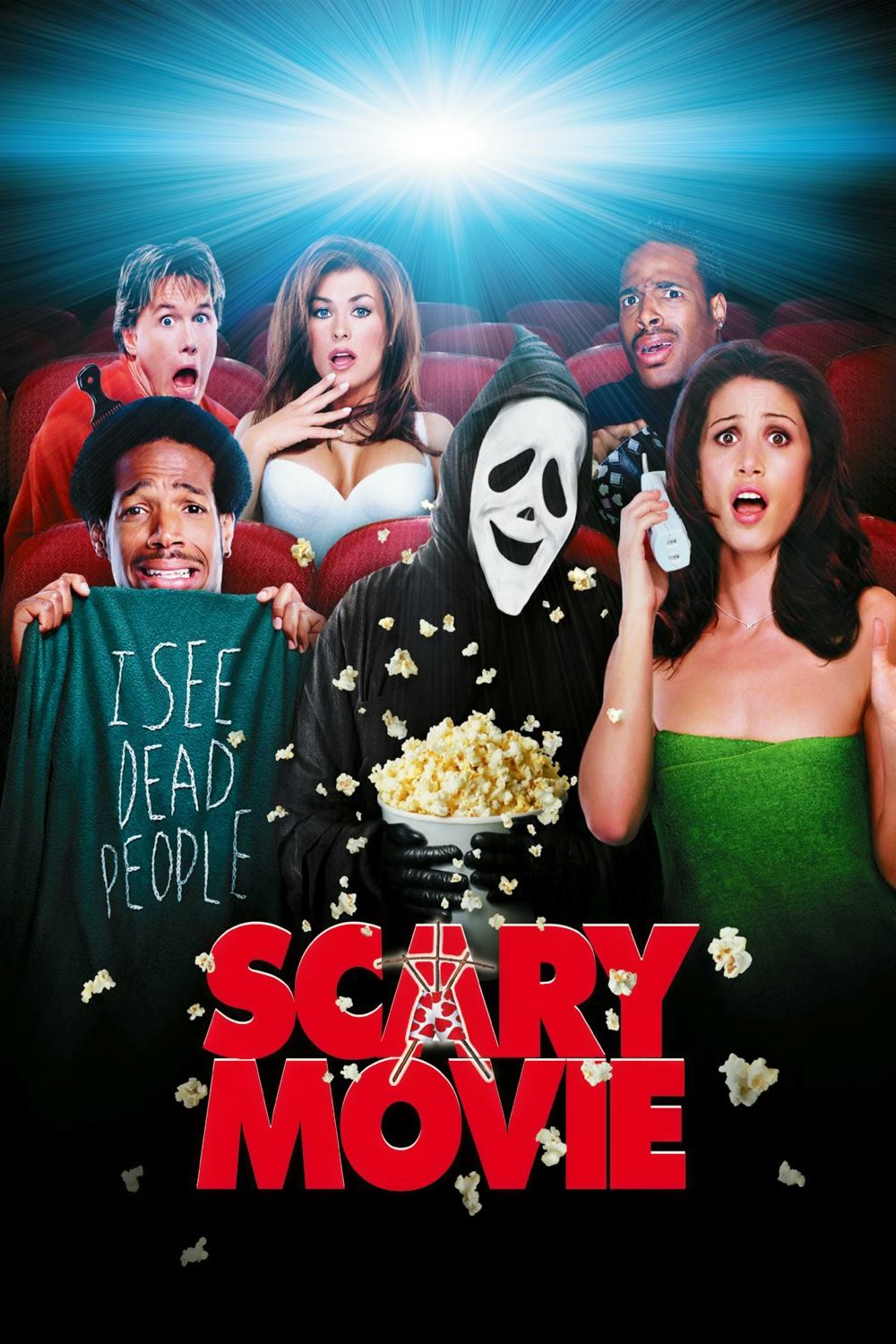
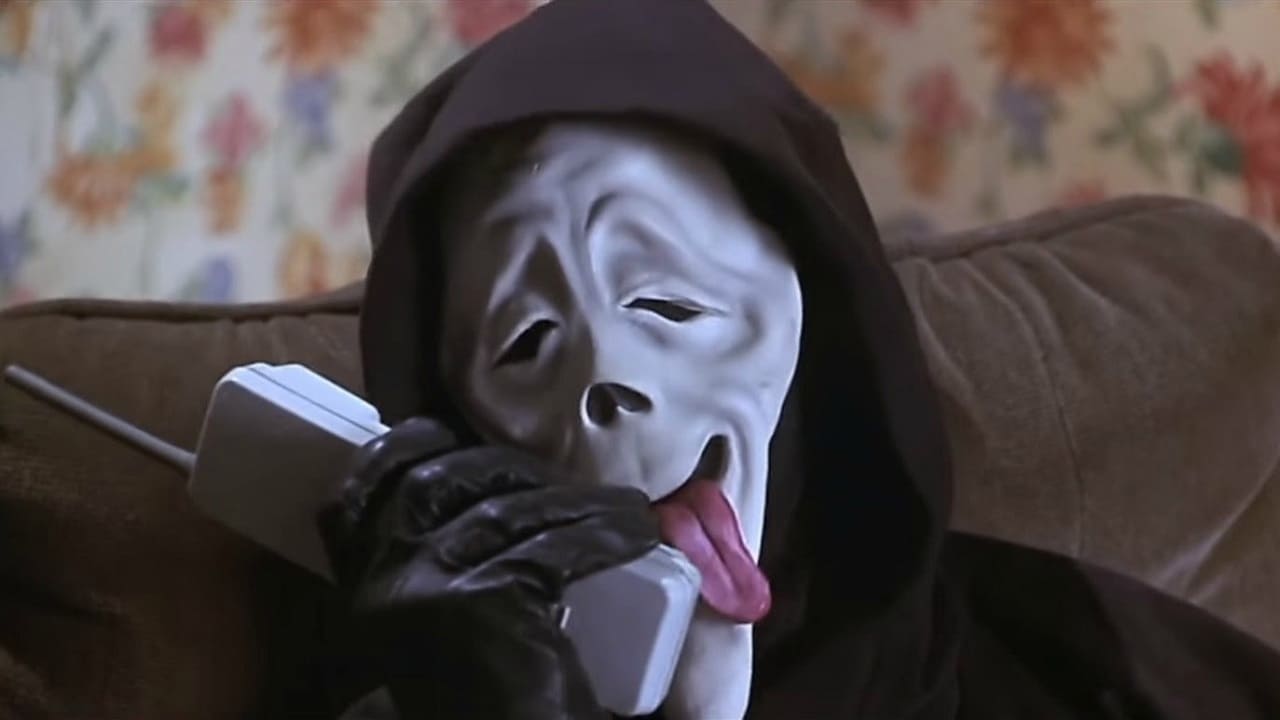
To understand why this movie exists, you have to remember the late 90s. Horror was having a massive, self-aware moment with masked killers and teen casts, and the audience was primed for someone to take the piss out of it. When this landed in 2000, it wasn't just a hit; it was a cultural landslide. It took every trope that felt "cool" at the time and turned it into a gross-out gag.
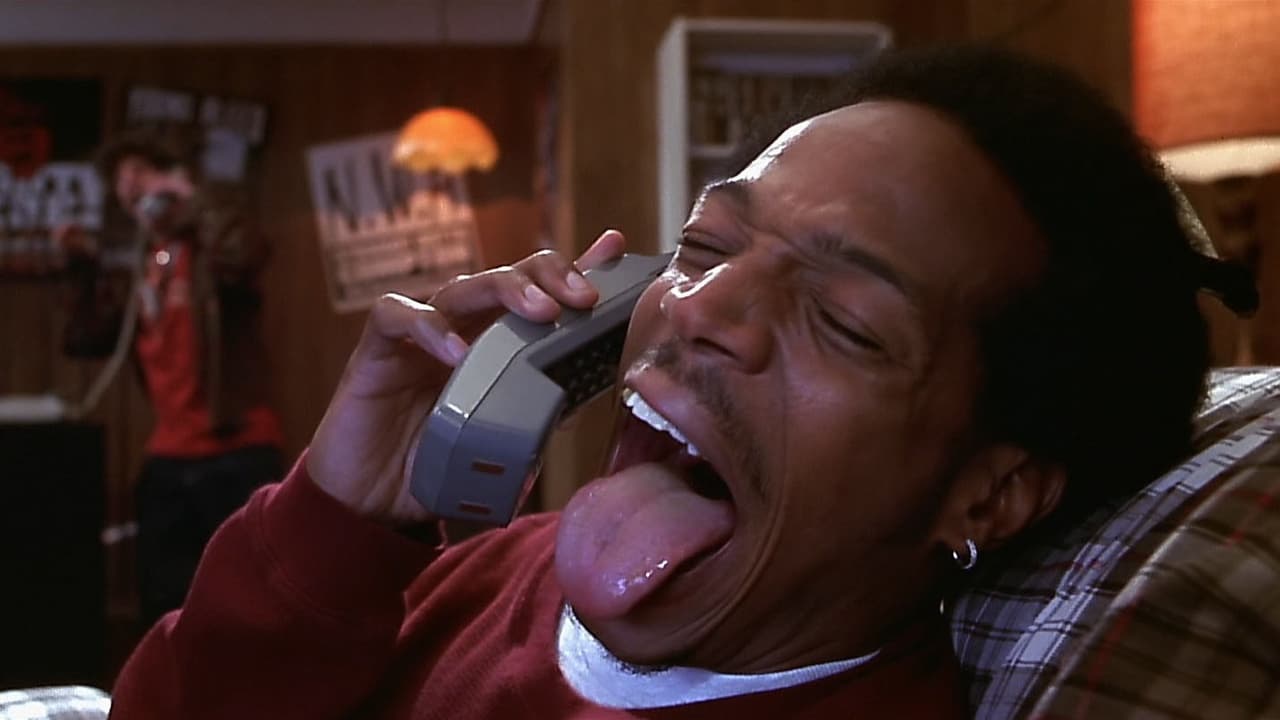
Watching it in 2026 is a different experience. The satire isn't "razor-sharp" anymore because the movies it parodies have already been dissected by twenty years of internet memes. What’s left is a frantic, often mean-spirited energy that defined the "spoof movie" era. If you’re coming to this after watching modern, polished horror, the sheer cheapness of the jokes might be the biggest shock. It doesn't want to be clever; it wants to see how many bodily fluids it can fit into a single scene.
The Wayans DNA and the 2026 Comeback
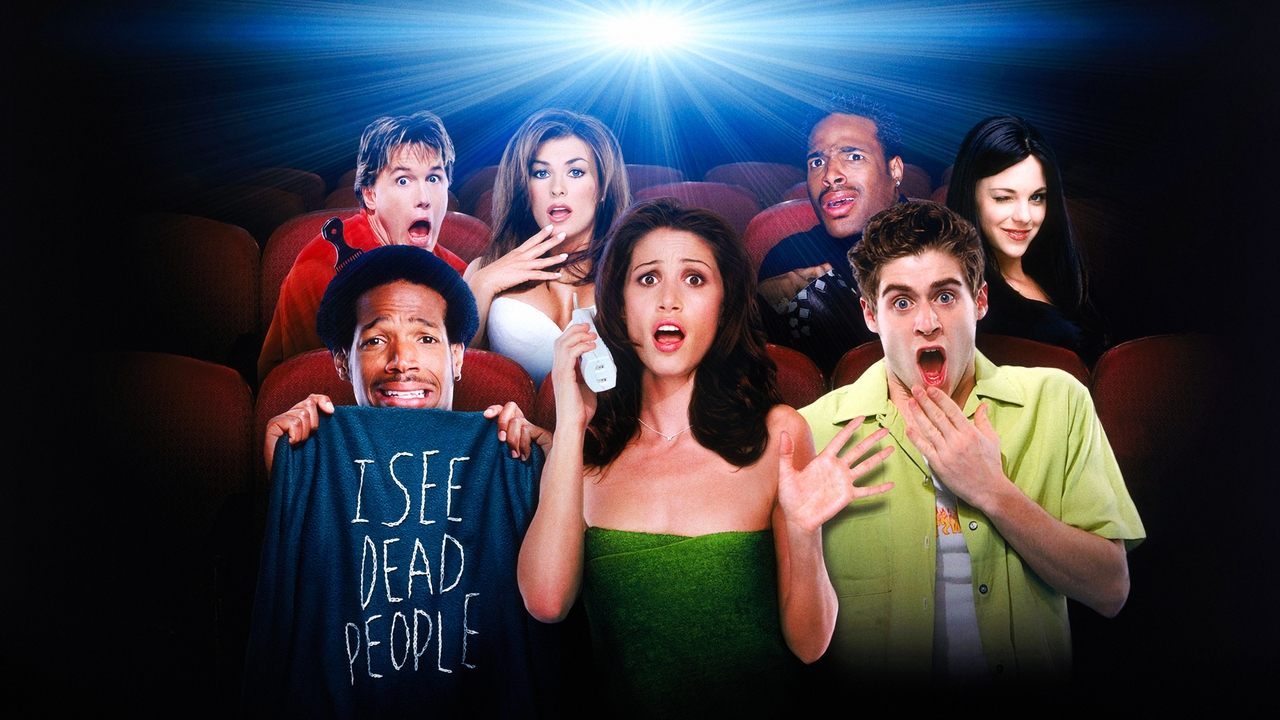
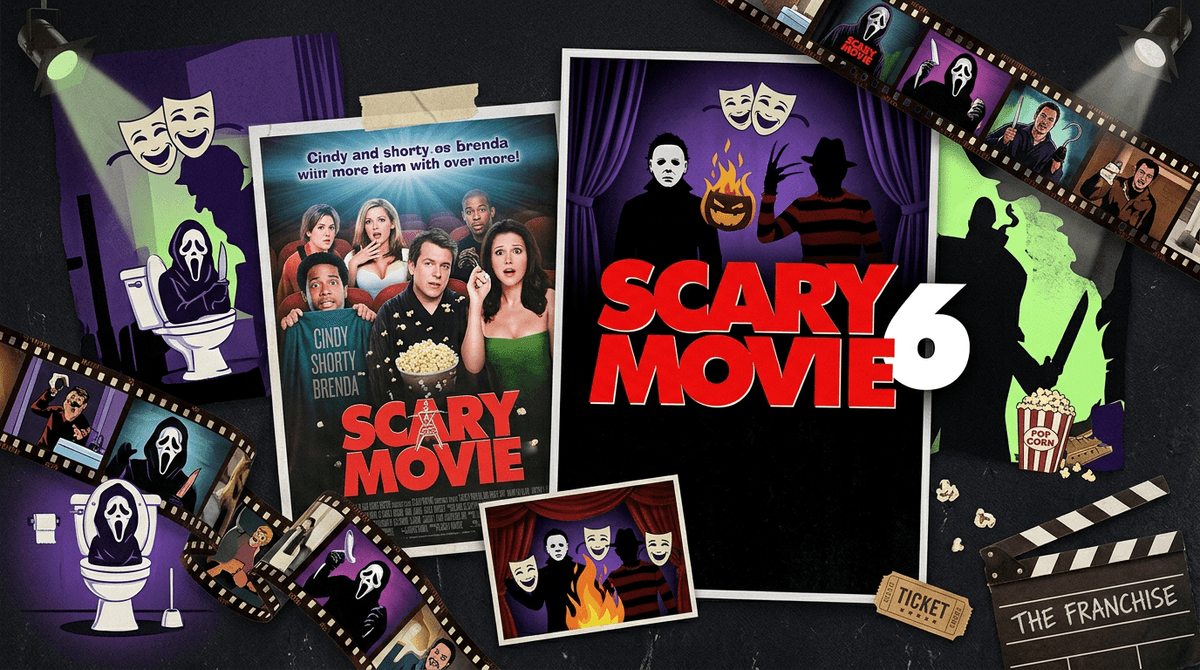
The reason we’re even talking about a twenty-five-year-old parody right now is the massive nostalgia cycle bringing the original creators back into the fold. If your teen is seeing headlines about Damon Wayans and the 2026 'Scary Movie' Comeback, they’re going to want to see where it started.
There is a specific comedic rhythm here—fast-paced, physical, and completely unfiltered—that you just don't see in modern studio comedies. It’s the blueprint for an entire decade of parodies that followed. While the critics on Metacritic and Rotten Tomatoes weren't exactly kind, the movie found its life in sleepovers and basement viewings. It’s "low-brow" in its purest form. If you’re trying to figure out if the new era will be just as raunchy, checking out the Scary Movie 6 Age Rating & Parents Guide is a good way to calibrate your expectations against this original 2000 version.
Friction Points for the Modern Viewer
If you decide to hit play, be prepared for the cringe. Not the "I'm embarrassed for you" cringe of a bad TikTok, but the "wow, we really joked about that?" cringe of the early 2000s.
- The Targets: The movie takes aim at everything from gender identity to mental health with the subtlety of a sledgehammer. It’s not "edgy" by today’s standards; it’s just dated.
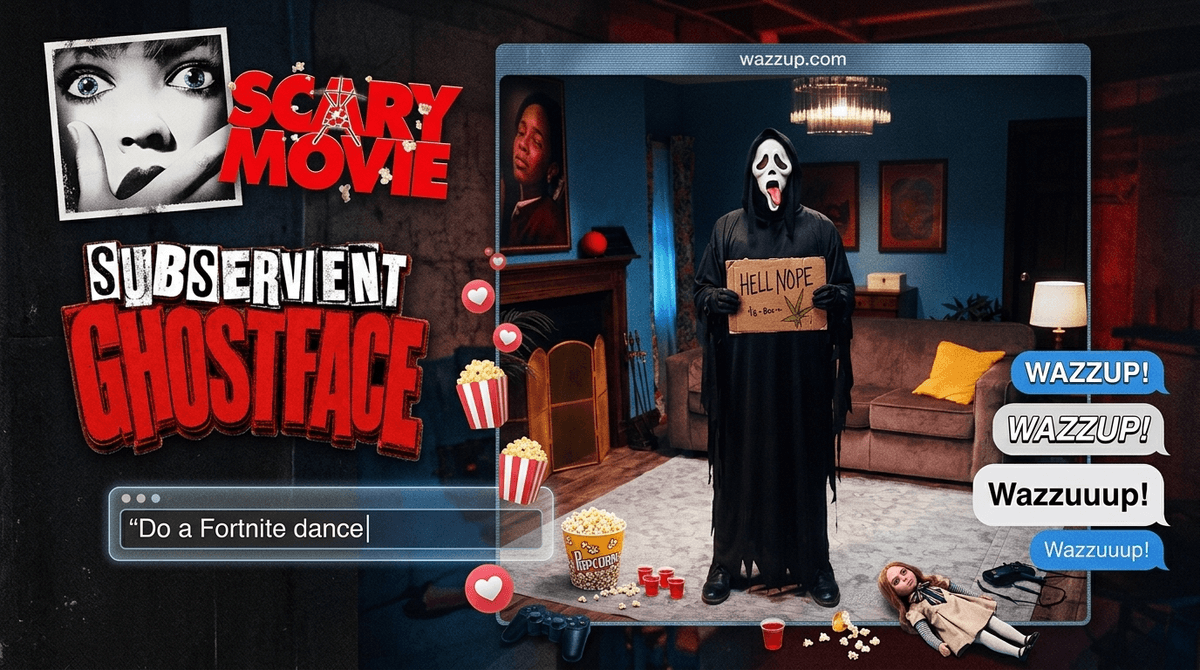
- The References: A good 30% of the jokes rely on you remembering specific commercials and pop culture moments from the Y2K era. If you don't remember the "Whassup" guys, those beats will land with a thud.
- The Logic: There isn't any. Characters die and reappear, the plot teleports, and the movie breaks the fourth wall constantly. It’s a sketch show disguised as a film.
How to Handle the "Request"
If your 16-year-old wants to watch this, they’ve likely already seen clips on social media. The best way to approach it isn't as a "horror movie" or even a "comedy," but as a museum piece of what was considered "too far" two decades ago.
It’s a loud, messy, and occasionally hilarious look at a time when movies didn't care about being "problematic." If they liked the meta-humor of modern slasher reboots, this is the chaotic, R-rated ancestor that refused to take any of it seriously. Just don't expect it to hold up as a masterpiece—it’s a movie that lives and dies on its ability to make you say "I can't believe they did that" every five minutes.