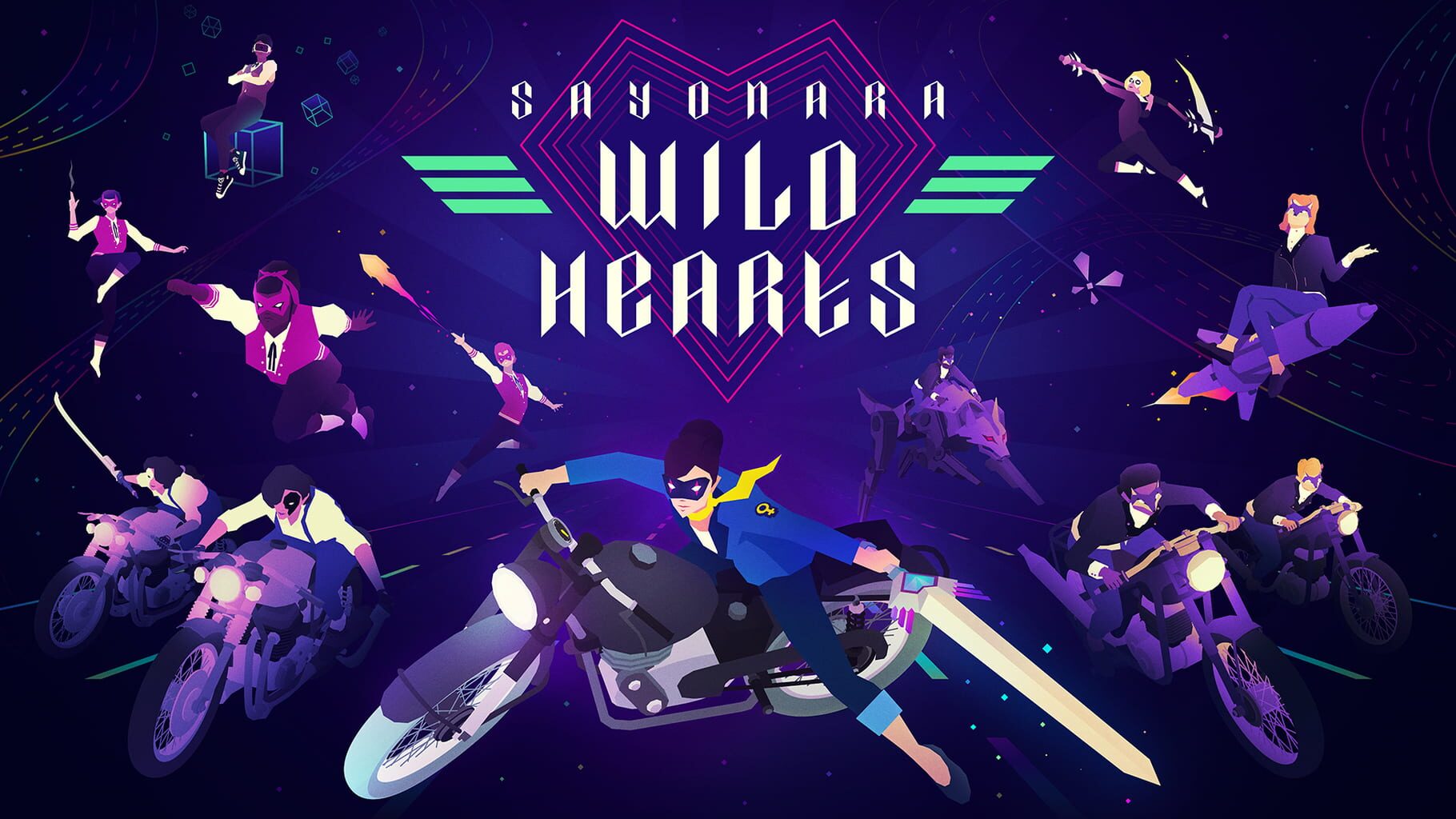
If your kid is used to the endless, soul-sucking grind of "forever games," Sayonara Wild Hearts is going to feel like a shock to the system. It is essentially a playable pop album that lasts about an hour and change. You don’t level up, you don’t buy skins, and you don’t chat with strangers. You just vibe. It’s the perfect counter-programming for a Saturday afternoon when they claim they’re bored but don’t want to commit to a 40-hour RPG.
The "One-Sitting" Power Move
We spend a lot of time worrying about screen time limits, but this game is one of the few that actually has a natural "off" switch. Because it’s structured like a concept album, the credits roll right when the emotional arc hits its peak. It’s a complete, self-contained experience. If they’re playing on a phone or tablet, it’s frequently ranked among the best Apple Arcade games for kids and short sessions because you can drop in for one three-minute "song" and feel like you actually accomplished something.
Rhythm as Gameplay, Not Just Background
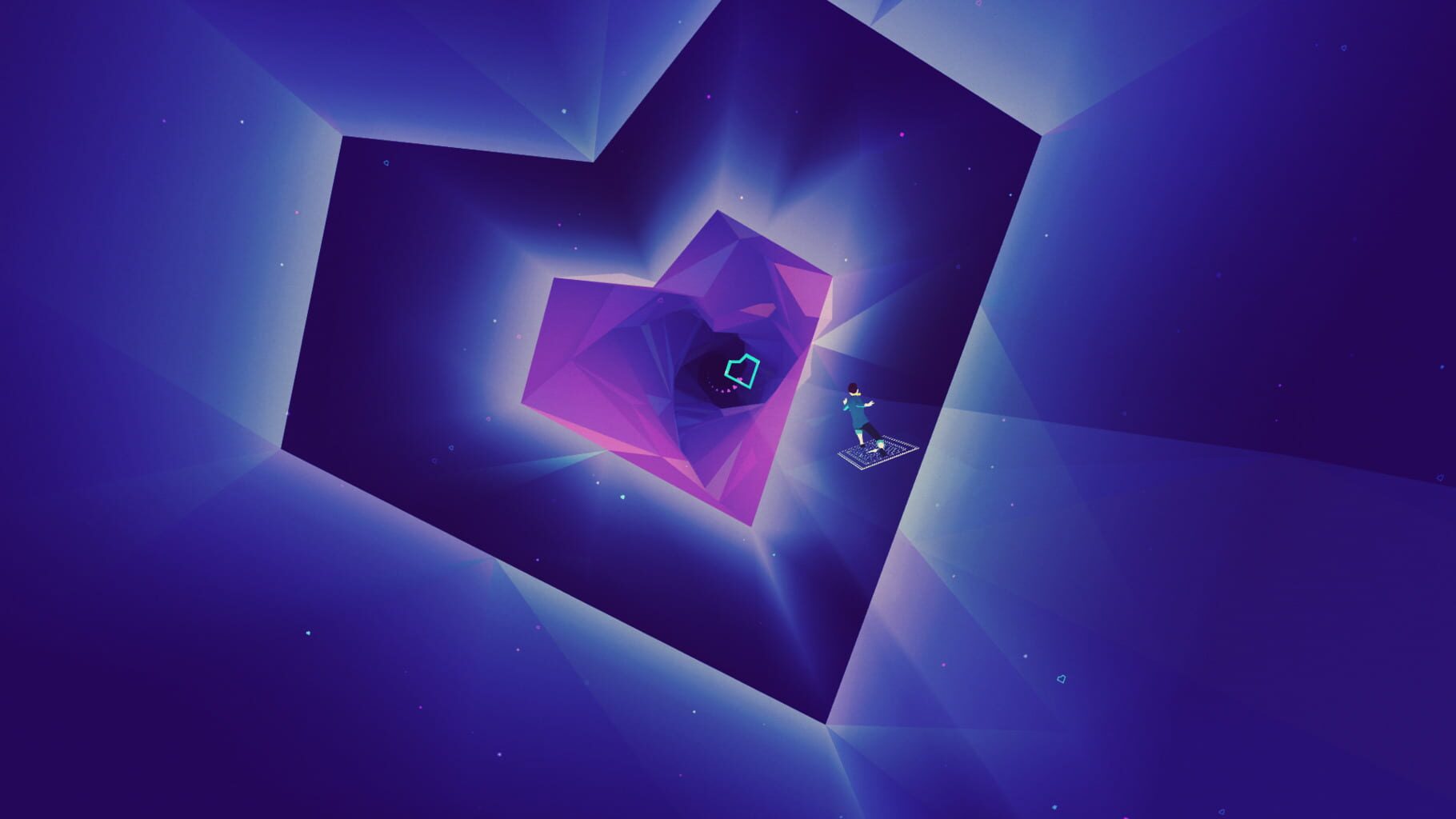
Most games use music to set the mood, but here, the music is the map. If you can’t feel the beat, you’re going to crash your motorcycle into a neon barrier. The game constantly shifts genres—one minute it’s a high-speed chase, the next it’s a rhythm-based dance battle or a psychedelic flight through a tunnel.
It is visually loud. The colors are saturated purples and hot pinks, and the camera moves with a cinematic flair that can be a bit much for anyone prone to motion sickness. For everyone else, it’s pure eye candy. The difficulty is generally forgiving—if you fail a section enough times, the game gently offers to let you skip to the next part—but chasing a high score requires genuine precision.
The Heartbreak Factor
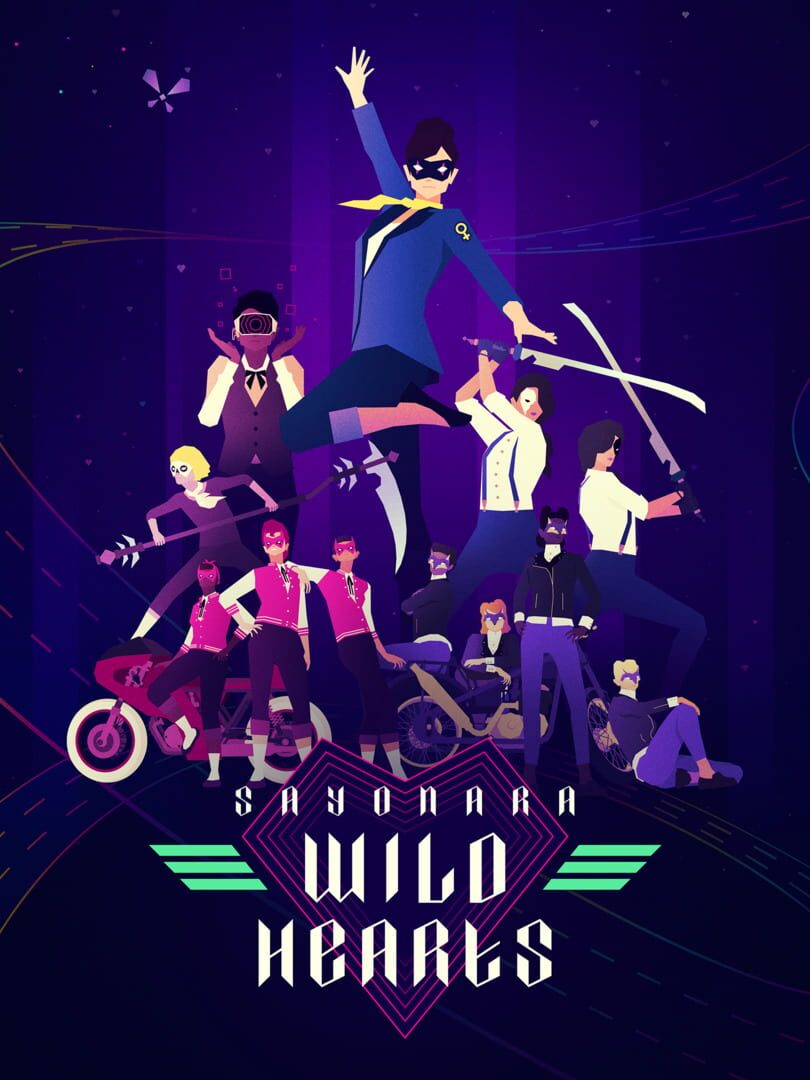
The "story" is told through abstract imagery rather than dialogue. There’s a breakup, a shattered heart, and a protagonist who has to fight her way back to self-love by defeating various masked "bosses" who represent different stages of grief or personality traits.
It’s a great way to introduce the idea of metaphor in media. You can ask your kid why they think the main character is riding a motorcycle through a city that’s literally falling apart, or what the different masks might represent. It treats the "end of the world" feeling of a first heartbreak with a level of respect and coolness that resonates with tweens without being cutesy or condescending.
Specific Friction
The only real "watch out" is the frustration level for kids who aren't great at twitch-reflex games. Some levels involve quick-time events—pressing a button exactly when a circle closes—and the speed can be dizzying. If your kid is the type to throw a controller when they miss a jump, they might need a reminder that the game is more about the journey than the perfect score. But since there’s no "game over" screen that forces you to restart from the beginning of the world, the stakes stay low enough to keep it fun.