The William Joyce factor
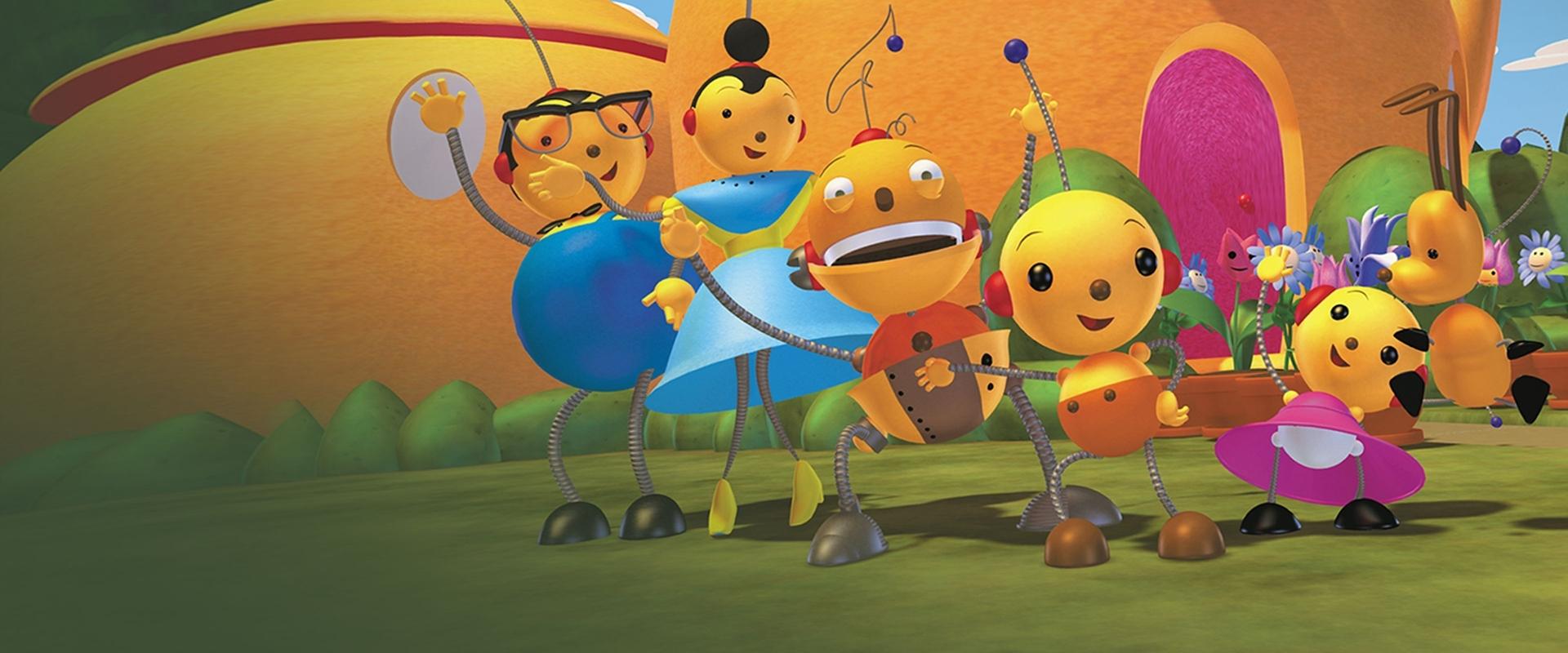
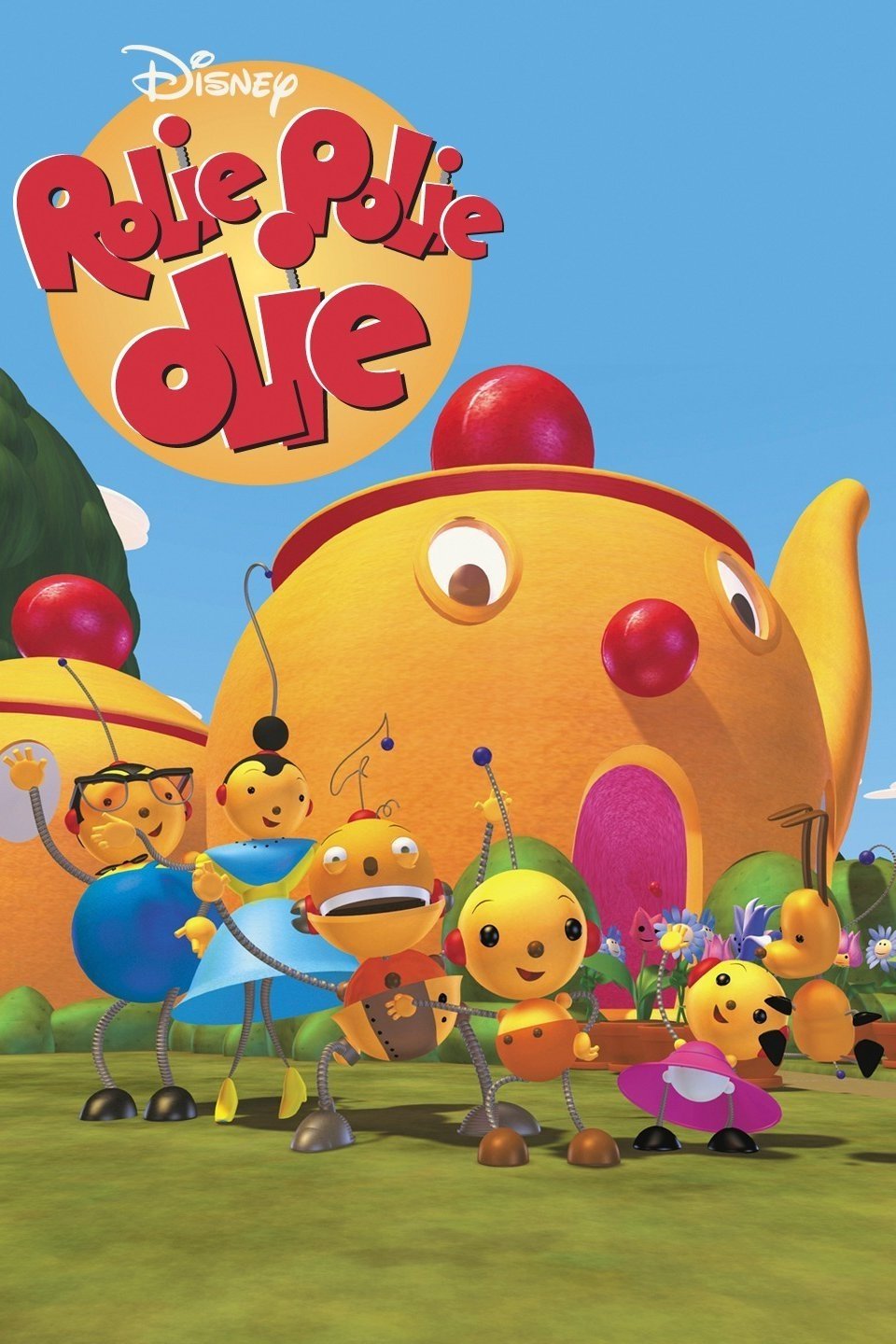
If you find yourself staring at the screen wondering why everything looks like a collection of billiard balls, blame William Joyce. He’s the creative force behind the show’s look, and while the 1998 CGI is undeniably primitive, the design itself is intentional. It’s a love letter to 1950s retro-futurism—think The Jetsons but with every sharp corner sanded down into a sphere.
This isn't just "old" animation; it’s a specific aesthetic choice that won a pile of Emmys for production design. For a modern kid, the lack of textures and detail might feel "broken" compared to the hyper-realistic fur on a Paw Patrol pup. But for a parent, there’s a weirdly soothing quality to a world where literally everything—the house, the car, the dog—is a geometric shape. It’s visual minimalism before that was a lifestyle trend.
The ultimate low-arousal show
We talk a lot about "gentle" media, but Rolie Polie Olie is the heavyweight champion of the category. There is a total absence of "villains" or even high-stakes misunderstandings. The conflict usually boils down to someone losing a ball or a robot getting the hiccups. In a media landscape where even preschool shows often rely on loud sound effects and rapid-fire cuts to keep kids engaged, this show is a sedative.
If your toddler is prone to overstimulation or you’re trying to wind down before a nap, this is a tactical win. It’s a "background" show in the best way possible. It doesn't demand intense focus, and because the pacing is so glacial, you don't have to worry about your kid getting "hooked" in a way that leads to a meltdown when you turn the TV off. For more on how to slot this into your routine, our parent’s guide to Rolie Polie Olie breaks down the "safe" factor further.
Why it feels "weird" to older kids
You might notice that kids over age five find this show unsettling or just plain boring. There’s a reason for that. The show operates on "toddler logic"—a wacky, rhyming world that makes perfect sense to a three-year-old but feels nonsensical to anyone who has developed a basic grasp of physics. The characters speak their own simplified language of "howdy-ho's" and "okie-dokie's" that can grate on adult ears after three episodes.
If your kid has graduated to the emotional complexity of Bluey or the fast-paced humor of Mickey Mouse Funhouse, they will likely bounce off this immediately. It’s too earnest for the current generation of "smart" kids' TV. However, if you have a very young toddler who is just starting to watch 10-minute stories, the simplicity is a feature, not a bug. It treats the audience like "intelligent human beings" by not over-explaining the world, even if that world is just a bunch of robots doing the "cha-cha."
How to use it
Don't make this a "family movie night" pick. You will be bored to tears. Instead, use it as a bridge. If you’re trying to move a kid away from high-energy YouTube sensory videos and toward narrative storytelling, Olie is a great middle ground. It has the bright colors and basic shapes of a "sensory" video but introduces actual characters and positive family dynamics. It’s a starter kit for following a plot, delivered in a package that won't make your head spin.