The Jeopardy! Glow-Up
For decades, Jeopardy! has been the gold standard for 'smart' TV, but let’s be honest: unless your kid is a history buff or a Shakespeare fan, they probably weren't clamoring to watch it. Pop Culture Jeopardy! changes the math by centering the game on things kids actually care about: movies, music, video games, and internet culture.
Why Teams Matter
The biggest shift here isn't just the questions—it's the three-person teams. In the traditional format, if you don't know the answer, you just stand there looking foolish. Here, the contestants huddle and whisper. This makes for a much better family viewing experience because it encourages your kids to shout out answers to you before the team on screen reaches a consensus. It models collaborative thinking in a way that feels natural, not educational.
The 'Jost' Factor
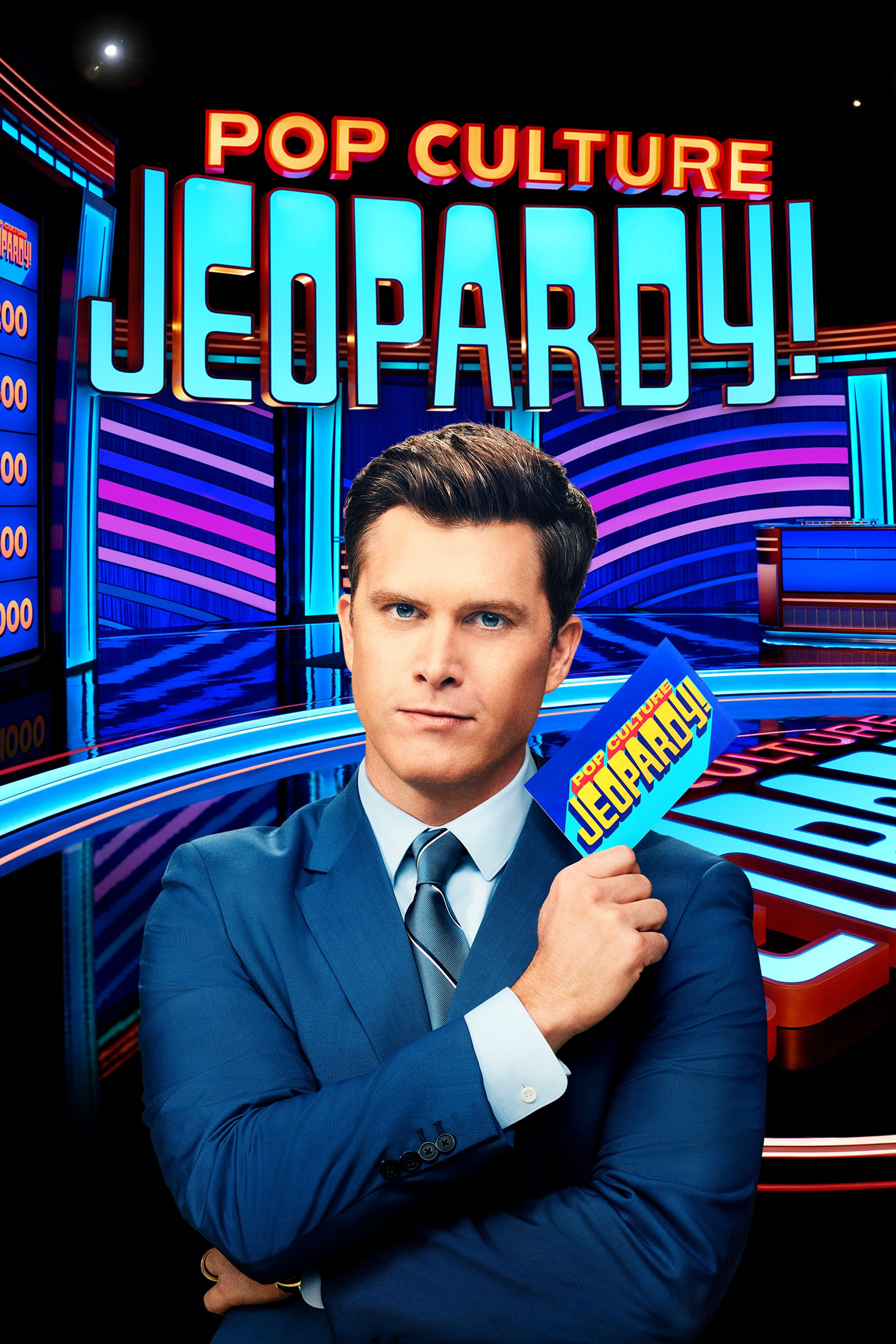
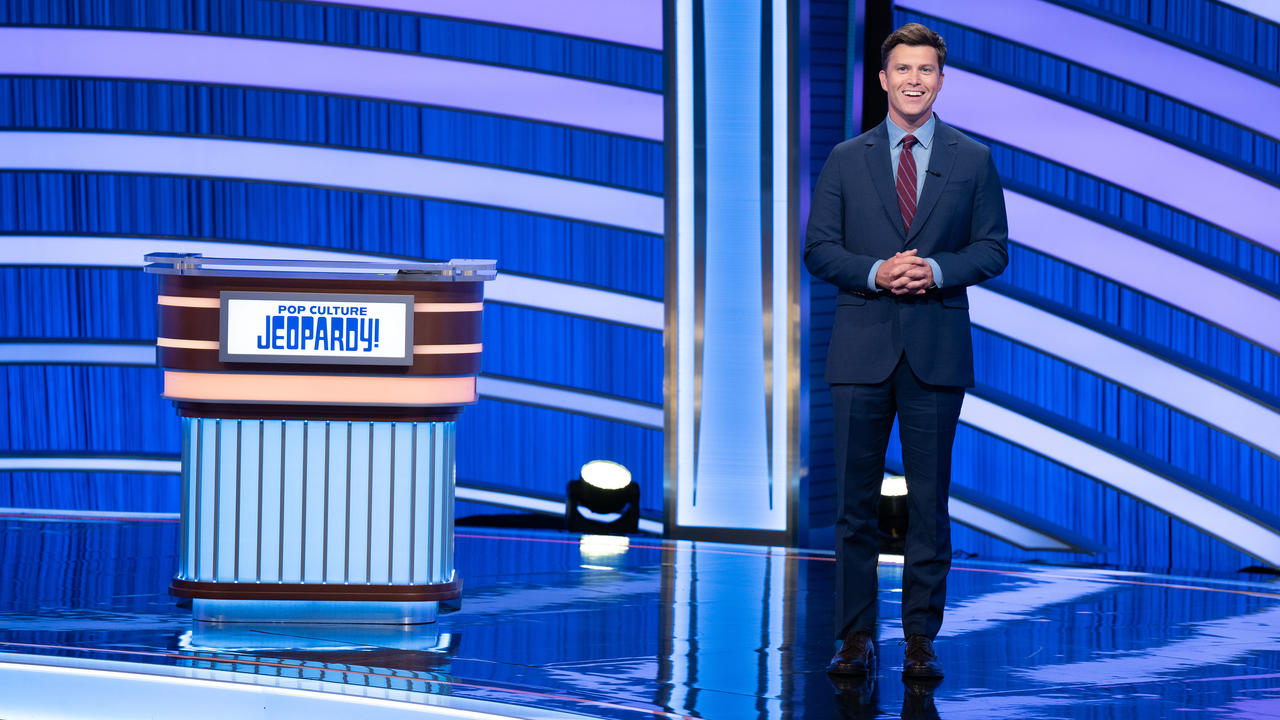
Colin Jost was a smart choice for host. He doesn't try to be the 'all-knowing' figure that Trebek was. He’s more like the guy at the party who happens to have the answer key. His humor is dry and very SNL-adjacent, which helps bridge the gap between the older audience who grew up with the show and the younger audience who just wants to see someone get a Daily Double on a category about Fortnite skins.
Is it 'Too Easy'?
Purists might argue that pop culture trivia is 'easier' than world history, but watching the speed at which these teams have to recall obscure directors or Grammy winners from five years ago proves otherwise. It’s a different kind of literacy, but it’s just as demanding. For a parent, it’s a great way to see what your kids are actually absorbing from the media they consume.