The prop-as-book phenomenon
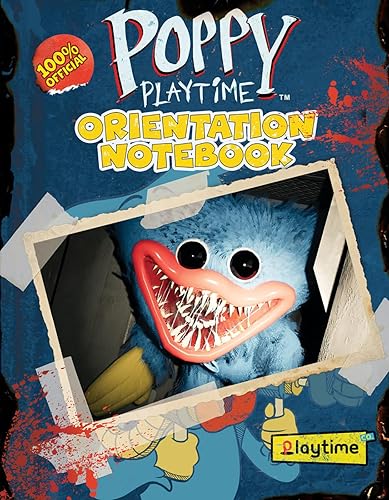
The smartest thing about this book is that it doesn't try to be a novel. It’s an artifact. For a generation of kids raised on "analog horror" and cryptic YouTube lore, a standard narrative feels slow. They want to feel like they’ve found something they weren't supposed to see. By framing this as a literal employee notebook—complete with "handwritten" scribbles, coffee stains, and redacted text—it taps into the same detective-brain energy that makes games like Five Nights at Freddy’s such a massive hit.
If your kid usually treats reading like a chore, this format is the cheat-code. It’s non-linear. They can flip to the page on Mommy Long Legs, scan an incident report, and jump back to the "safety" protocols. It respects their attention span by breaking the world-building into bite-sized, high-stakes documents.
Why the lore matters
We often see parents dismiss Poppy Playtime as just another "mascot horror" trend designed to sell plushies. While there’s plenty of merch, the actual story is surprisingly grim. This notebook provides the connective tissue that the games often leave vague. It moves the experience away from simple jump-scares and toward a more complex sci-fi horror mystery.
When kids talk about "the lore," they’re talking about the backstories of these monsters. This book details the transition of Playtime Co. from a dream-like toy factory into a corporate nightmare. For a 10-year-old, this is their first brush with dystopian fiction. It’s effectively "My First Corporate Conspiracy," and the notebook format makes those heavy themes feel like a game of hide-and-seek.
The YouTube-to-paper pipeline
Most kids find their way to this book through "Let's Play" videos or fan theories. There is a specific kind of digital exhaustion that sets in after hours of watching influencers scream at Huggy Wuggy. This book acts as a necessary cool-down. It allows them to engage with the characters they love without the sensory overload of a screen.
It's worth noting that while Scholastic targets the 12+ demographic, the 4.8-star Amazon rating is driven largely by parents of 9- and 10-year-olds. If you're trying to decide if the content is too intense, check out our Parent's Guide to the Poppy Playtime Orientation Notebook for a breakdown of the specific "incident reports" that might keep a sensitive kid awake.
If they liked this, what’s next?
If this notebook is a hit, you’ve effectively found a gateway into the mystery-horror genre. You don’t have to stay in the world of viral video games. This "found document" style is a direct path to things like the Gravity Falls journals or even classic mystery novels that use maps and clues.
The Orientation Notebook succeeds because it doesn't talk down to its audience. It assumes the reader is smart enough to piece together the clues and brave enough to handle the uncanny imagery of a smiling blue monster with too many teeth. It’s a solid, tactile win for a franchise that usually lives entirely behind a glass screen.