The vampire as a high-end junkie
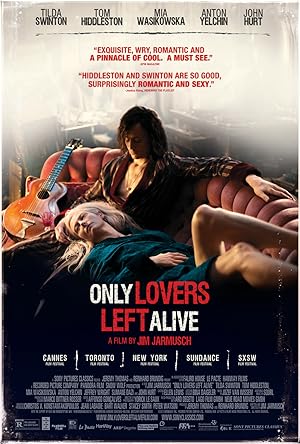
If you’re expecting a creature feature or a Gothic romance, you’re looking at the wrong map. This film treats vampirism as a metaphor for addiction and elite cultural exhaustion. Instead of hunting victims in alleys, the protagonists treat blood like a controlled substance. They source "the good stuff" from hospital labs—O-negative, pharmacy-grade—and consume it from crystal cordial glasses with the ritualistic precision of an IV drug user.
When they finally get a "hit," they don't growl; they lean back in a slow-motion, opiate-style swoon. It’s a specific kind of cool that borders on the ridiculous, but the film is so committed to its own aesthetic that it mostly works. If your teen is going through a phase of wearing velvet and listening to vinyl, they’ll think this is the peak of human achievement. Everyone else might find the "blood popsicles" a bit much.
A movie about "zombies" (but not the ones you think)
The most interesting friction here is how the vampires view us. They refer to regular humans as "zombies"—not because we’re undead, but because we’re mindless, destructive, and have stopped paying attention to the beauty of the world. It’s a snobbish, high-brow critique of modern life that will either resonate with your inner cynic or make you want to roll your eyes.
The conflict doesn't come from a vampire hunter or a rival coven. The threat is simply contamination. In a world where humans have "polluted their own blood," the vampires are struggling to find a clean supply. It turns a supernatural horror trope into an environmental and public health crisis. This is a movie for the kid who wants to talk about the decay of the American city or the "death of art," rather than someone looking for vampire movies for teens that actually have a plot.
The "nothing happens" appeal
You have to be in a very specific mood for this. It’s a "hangout movie" where the people you’re hanging out with happen to be immortal, depressed, and incredibly well-read. There is a younger sister character who arrives to stir up trouble, but even her "chaos" feels muted by the film’s overwhelming melancholy.
- The Music: Since the main character is a reclusive musician, the soundtrack is front-and-center. It’s heavy on drone, feedback, and world music. It’s great, but it’s essentially a character in itself.
- The Pacing: If you’re checking your phone ten minutes in, just turn it off. It doesn't speed up. The movie is designed to be a trance.
If you have a student interested in cinematography or production design, it’s a masterclass. The way the camera lingers on cluttered apartments filled with 1960s recording gear and ancient books is gorgeous. But for a casual Friday night? It’s a gamble. This is a film you watch when you want to feel smarter than the movie you watched last week, not when you want to be entertained in the traditional sense.