Why kids get so locked in on math cubes
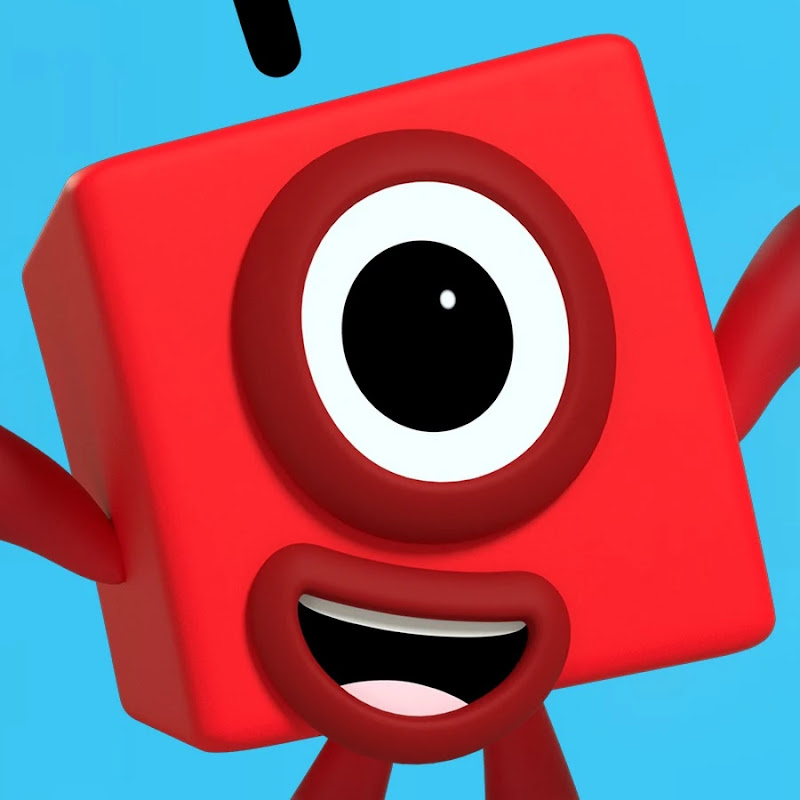
Most preschool math shows treat numbers like vocabulary words: a character points at three apples, says "three," and moves on. Numberblocks treats numbers like physical architecture.
Because the characters' bodies literally rearrange when they change shape, kids pick up spatial math concepts almost by accident:
- Subitizing (recognizing a quantity without counting one by one): Kids instantly recognize Five by her star-gloved hand and tall blue tower, or Four by his compact 2x2 square grid.
- Conservation of number: Tall skinny Three and L-shaped Three are the exact same character, showing kids that changing an object's arrangement doesn't change how much of it there is.
- Visual factoring: Characters like Twelve and Eighteen constantly snap their blocks into different grid arrays (2x6, 3x4) with glowing rays, turning division and factors into a visual superpower.
The YouTube problem: Official channel vs. the algorithm
On broadcast television or a closed streaming app, Numberblocks runs in a neat, sequential curriculum from Series 1 to Series 5. On YouTube, the official channel runs like a contenthose. With over 2,600 uploads, they post daily mashups, #shorts, and themed compilations alongside full episodes labeled by their curriculum tiers (like "Level 5, Blue").
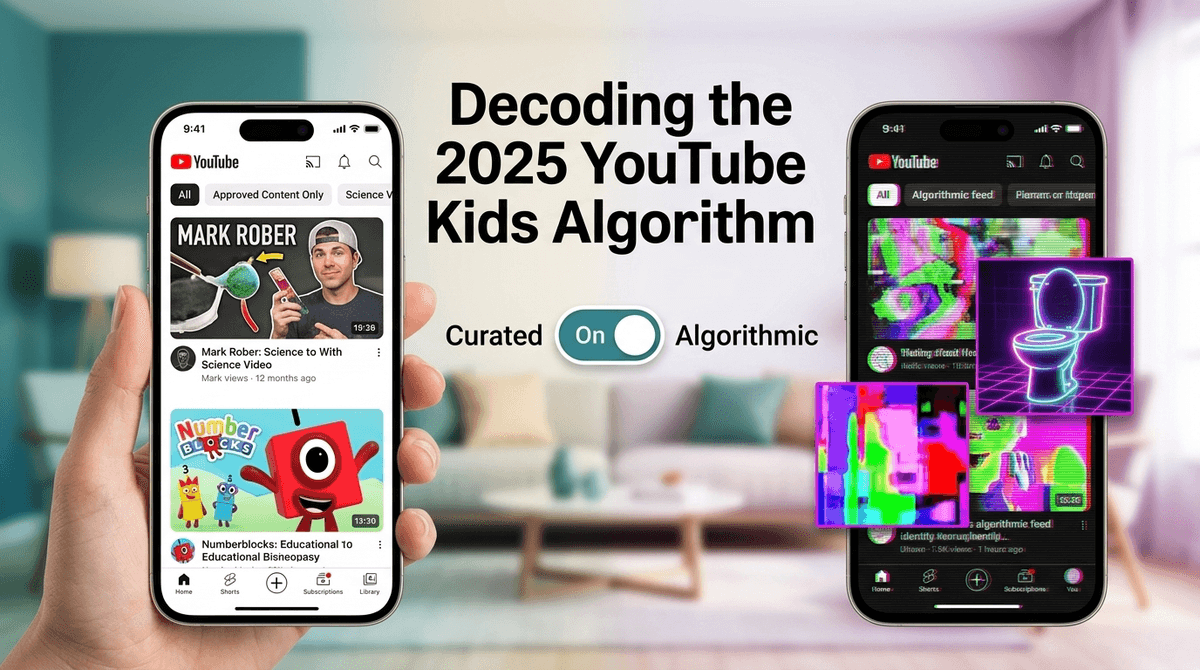
The bigger headache isn't the official channel's clutter—it's the parasitic ecosystem around it. Because a Numberblock is just a colored square with eyes, anyone with basic animation software can make their own. Search "Numberblocks" on open YouTube without restrictions, and right below the official Blocks Universe content you'll find fan-made brain rot: endless videos counting to infinity, distorted audio remixes, and crossover videos mixing Numberblocks with horror games.
If you use the YouTube channel, use a locked-down profile (like YouTube Kids set to Approved Content Only with just the official channel whitelisted), and navigate directly to the channel's Playlists tab so your kid watches the levels in order rather than jumping from learning what "One" is straight into Sixty playing rocket-powered base-10 games.
Bring it off the screen
The smartest move with Numberblocks is buying a set of standard 2cm linking cubes (Learning Resources makes official branded ones with face stickers, though a generic bulk tub of 100 MathLink cubes costs half as much and works the same). Co-watch an episode or two, put a pile of blocks between you on the floor, and build the characters together as they combine on screen. Once a kid realizes they can physically snap Three and Four together to make rainbow-haired Seven in real life, the screen becomes optional.