Our reviews and ratings are 100% unbiased. Screenwise is a Bookshop.org affiliate and an Amazon Associate, so if you buy a book through one of our links, we may earn a commission. Bookshop.org purchases also support independent bookstores.
Screenwise Verdict
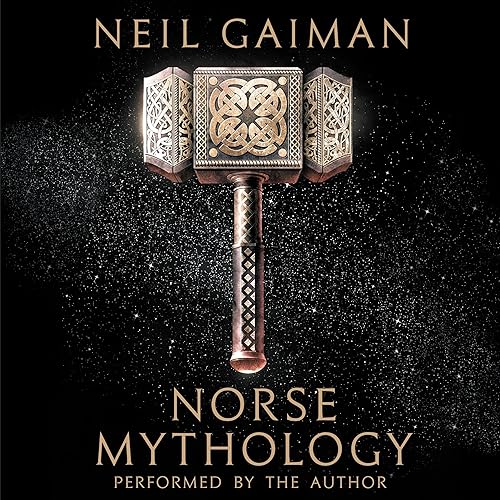
This is the Norse mythology book you want your kid to read. Gaiman respects both the source material and his readers—he doesn't sanitize the violence or sex, but he doesn't sensationalize it either. The result is mythology that feels true.
It's educational without being dry, entertaining without being shallow. Kids who loved Percy Jackson and are ready for something meatier will devour this. It's also short enough (under 300 pages) that it won't intimidate reluctant readers.
The main caveat: these are ancient myths, so expect ancient values. Gods solve problems with violence, trickery is celebrated, and everyone drinks a lot of mead. But that's kind of the point—understanding how different cultures saw the world. Gaiman trusts readers to handle it, and most 10+ kids absolutely can.
High school English teachers love assigning this. Parents of mythology-obsessed kids swear by it. It's become the definitive modern retelling for good reason.
Age Fit
Best for ages 10-12 and up, depending on maturity. Kids ready for authentic mythology (not the Disney version) will love this. Adults will too—Gaiman's storytelling transcends age boundaries, making this a genuine all-ages read for those past elementary school.
WISE Breakdown
Wholesome
68
Gaiman's retelling maintains the spirit of the original myths without gratuitous detail, but these are Norse myths—violence, treachery, drinking, and sexual themes are baked in. Thor kills giants with his hammer, Loki manipulates everyone, and the gods behave badly. The tone is matter-of-fact rather than glorifying, and the violence isn't graphic enough to disturb most readers per Common Sense Media, but this isn't a sanitized fairy tale collection either.
Imaginative
92
Ancient mythology filtered through one of the best fantasy storytellers alive. Gaiman transforms primeval tales into a novelistic arc spanning nine worlds, cosmic creation, and Ragnarok. The gods are vividly drawn—Odin the cunning, Thor the strong but not-so-bright, Loki the trickster. It's mythology that breathes, inviting readers into a world of giants, dwarves, magic, and cosmic consequences. Sparks curiosity about ancient stories and how they echo through modern fantasy.
Safe
72
No surprise content—anyone picking up Norse mythology knows what they're getting. Violence is present but not graphically described; sexual themes exist but aren't explicit. Common Sense Media notes the mayhem won't disturb most readers. Kid reviewers mention violence and sex are 'definitely there' but not detailed in most stories. This is mythology, not a horror novel—the content is thematically mature but narratively restrained. Not for young kids, but older readers know what to expect.
Enriching
88
Direct access to foundational Western mythology that has influenced countless modern stories, from Marvel's Thor to Lord of the Rings. Readers gain cultural literacy, see how ancient peoples understood fate, honor, trickery, and cosmic cycles. The gods are flawed and human-like, offering insights into character and consequence. Gaiman stays faithful to the source material while making it accessible—this is education disguised as entertainment. Strong 4.5 Amazon rating suggests broad appeal.
Parent Info
✓
Why It Might Be Great
Gaiman's prose makes ancient myths feel immediate and alive—accessible without dumbing down
Cultural foundation for understanding countless modern fantasy stories, from Marvel to Tolkien
Gods are flawed, relatable characters rather than distant figures—Loki schemes, Thor smashes, Odin plots
Covers the full arc from creation to Ragnarok, giving readers the complete mythological story
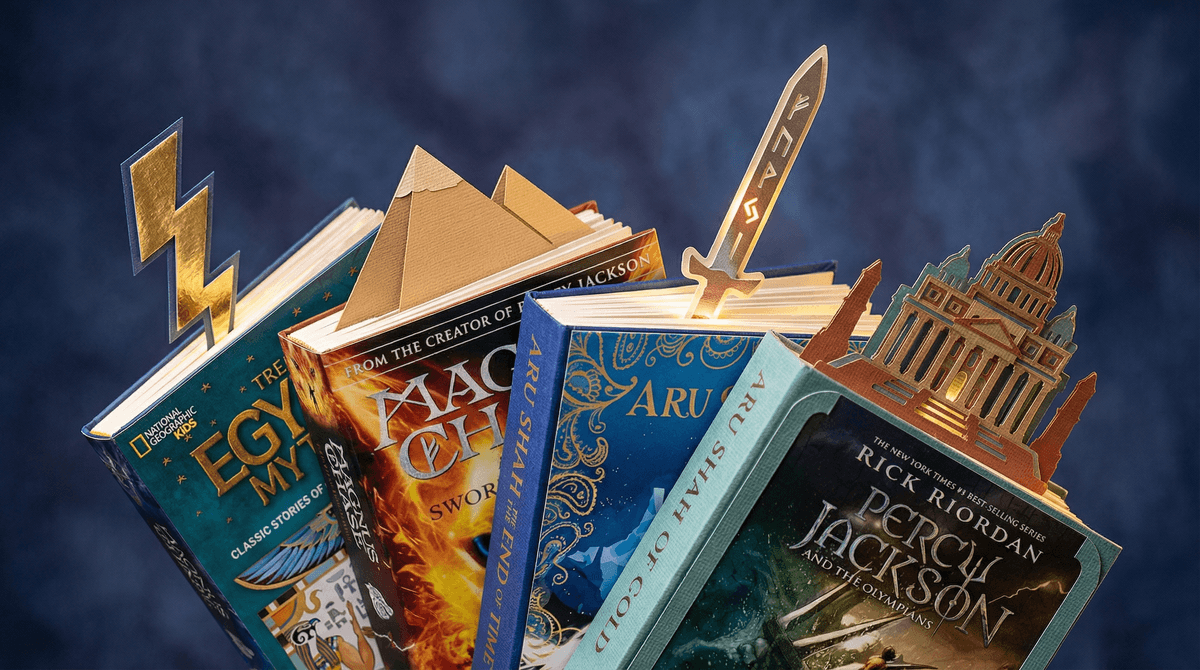
Perfect length for middle schoolers ready to graduate from Percy Jackson to the real deal
⚠
What to Watch For
Violence is present throughout—Thor's hammer solves most problems, and not gently
Sexual themes and references appear (gods seduce, marry, have affairs) but aren't explicit
Drinking, treachery, and morally gray behavior are standard operating procedure for these gods
Some kids find the episodic structure less gripping than a single narrative—these are linked stories, not a novel
Conversation Starters
"Why do you think the Norse gods are so flawed compared to how we usually think of gods?"
"Loki causes most of the problems but also solves them—is he a villain or something more complicated?"
"How do you think people used these stories to make sense of their world before science?"
"Which god would you want on your side in a crisis, and why?"
"The gods know Ragnarok is coming but can't stop it—how would you handle knowing the future?"