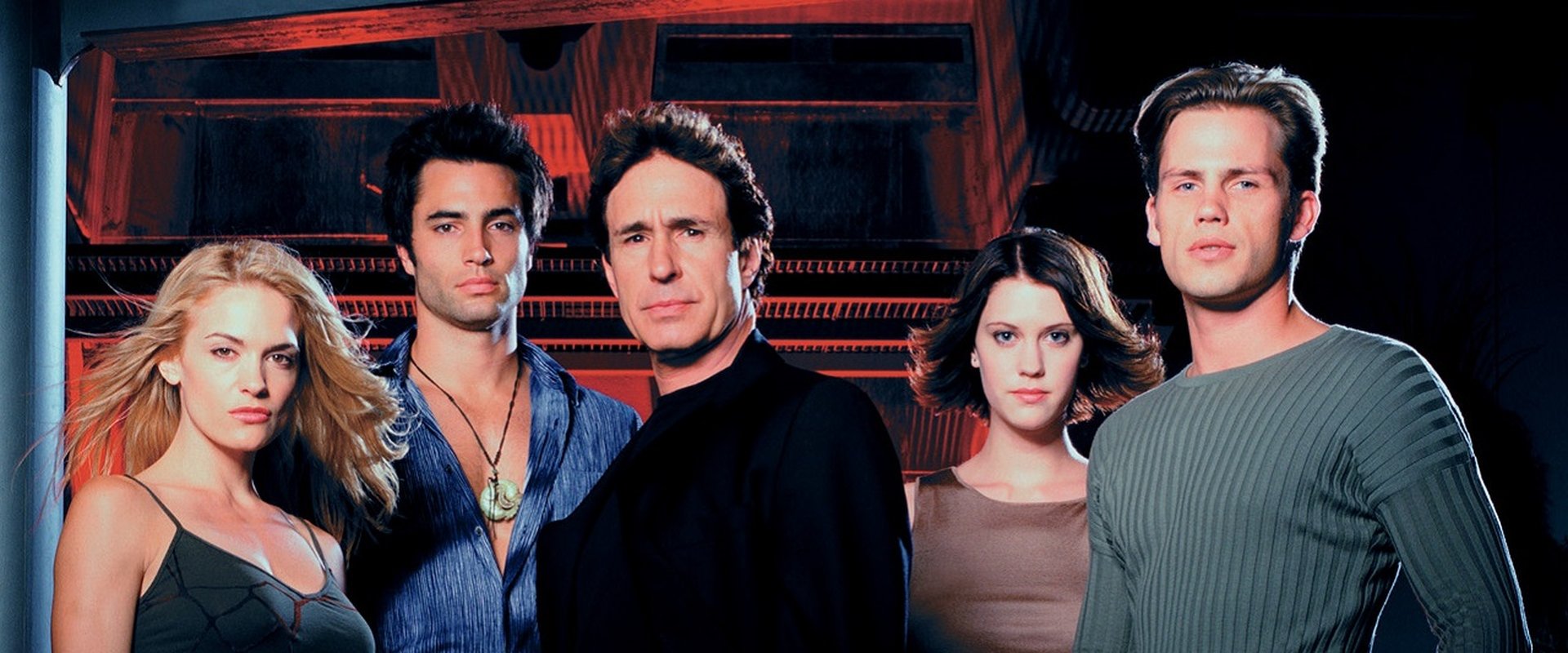
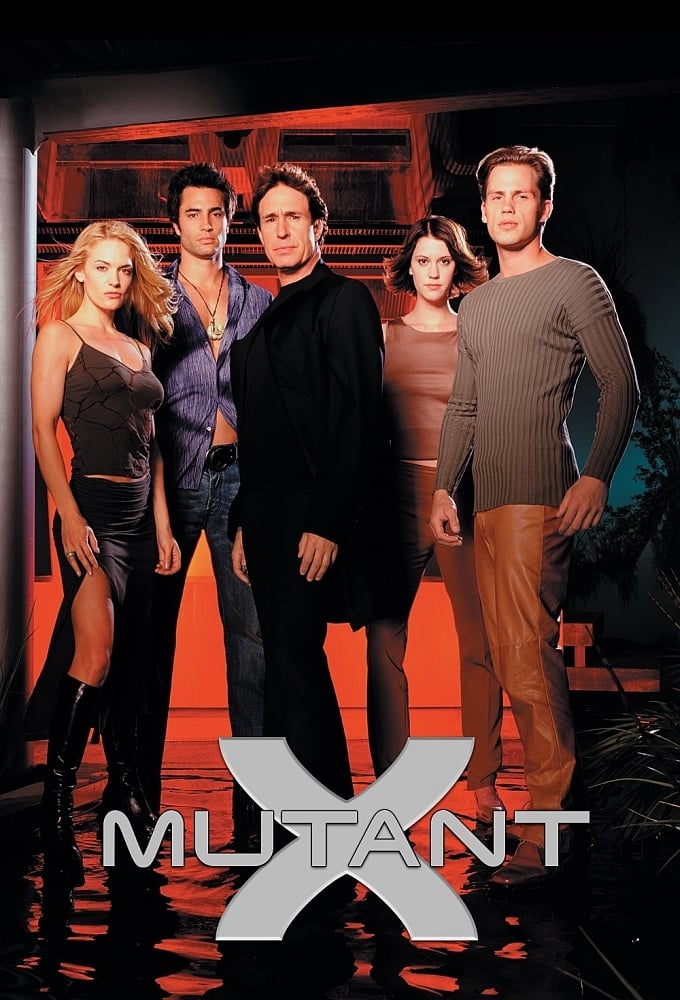
The "Discount X-Men" Aesthetic
To understand Mutant X, you have to remember the specific cultural vacuum of 2001. The first X-Men movie had just turned superheroes into a billion-dollar industry, and every production company in Hollywood was scrambling for a piece of the "leather-clad outcasts with powers" pie. This show is the result of that scramble. It was filmed in Toronto, which in the early 2000s meant every episode featured the same three industrial warehouses and a lot of very damp-looking alleyways.
The show leans heavily into the Matrix-lite vibe that defined the era. Expect a lot of slow-motion "wire-fu" kicks, unnecessary backflips, and characters who never met a floor-length leather duster they didn't like. If your kid is used to the high-gloss, $200-million-dollar spectacle of modern Marvel movies, the transition to Mutant X will be jarring. The special effects are less "magic" and more "early Photoshop filter." It’s the kind of show where a character’s "electric blast" looks like a static-filled screensaver.
Why the "New Mutant" Angle Matters
The premise centers on genetic engineering rather than natural evolution. This was a clever way to skirt around the fact that they didn't actually have the rights to use the word "mutant" in the way Marvel did at the time. Instead, we get "New Mutants" created by a shadowy government agency.
If you are looking for a way to talk about ethics in science, this is actually a decent, if blunt, starting point. The show doesn't do nuance well, but it does hammer home the idea of bodily autonomy. The heroes are essentially reclaimed test subjects. For a ten-year-old, the "us against the adults who messed up the world" trope is evergreen. It’s the same DNA you find in The Hunger Games or Percy Jackson, just wrapped in a much cheaper, more dated package.
The Fireworks Entertainment Problem
The biggest friction point for a modern viewer isn't the bad CGI; it’s the abruptness of the ending. Most shows that get cancelled have a "burn-off" period or at least a sense that the end is coming. Mutant X was a victim of corporate restructuring. Because Fireworks Entertainment was dismantled, the show just stops.
There is no series finale. There is no resolution to the various romantic tensions or the overarching conspiracy. It ends on a cliffhanger that will never be resolved. If your kid is the type who needs closure and gets frustrated when a story doesn't have a "real" ending, this will be an exercise in annoyance. You are essentially inviting them to watch 66 episodes of a story that has the last chapter ripped out.
Better Ways to Scratch the Itch
If your kid is genuinely interested in the "team of outcasts" dynamic, you’re better off pointing them toward more modern, cohesive iterations of this trope. Mutant X is a relic—interesting as a time capsule of what TV looked like before the "Golden Age" of streaming, but not particularly rewarding as a standalone narrative.
If they want the "found family" vibe:
- Modern animated superhero series usually handle the "team mechanics" with much better writing.
- If it’s the live-action powers they want, almost anything on a major streaming service from the last five years will have higher production values and more consistent internal logic.
The 5.8 IMDb score is a fair warning. This is "background noise" television. It’s the kind of thing you have on a second screen while doing something else. If you decide to dive in because it's free on Tubi or Plex, go in with the expectation of a "so-bad-it's-fun" nostalgia trip rather than a prestige drama.