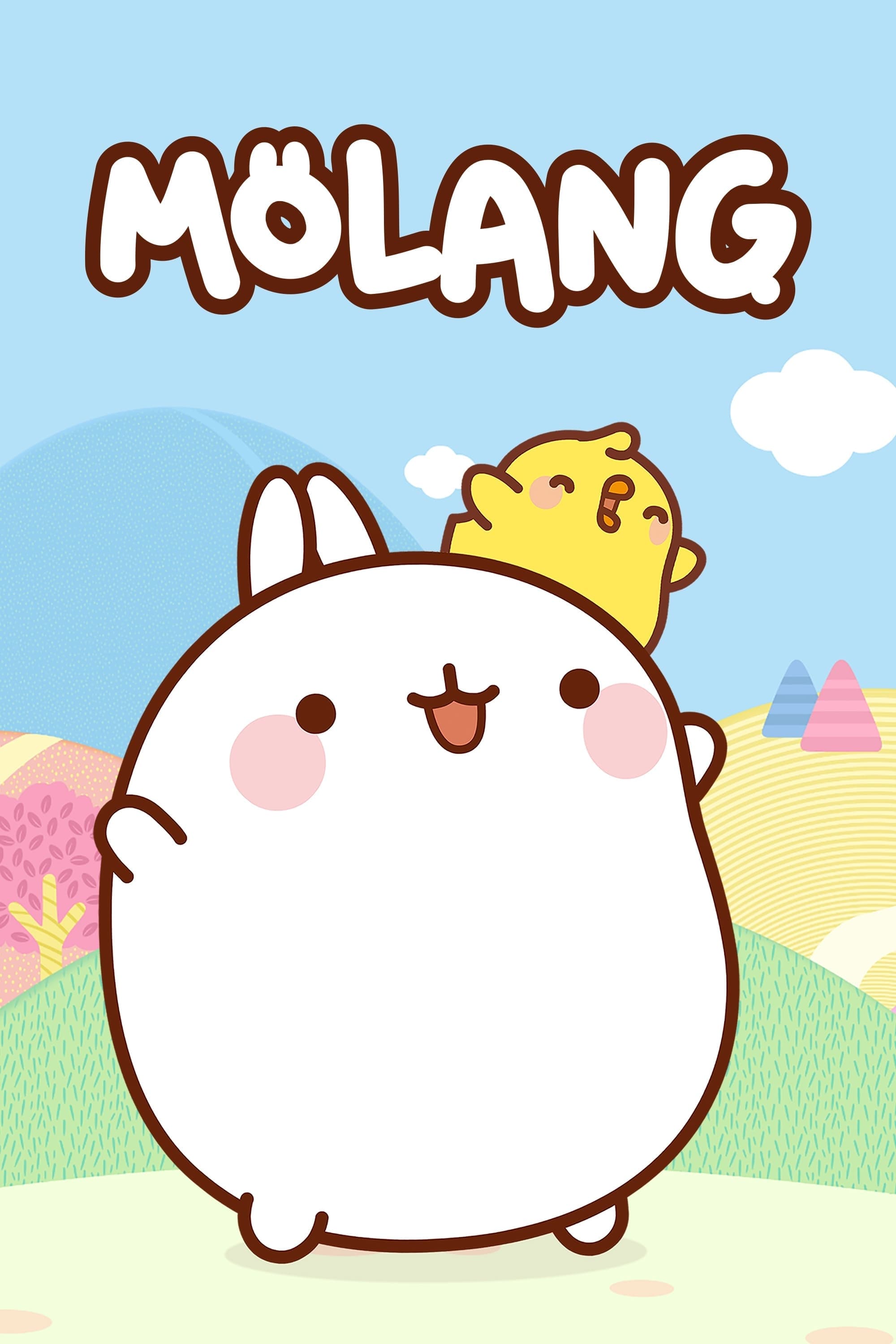
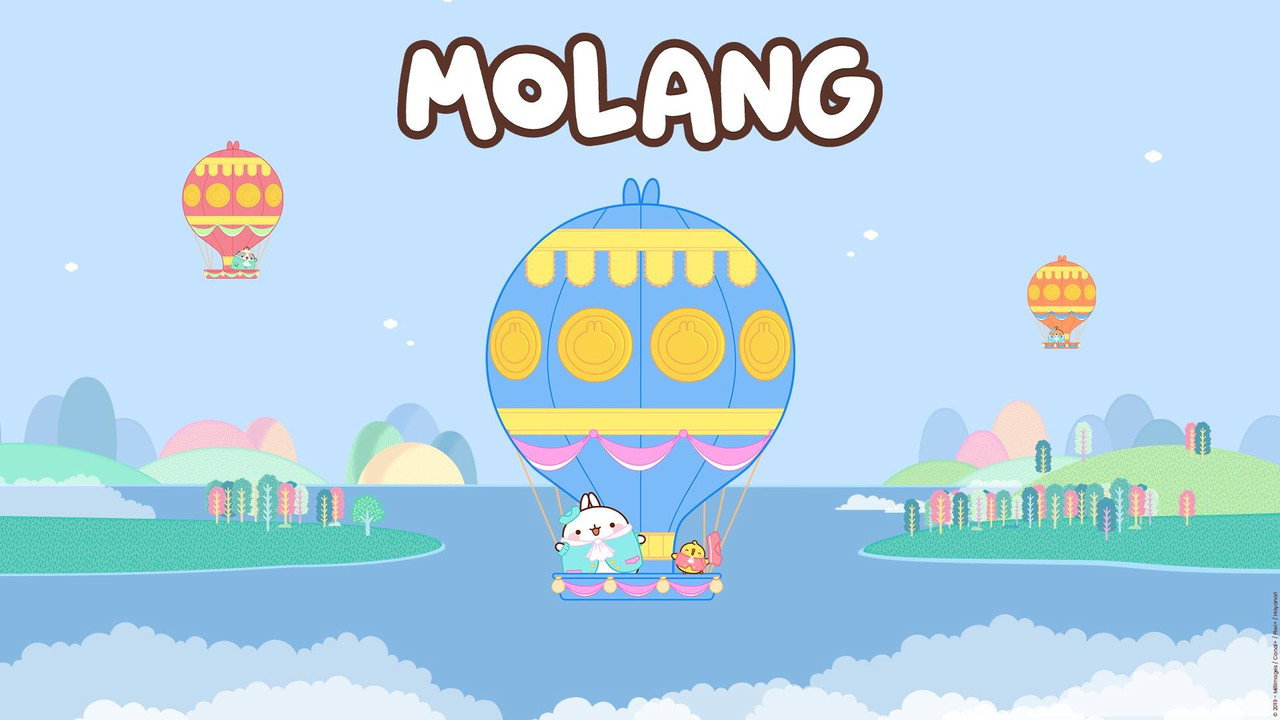
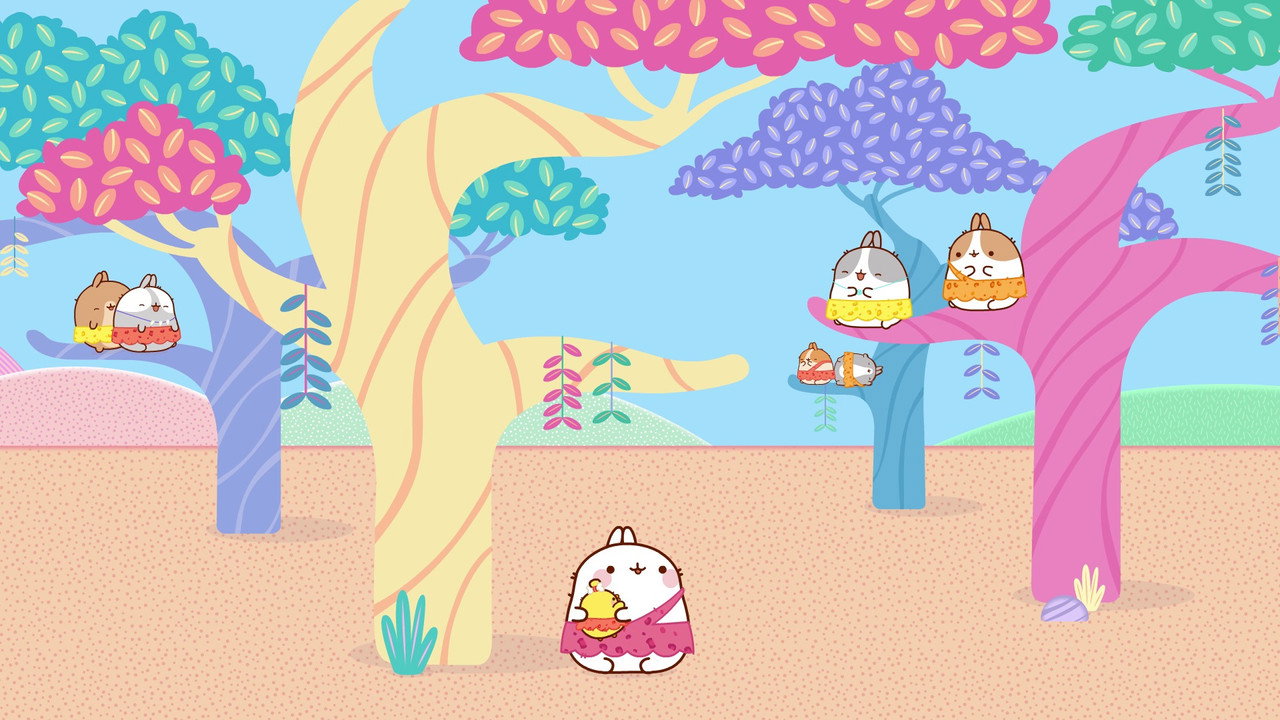
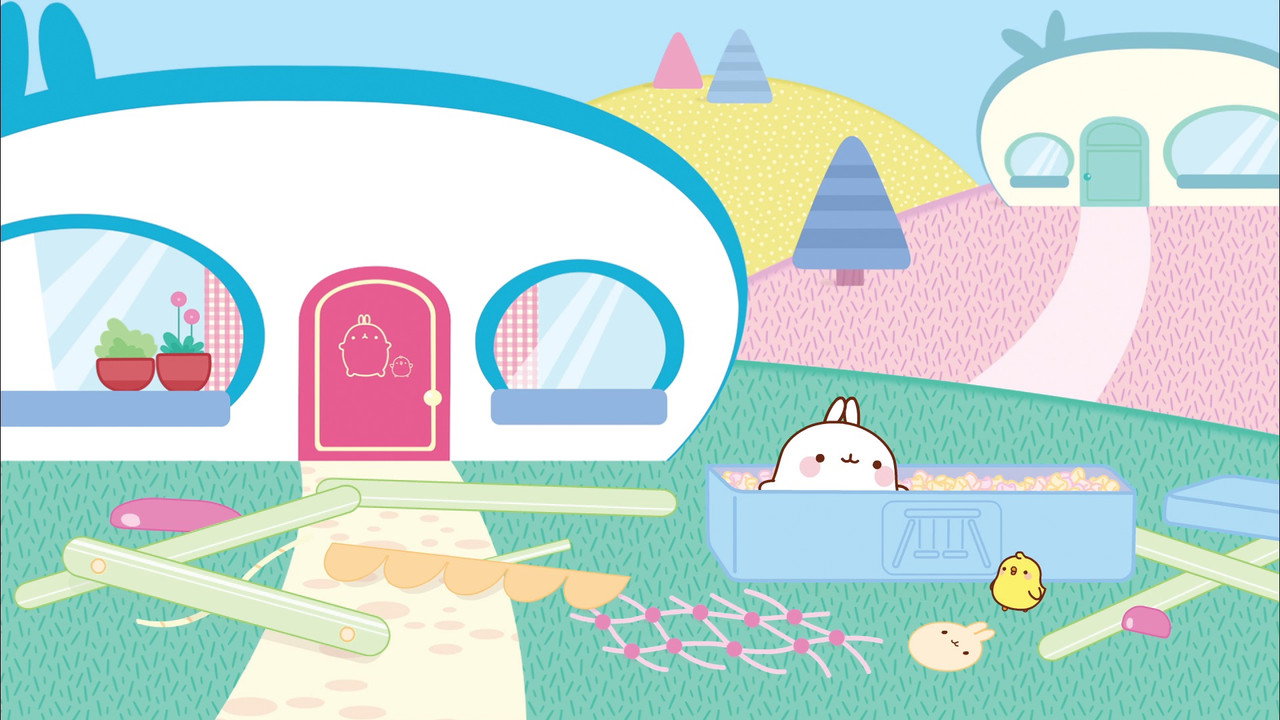
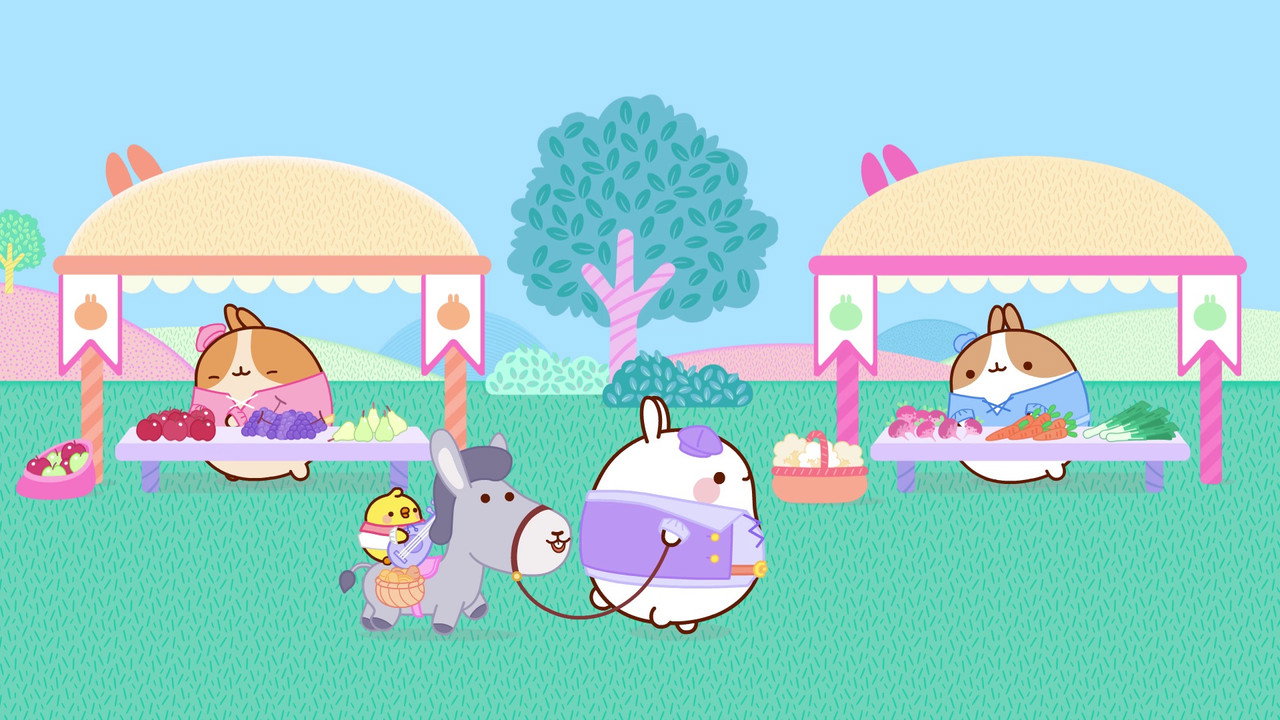
Molang is effectively the lo-fi girl of preschool television. If your living room currently feels like a high-decibel construction site, this show is the reset button. It’s a pastel-drenched, round-edged world where the stakes are low and the empathy is high. While other shows for the three-and-up crowd rely on frantic editing and neon color palettes to keep eyes glued, Molang bets on the idea that a rabbit and a chick being nice to each other is enough.
The "Anti-Chaos" Choice
The visual language here is borrowed heavily from "kawaii" culture—think Hello Kitty or Rilakkuma—which means everything is soft, simple, and intentionally calming. This isn't just an aesthetic choice; it's a functional one for parents. Because the characters speak "Molangese"—a gibberish dialect that sounds like a mix of French, Italian, and nonsense—kids have to pay attention to facial expressions and body language to follow the plot.
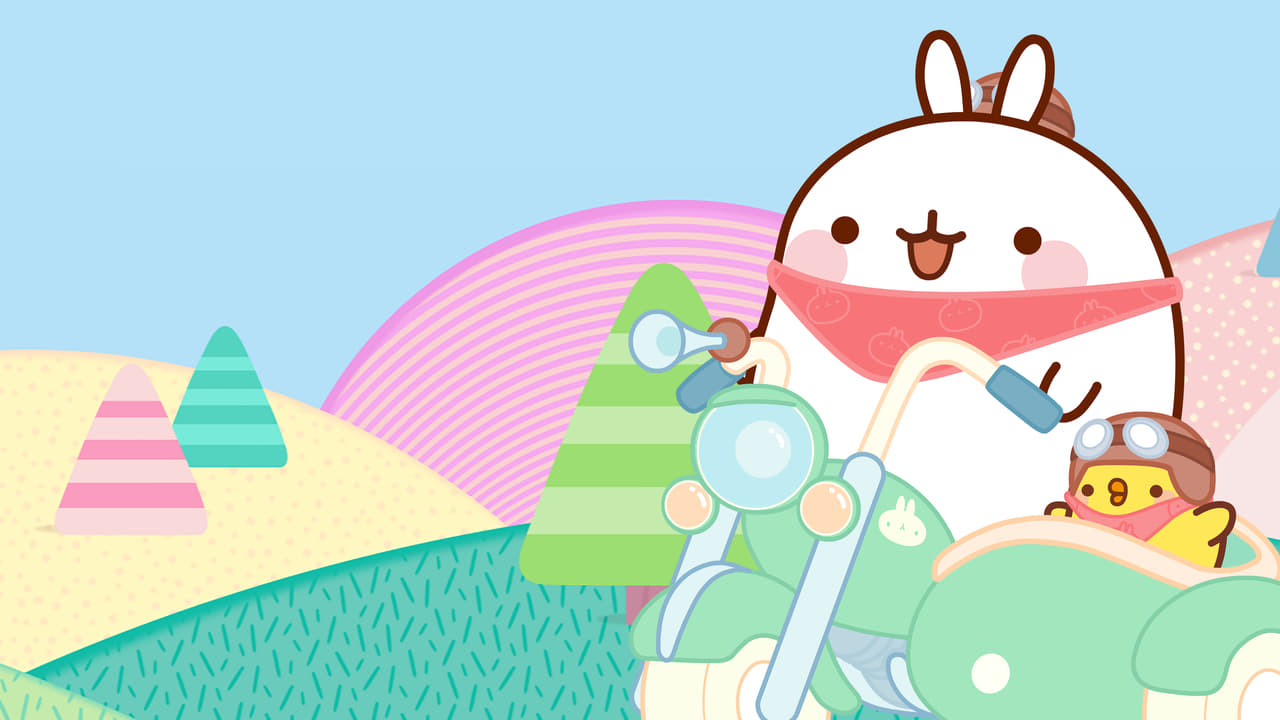
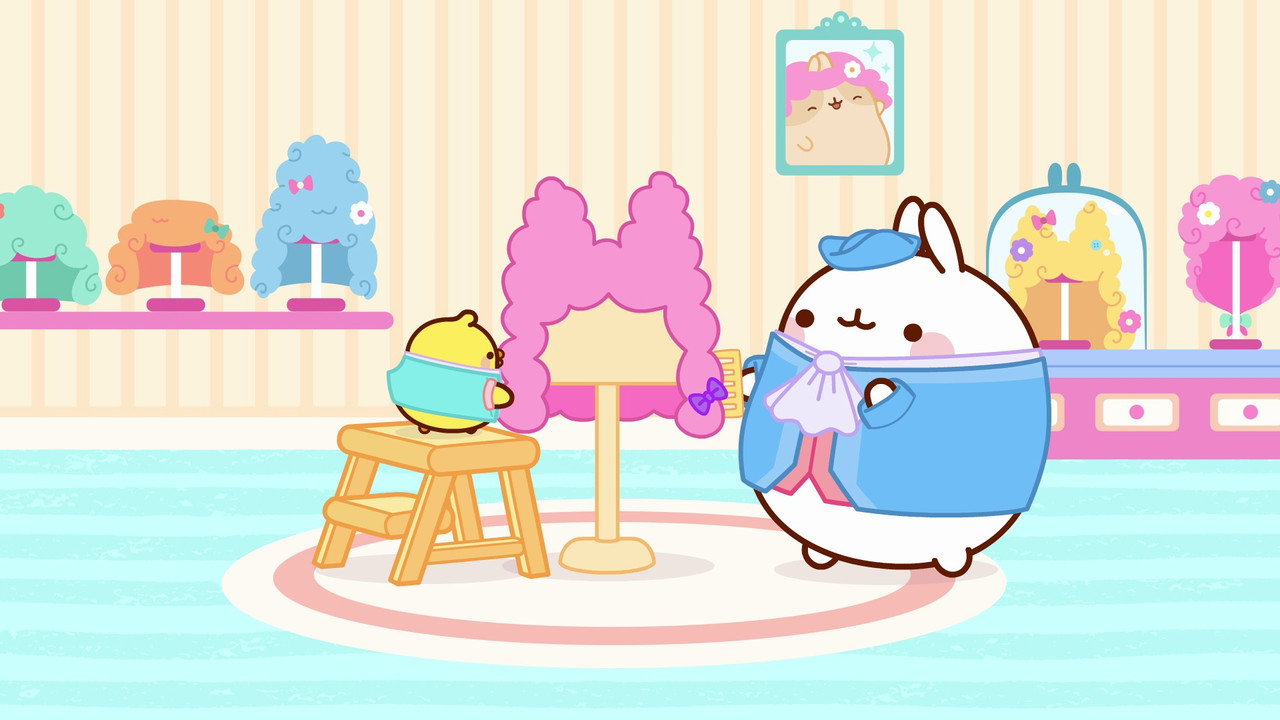
It’s a masterclass in visual storytelling. You’ll see Piu Piu (the tiny chick) get anxious about a situation, and you’ll see Molang (the rabbit) navigate that anxiety with a hug or a creative solution. For a toddler, this is a more effective way to learn about feelings than a talking truck shouting about "friendship" for twenty minutes.
The Five-Minute Strategy
The runtime is the secret weapon here. Most episodes are roughly five minutes long, making this the perfect transition tool. If you need to get a kid from the couch to the bathtub without a meltdown, "one more episode" of Molang only costs you a few minutes. It’s much easier to manage boundaries when the narrative loops are short.
The show also holds a solid 8.3 on IMDb, which is exceptionally high for a show with zero dialogue. That score reflects a certain level of craft that parents appreciate: the music is pleasant rather than ear-wormy, and the humor actually lands. It’s slapstick, but it’s gentle slapstick. Nobody is getting hurt, and nobody is being mean-spirited for a laugh.
Better Than the Alternatives
If your kid is aging out of Bluey or finding Puffin Rock a bit too slow, Molang sits in a comfortable middle ground. It has more energy than a traditional "sleepy" show but none of the frantic anxiety of something like Blippi.
It’s also one of the few shows that works across a wide developmental gap. A two-year-old likes the colors and the bouncy movements; a five-year-old follows the logic of the "misunderstandings" mentioned in the synopsis. If you’re looking for a show that won't make you want to hide the remote, this is a top-tier choice. You can find it across almost every major streaming platform, from Netflix to specialized kids' channels on Amazon. It’s ubiquitous for a reason: it’s the rare piece of media that treats a child’s attention span with respect.