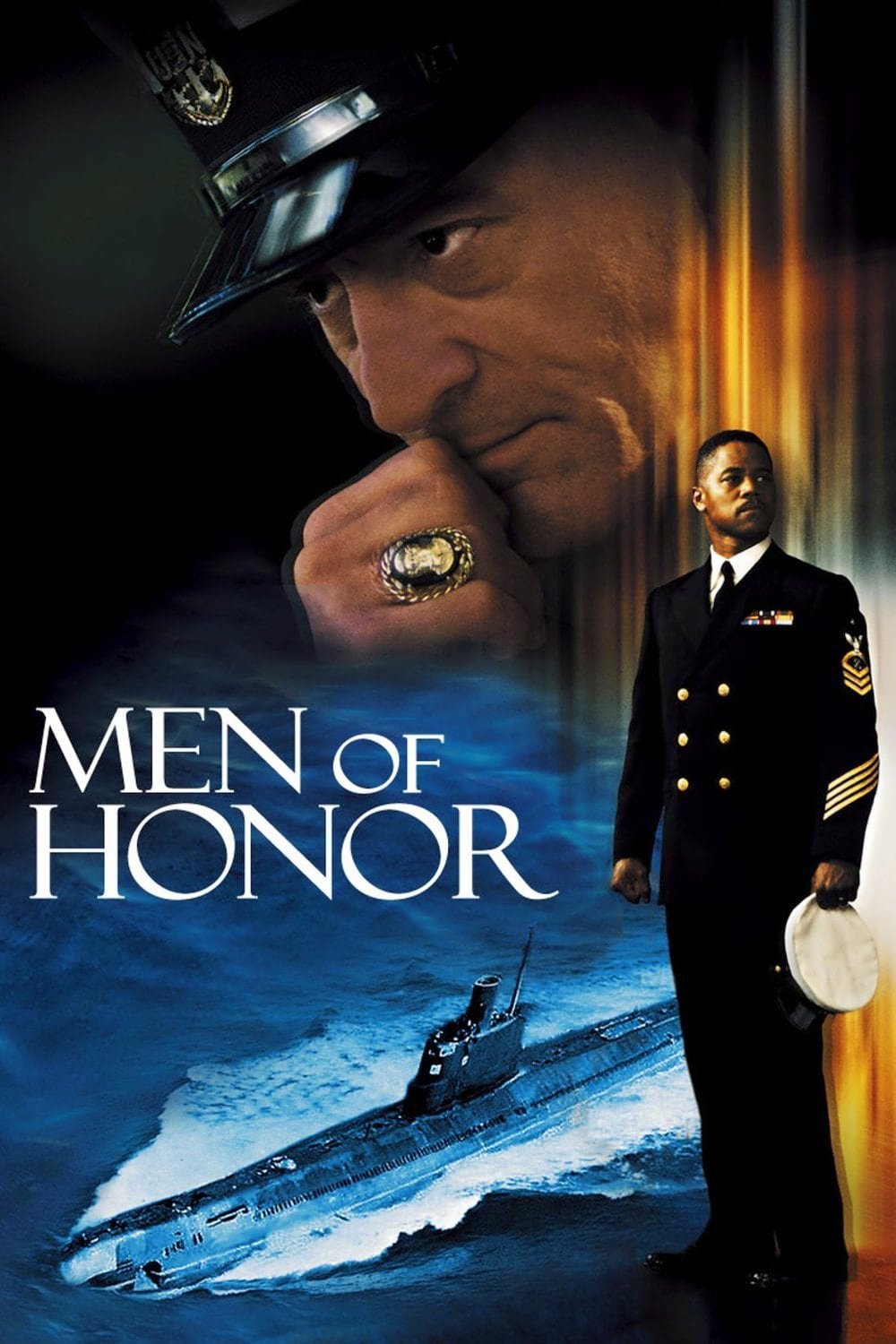
The Gap Between Critics and the Crowd
The first thing you’ll notice is the massive split between the people paid to review movies (42% on Rotten Tomatoes) and the people who actually watched it (81%). Critics in 2000 were exhausted by the "prestige biopic" formula. They saw the sweeping orchestral swells and the predictable training montages as manipulative.
But for a modern audience, that 81% audience score is the one that matters. While the filmmaking style feels like a relic of a specific era—think big, earnest, and occasionally cheesy—the core story of Carl Brashear carries enough weight to break through the Hollywood gloss. If you can get past the "movie-ness" of it all, the actual events are unbelievable.
The Mechanics of the Mark V
Most military movies focus on the infantry or pilots. This is a deep-dive into a very specific, very claustrophobic world: Navy salvage diving in the mid-20th century. We aren’t talking about sleek wetsuits and oxygen tanks. These guys were essentially being lowered into the ocean in copper-and-brass pressure cookers.
The movie does an excellent job of making the equipment feel like a character. You feel the weight of the 200-pound suits and the sheer terror of having your air line depend on someone on the surface who might actually hate you. For a teenager who likes technical details or engineering, the scenes involving the "Twelve Steps" or underwater assembly are the high points. It turns a historical drama into a high-stakes procedural.
Handling the "Hard R" of History
The 15+ age rating isn't about sex or "fun" violence; it’s about the relentless, systemic, and verbal cruelty. The racism depicted here isn't the "polite" or implied version often found in PG-13 historical dramas. It is loud, constant, and uses the harshest racial slurs of the era.
If you’re watching this with a high schooler, the move isn't to buffer the language, but to talk about the isolation. Brashear isn't just fighting a "bad guy" instructor; he’s fighting a bureaucracy that views his presence as a malfunction. It’s worth checking out the official Navy archives on Carl Brashear after the credits roll. Seeing the real photos of the equipment and the man himself helps bridge the gap between the "Hollywood version" and the actual grit it took to survive that environment.
If Your Kid Liked Hidden Figures
If your family gravitated toward Hidden Figures or 42, this is the logical next step, though it’s significantly darker. It trades the upbeat "we’re all in this together" vibe of those films for a much more solitary, grueling struggle.
It’s a long sit at over two hours, and the middle act drags as it transitions from the diving school to Brashear’s later career. If the pacing starts to lose the room, remind your viewer that the final twenty minutes contain the "big moment" the entire film builds toward. It’s a classic "Dad movie" for a reason: it’s built on a foundation of pure, stubborn willpower.