The "Big Idea" burnout
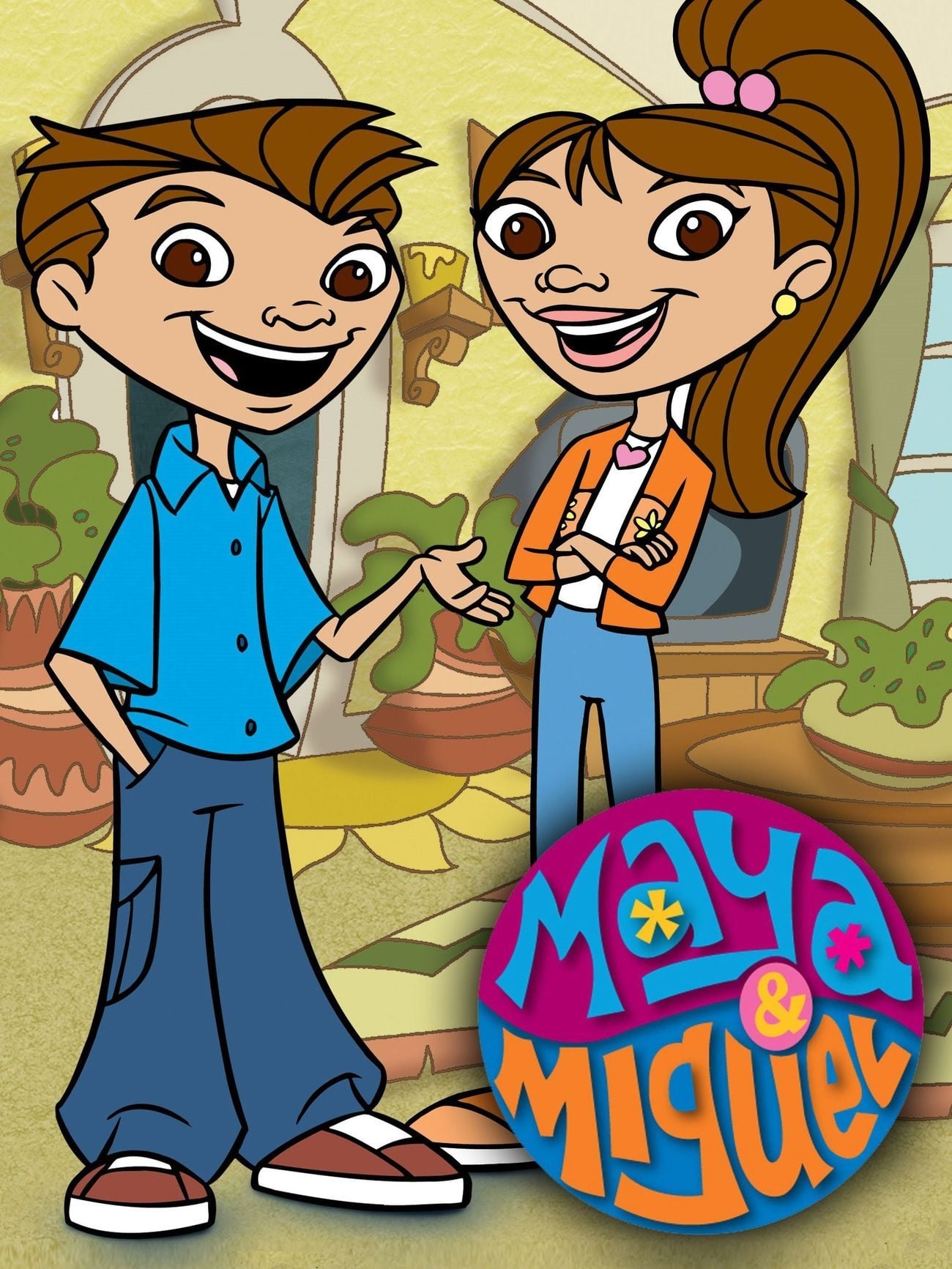
If you watch more than two episodes in a row, you’ll notice the formula immediately. Maya has a "big idea" to solve a problem—usually for someone else—and her twin brother Miguel tags along to help manage the inevitable chaos. It’s a standard sitcom setup, but because the show was built for PBS, the stakes are always incredibly low.
For a kid in the 5-to-9 age range, this predictable loop is actually a strength. It builds a sense of competence. They know exactly when Maya is overstepping and when Miguel is being the voice of reason. However, if your kid is used to the fast-paced, meta-humor of modern animation, Maya’s relentless enthusiasm might feel exhausting. She doesn't just walk into a room; she explodes into it. Parents often find her voice a bit much, but for the target demographic, she’s the high-energy engine that keeps a relatively slow-moving show from stalling out.
Vocabulary as a side dish
Don't mistake this for a rigorous language course. The Spanish here is strictly supplemental. The show uses a "sandwich" method: a character says a word or phrase in Spanish, then immediately repeats the sentiment in English or provides enough context that the meaning is unmistakable.
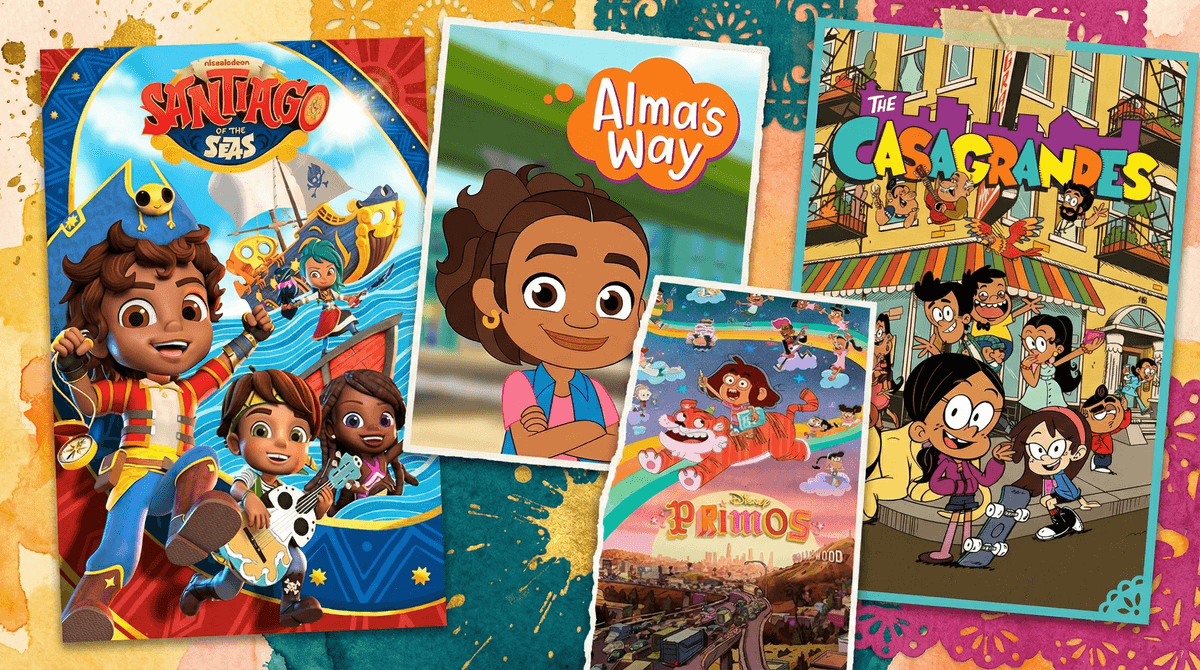
It’s great for building a basic "ear" for the language, but it won't lead to fluency. If you’re looking for TV Shows with Latino Leads: Representation That Matters, this is a solid historical entry point. It treats the bilingual nature of the Santos household as a boring, everyday fact of life rather than a "special episode" topic. That normalcy is the show’s best feature. It isn't trying to teach culture through a textbook; it’s just showing a family living it.
The Tubi time capsule
Since the show is currently parked on free-with-ads platforms like Tubi and The Roku Channel, it’s an easy "break glass in case of emergency" option. The animation is definitely a product of 2004—think flat colors and stiff character movements that lack the fluid artistry we see in modern streaming hits.
The pacing is also a relic of its time. Modern kids are conditioned for 7-minute shorts or 11-minute bursts of action. Maya and Miguel takes its time, often lingering on dialogue-heavy scenes in the family apartment or the neighborhood center. If your kid has a short fuse for "talking head" scenes, they’ll probably check out. But if you want something that lowers the temperature in the room after a high-energy day, the low-stakes neighborhood drama of the Santos twins is a safe, if slightly dusty, bet.