The Oxy-Gum of it all
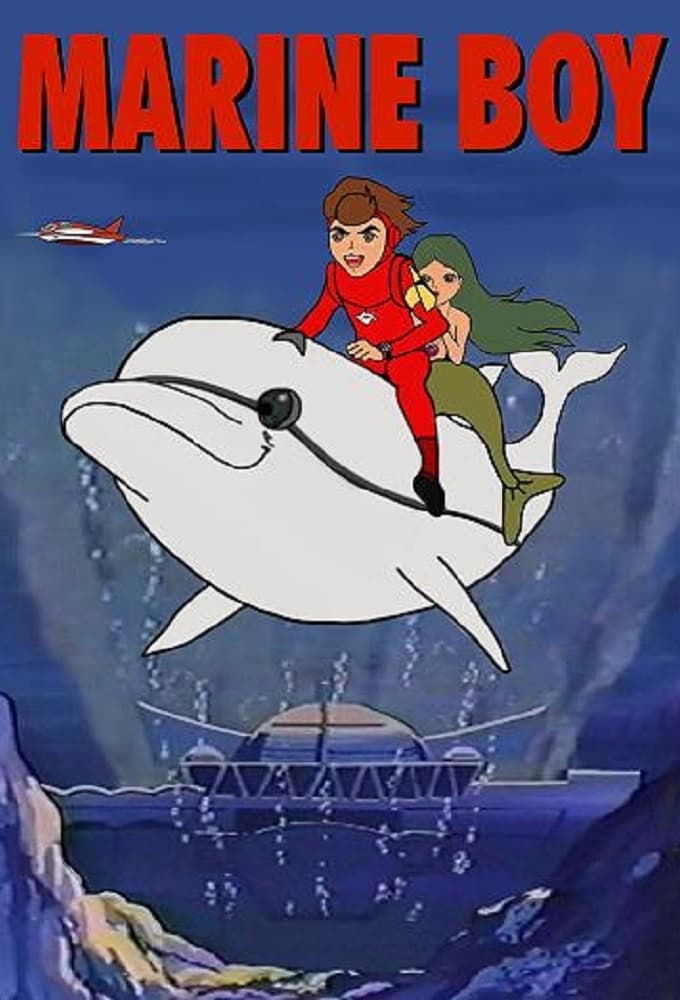
If you’re wondering why a show from 1966 is even on your radar, it’s usually because of the Oxy-gum. In the world of Marine Boy, the solution to deep-sea exploration isn't a high-tech scuba suit or a submarine; it’s a piece of gum that provides an endless supply of oxygen. It’s the kind of logic that only makes sense to a six-year-old in the mid-sixties, and honestly, it’s the most memorable part of the series.
While modern kids are used to the complex power systems of One Piece or the gadget-heavy missions of The Octonauts, Marine Boy operates on a much simpler, pulpier frequency. He has a boomerang made of "C-steel" and a pair of propeller shoes. That’s the whole kit. For a kid who is currently obsessed with the mechanics of how things work, the sheer absurdity of the Oxy-gum might actually be a fun talking point. Just don't be surprised if they try to recreate the "breathing underwater" trick in the bathtub with a piece of Hubba Bubba.
A masterclass in "doing more with less"
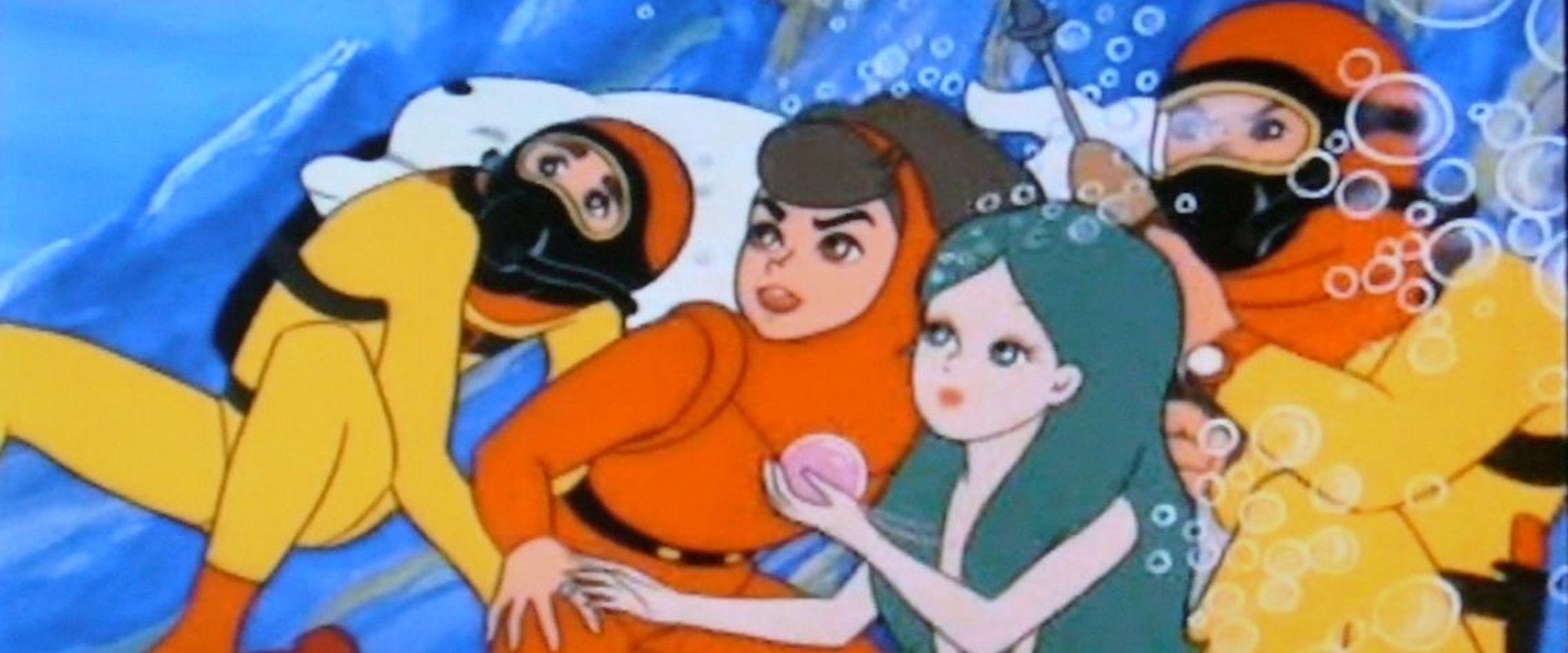
Watching this today is a lesson in how much we take for granted in modern animation. The production was handled by Japan Tele-Cartoons, and you can see the budget constraints in every frame. The animation is choppy, and characters often talk while facing away from the camera just so the animators didn't have to sync the lip movements.
The audio experience is equally sparse. One of the most jarring things for a modern viewer is the lack of incidental music. Most cartoons today have a constant wall of sound to keep kids engaged. Marine Boy often unfolds in a strange, bubbly silence. It gives the show an eerie, almost dreamlike atmosphere that can be quite calming if your kid isn't already bored to tears.
Then there’s the voice work. Corinne Orr, who most people recognize as Trixie from Speed Racer, handles the voices for Marine Boy, the mermaid Neptina, and the little boy Cli-Cli. It’s a literal one-woman show for the main cast. Once you realize it’s the same person talking to herself, the show takes on a weirdly impressive, if slightly repetitive, quality.
Who is this actually for?
If your kid is a die-hard fan of SpongeBob SquarePants and you think this is a natural pivot because they both take place underwater, you are mistaken. This is the polar opposite of the high-energy, joke-a-minute pace of modern Nickelodeon.
This is for the kid who:
- Is obsessed with the ocean and has already watched every documentary available.
- Has a high tolerance for slow-burn storytelling.
- Actually enjoys looking at old comic books or vintage toys.
If you’re trying to introduce your child to the history of anime, this is a solid second step after Astro Boy or Speed Racer. It’s a foundational piece of the medium, showing how Japanese studios began to adapt their style for Western audiences. But for most families, this is a "watch one episode for the novelty" situation rather than a full-season binge. If they make it through the first ten minutes without asking for your phone, you might have a future film historian on your hands. For everyone else, it’s just a very slow, very blue relic of the past.