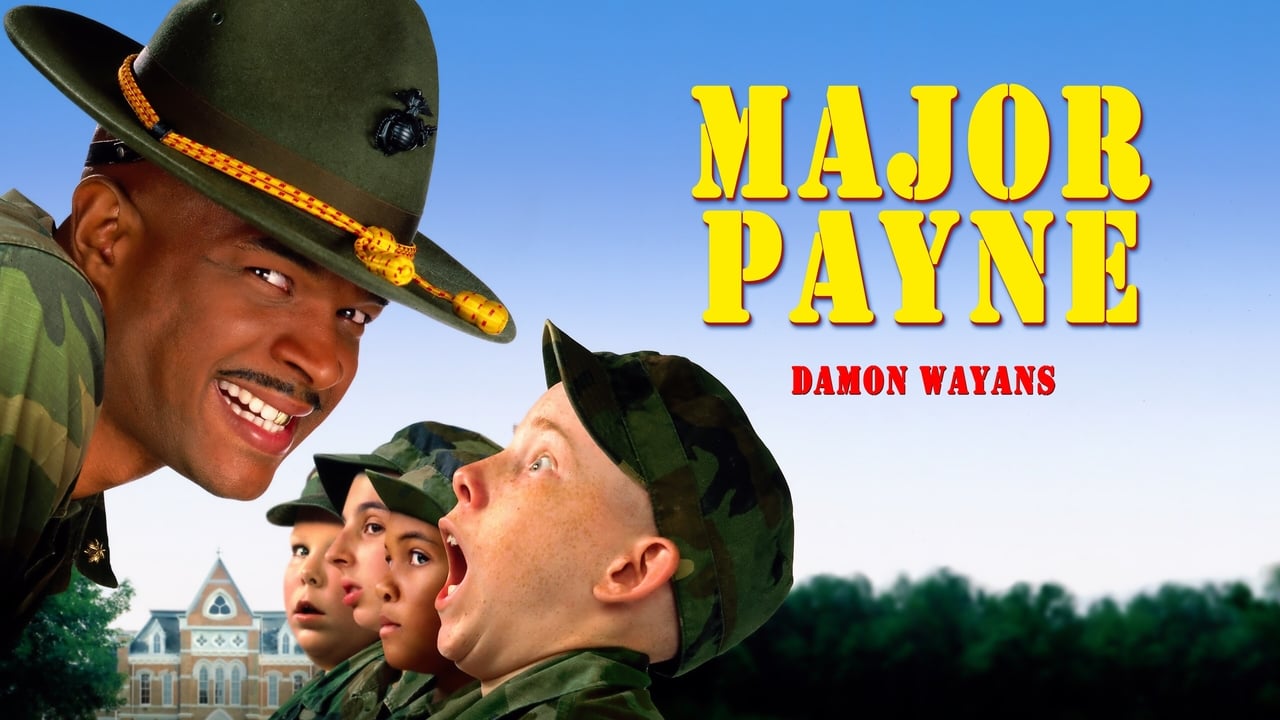
Major Payne

Major Payne

movie

PG-13, 1995

WISE
56%

WISE Score

29

Avg. Tomatometer

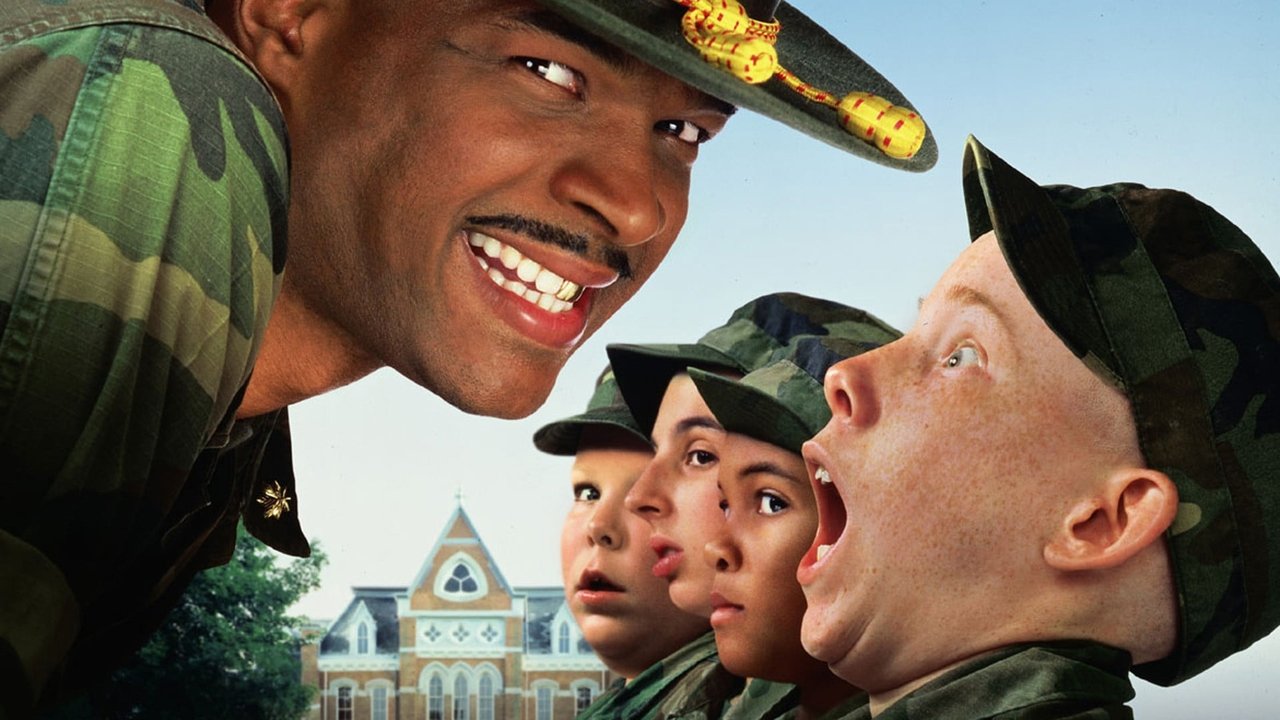
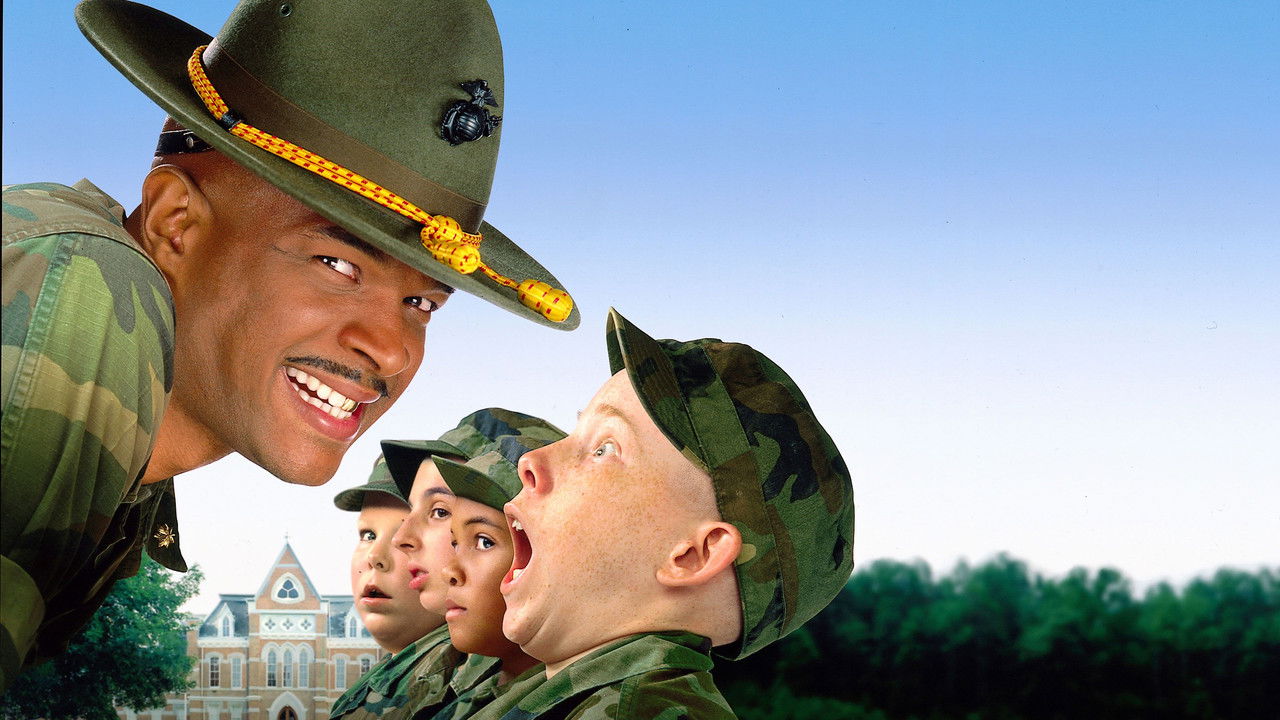
Damon Wayans screams at children until they find their inner soldiers in this loud, slapstick '90s relic.

IMDb6.3
RT Critics29%
MC34
Common Sense Media
Where to Watch
Loading streaming options...
Screenwise Verdict

Major Payne is a total time capsule. If you’re a Millennial parent, you probably remember this being hilarious on cable TV, but watching it now requires a bit of an 'it was a different time' disclaimer.

Wayans is undeniably talented and his physical comedy carries the movie, but the constant screaming at 6-year-olds can feel more exhausting than entertaining in 2026. It’s not 'brain rot,' but it’s definitely not high art. It's a loud, silly, slightly mean-spirited comedy that eventually finds its heart in the last twenty minutes. If your kid likes slapstick and can handle some PG-13 insults, it’s a fine Friday night throwback, but don't expect it to become their new favorite.

Age Fit

Best for 10 to 12-year-olds who can handle the 'mean' humor without taking it personally. Younger kids might just find Payne scary rather than funny.

WISE Breakdown
Wholesome
55

It follows the classic 'tough mentor softens up' arc, but the path there involves a lot of verbal berating and military-style humiliation that feels a bit abrasive by modern standards.

Imaginative
42

It's a standard fish-out-of-water comedy. The most creative part is Damon Wayans' specific, high-pitched vocal performance and physical comedy.

Safe
68

No gore or nudity, but there's plenty of '90s-era PG-13 edge: crude jokes, intense shouting at young children, and a scene involving a finger-breaking 'distraction' that might make squeamish kids jump.

Enriching
48

There are some basic lessons about teamwork and not giving up, but they're mostly buried under slapstick and insults. It’s more about the laughs than the growth.

Parent Info

Why It Might Be Great

  • Damon Wayans is fully committed to a weird, cartoonish performance that still lands some genuine laughs.
  • It’s a nostalgic pick for parents who grew up on 'In Living Color' and want to share that specific era of comedy.
  • The 'ragtag team of losers' trope is predictable but satisfying when they finally get their act together.

What to Watch For

  • Payne’s 'motivational' style is essentially non-stop verbal abuse, which might be hard for sensitive kids to find funny.
  • A fairly dark (though comedic) bedtime story about the 'Little Engine That Could' involving a lot of casualties.
  • Occasional crude humor and '90s-style jokes that haven't aged gracefully in a school setting.

Conversation Starters

  • "Is Major Payne actually a good leader, or is he just a bully who happens to get results?"
  • "Why do you think the kids eventually started to respect him even though he was so mean at the start?"
  • "If a teacher talked to you like that today, what would happen?"

Deep Dive

The Wayans energy

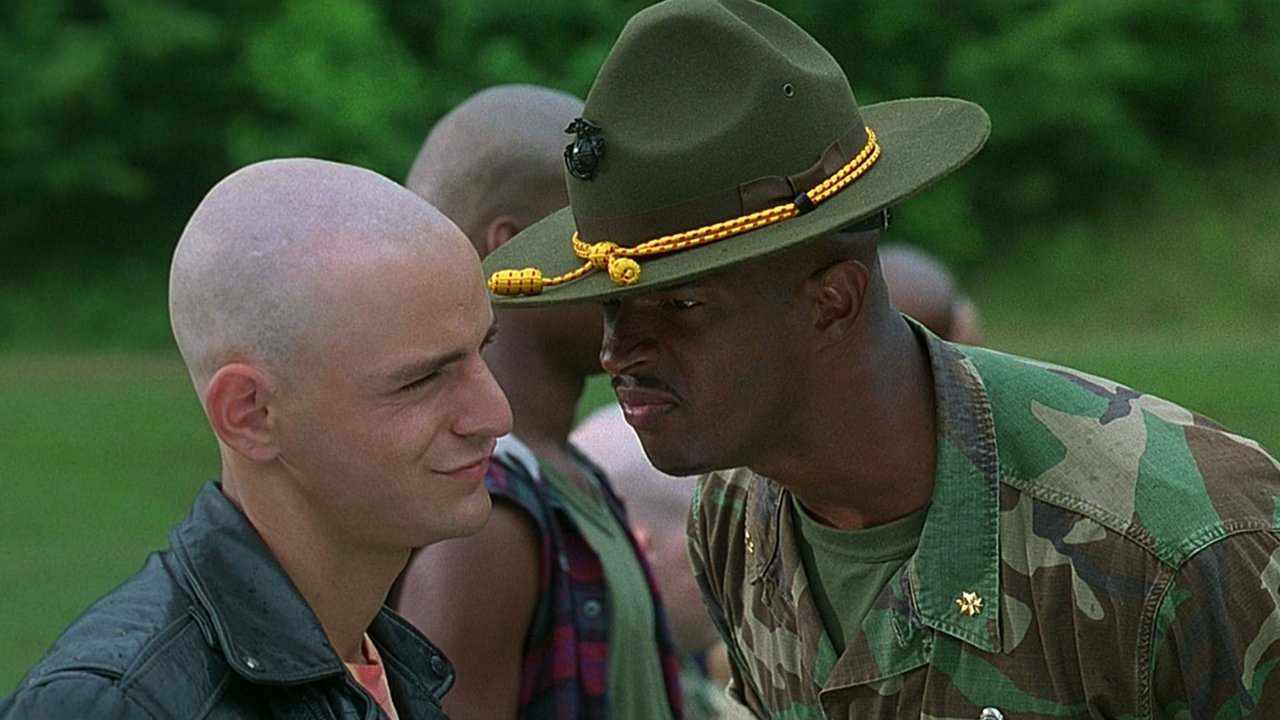
If you grew up watching In Living Color, you know exactly what the "Wayans energy" is: high-octane, physically demanding, and frequently bordering on the absurd. Damon Wayans doesn't just play Major Payne; he turns him into a living, breathing cartoon character with a high-pitched squeak in his voice and a permanent scowl. It’s a performance that critics at the time largely dismissed—the Metacritic and Rotten Tomatoes scores are pretty brutal—but it’s also why the movie has maintained a cult following for thirty years.

With Damon Wayans and the 2026 'Scary Movie' Comeback currently dominating the cultural conversation, it’s a great time to show your kids where that specific brand of parody started. He isn't playing a real Marine; he’s playing every "hard-ass drill sergeant" trope from every 80s war movie, cranked up to eleven.

The litmus test

There is one specific scene that will tell you everything you need to know about whether your kid is the right audience for this. Payne tells a "bedtime story" to a six-year-old using the framework of The Little Engine That Could. In his version, the engine is a cold-blooded soldier in a jungle firefight.

It is dark, it is violent (verbally), and it is unhinged.

If your kid thinks that’s the funniest thing they’ve ever seen, they’re going to love the rest of the movie. If they look at you with genuine concern for the six-year-old on screen, you might want to pivot to something softer. The humor here relies entirely on the idea that Payne’s intensity is so misplaced in a school setting that it becomes ridiculous. If the "misplaced" part doesn't land, it just looks like a grown man being a jerk to children.

Why it works (eventually)

Despite the "mean" reputation, the movie follows the classic Bad News Bears or Mighty Ducks blueprint. You have a group of kids who are essentially invisible to their peers, and Payne—for all his screaming—is the first person who actually expects something from them.

The friction comes from the fact that Payne doesn't have a "civilian" mode. He views a school dance with the same tactical gravity as a covert op. For a 10-year-old, there’s something inherently funny about watching the "ragtag losers" trope get filtered through a military lens. It’s less about the discipline and more about the kids finally finding a way to push back against a guy who seems invincible.

If your kid liked...

Think of Major Payne as the aggressive, loud-mouthed cousin of School of Rock. Where Jack Black used the power of Led Zeppelin to give kids confidence, Wayans uses blind-folded rifle assembly and 4:00 AM wake-up calls.

If your family has already cycled through the modern "underdog sports" movies and wants something with more of a bite, this is the play. Just be prepared for your kids to spend the next week trying to mimic Payne’s iconic, gravelly laugh. It’s inevitable.

Stills
Major Payne — still 1
Major Payne — still 2
Major Payne — still 3
Major Payne — still 4
Major Payne — still 5

Ask Anything

Get a personalized guide on any topic