A relic of the late-90s blockbuster machine
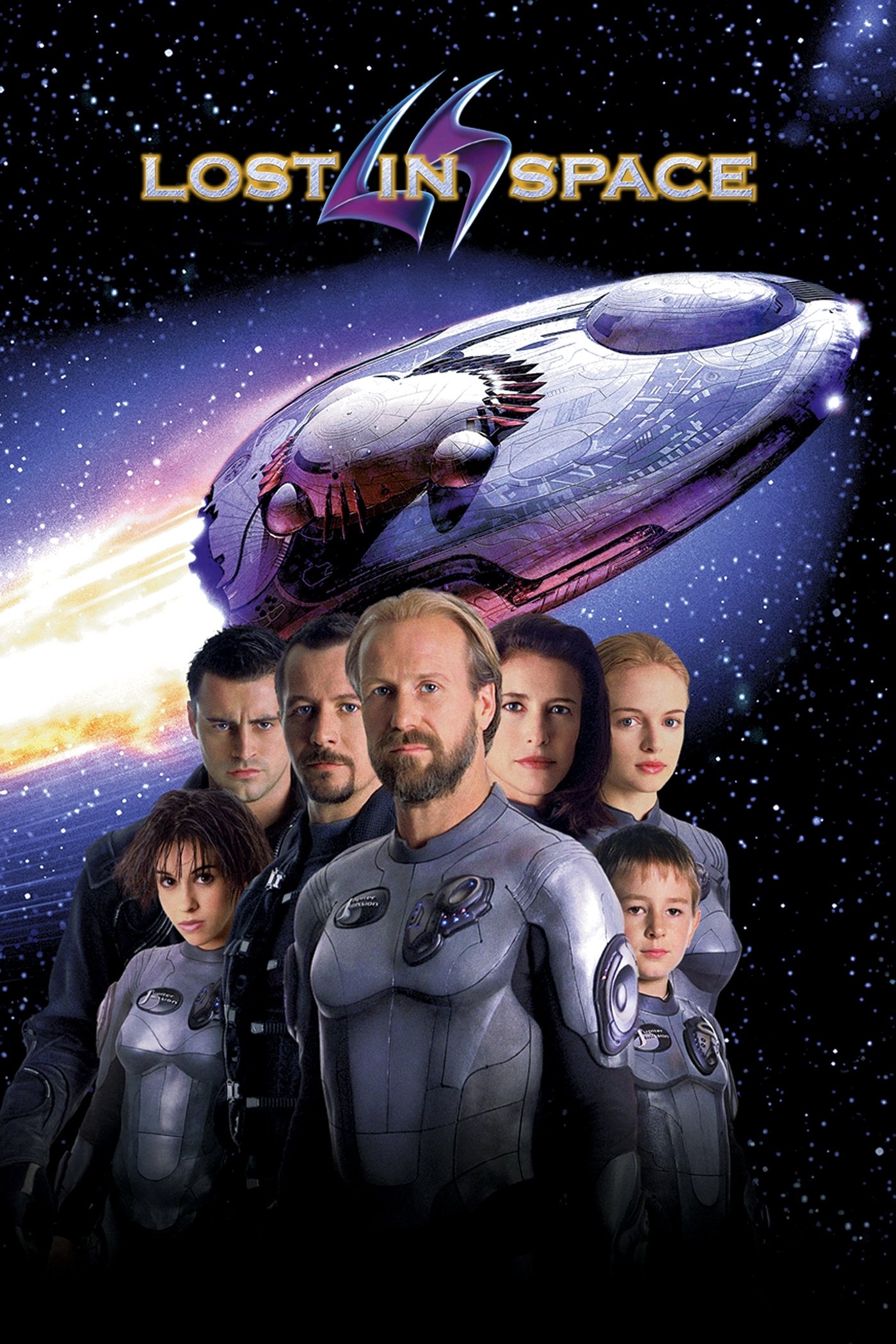
When New Line Cinema launched Lost in Space in April 1998, the primary objective was knocking Titanic off its record-breaking box office run. It succeeded for a single weekend, but time has not been kind to the movie itself. Directed by Stephen Hopkins, the film traded the bright, campy charm of Irwin Allen’s original 1965 television show for grungy metallic corridors, dark blue lighting, and angsty family drama.
William Hurt plays John Robinson, a brilliant scientist taking his family on a light-year journey to colonize Alpha Prime. Along for the ride are his estranged wife (Mimi Rogers), his genius son Will (Jack Johnson), two daughters (Lacey Chabert and Heather Graham), a hotshot pilot played by Matt LeBlanc at the height of his Friends fame, and Gary Oldman as the saboteur Dr. Smith.
Sci-fi tropes and creature feature scares
The narrative quickly devolves into an obstacle course of sci-fi set pieces. First, the ship drifts into an uncharted sun; next, they encounter a ghost ship infested with carnivorous metallic spiders; finally, they land on an unstable planet caught in a time anomaly.
The creature design on the space spiders still carries genuine jump-scare potential for pre-teens. Later in the film, when Dr. Smith mutates into a giant spider-human hybrid, the visual effects lean heavily into body horror. It is precisely these sequences that push the film past a gentle family adventure into PG-13 thriller territory.
"Danger, Will Robinson!" remains the movie's most memorable line, delivered by a metallic battle robot whose design is easily the strongest visual element in the production.
How it compares to modern sci-fi
For modern kids raised on seamless Marvel CGI and the polished storytelling of Netflix's recent Lost in Space series reboot, this 1998 edition will feel clunky and oddly paced. The digital effects—especially a small alien pet named Blorp—look like early PlayStation cinematics. However, as an example of how 1990s cinema attempted to modernize vintage properties, it offers a fun, if flawed, look back at an era when space blockbusters were loud, weird, and deeply dramatic.