Our reviews and ratings are 100% unbiased. Screenwise is a Bookshop.org affiliate and an Amazon Associate, so if you buy a book through one of our links, we may earn a commission. Bookshop.org purchases also support independent bookstores.
Screenwise Verdict
This is the kind of book that belongs on every elementary school shelf. It's beautifully illustrated, historically important, and tells a story that kids need to hear—that young people have always been part of the fight for justice.
The Birmingham Children's Crusade is a remarkable piece of history that often gets overshadowed by other Civil Rights moments, and Clark-Robinson brings it to life through a child's perspective. The poetic text is accessible without dumbing anything down, and Morrison's paintings are stunning.
Yes, it's serious. Yes, it deals with racism and injustice. But it does so in a way that's appropriate for elementary-age kids and leaves them feeling empowered rather than traumatized. The back matter is solid for parents and teachers who want to go deeper.
This isn't light bedtime reading, but it's essential reading. Pair it with conversation and you've got a book that will stick with kids long after you close it.
Age Fit
Best for ages 6-11, though mature 5-year-olds can handle it with parent support. The subject matter is serious but age-appropriate, and the child narrator makes it accessible. Older elementary kids will get more from the historical context, but younger kids can grasp the core message about courage and fairness.
WISE Breakdown
Wholesome
88
Models extraordinary courage, peaceful protest, and children standing up for justice. The tone is age-appropriate and inspiring without sanitizing the real fear and danger these kids faced. Emotionally mature but not traumatizing—shows dignity and determination in the face of hate.
Imaginative
75
Frank Morrison's oil-on-canvas paintings are emotive and bring history to life visually. The poetic text invites kids to imagine themselves in a pivotal moment. Not interactive or open-ended in the creative sense, but does spark imagination about courage and what it means to use your voice.
Safe
82
Age-appropriate for the subject matter—depicts fear, hate, and danger but without graphic violence or traumatic imagery. The book is honest about segregation and protest without being gratuitously scary. Parents should expect serious historical content about racism and civil rights, but it's handled with care for young readers.
Enriching
94
Exceptional educational value. Introduces kids to the 1963 Birmingham Children's Crusade, Dr. King, and the Civil Rights Movement through a child's perspective. Includes timeline, afterword, and source notes. Builds empathy, historical awareness, and understanding of peaceful activism. Coretta Scott King Honor Award winner. This is exactly the kind of book that helps kids understand that they can make a difference.
Parent Info
✓
Why It Might Be Great
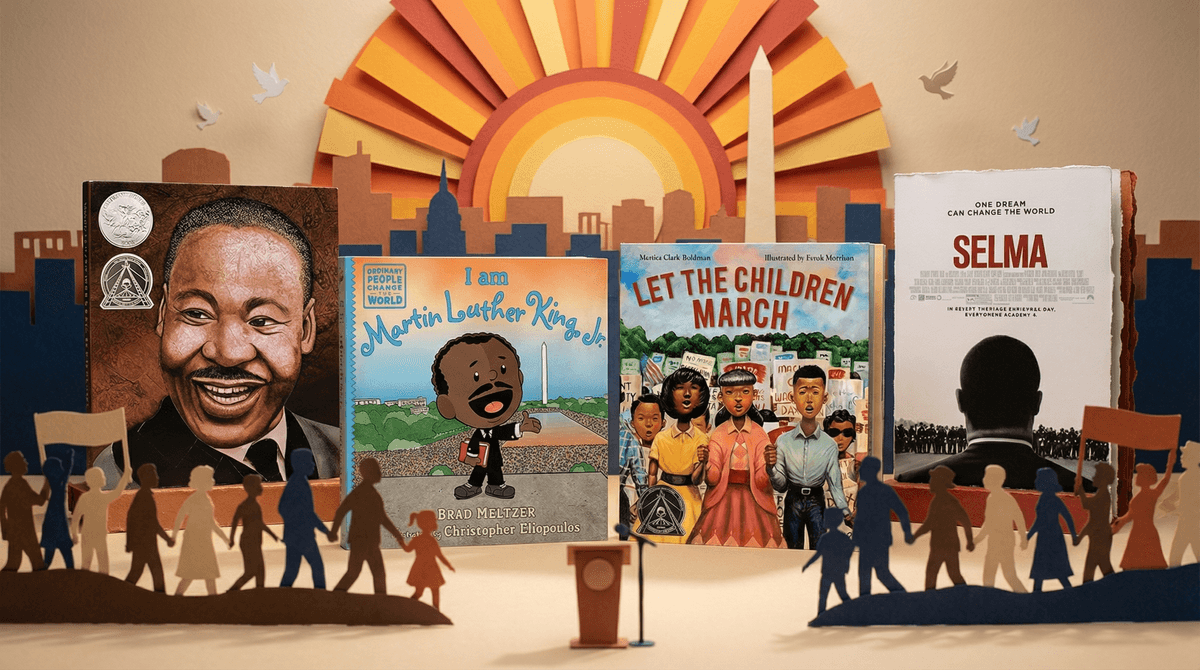
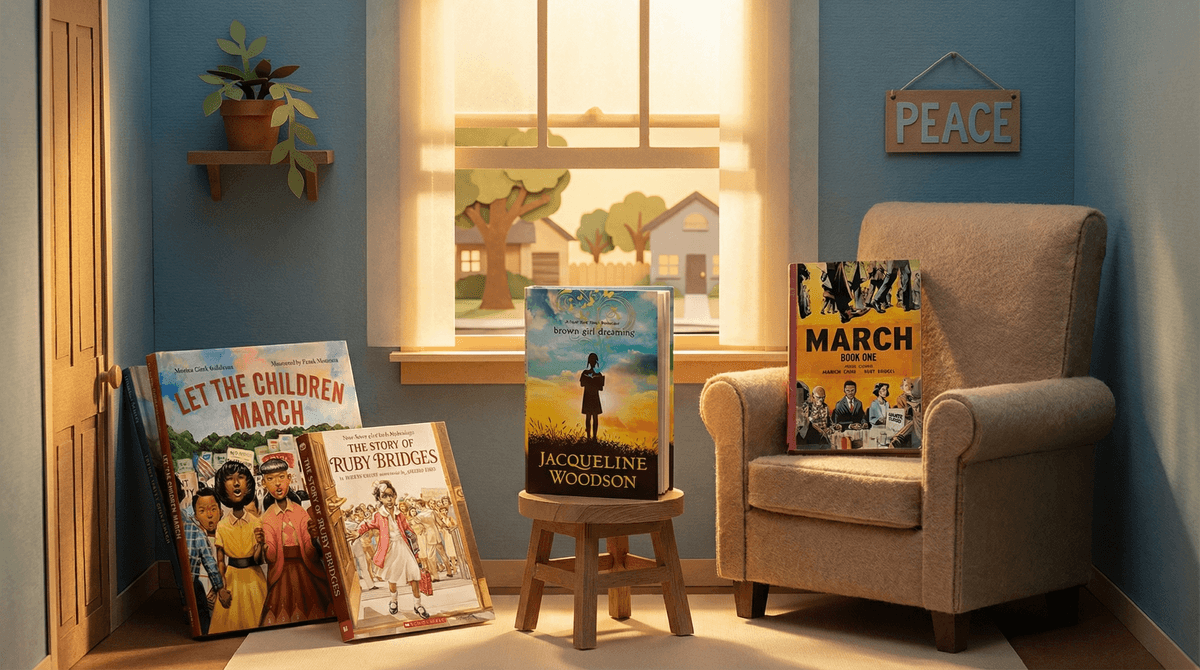
Introduces the Birmingham Children's Crusade through a child's voice—making history personal and accessible for elementary readers
Frank Morrison's oil paintings are gorgeous and emotive, bringing the courage and determination of these young activists to life
Coretta Scott King Honor Award winner with solid educational back matter (timeline, source notes, afterword)
Shows kids that young people can make real change—not in a preachy way, but through an inspiring true story
Honest about segregation and injustice without being gratuitously scary or traumatizing
⚠
What to Watch For
This is serious history—depicts racism, segregation, fear, and danger. Best with parent involvement to process and discuss
Younger kids (5-6) may need help understanding the historical context and why these laws existed
Some children may feel scared or upset learning about how Black children were treated—be ready for big feelings and questions
Conversation Starters
"Why do you think the kids decided to march even though it was scary?"
"What would you do if you saw someone being treated unfairly because of how they look?"
"The book says 'I couldn't play on the same playground as white kids.' How does that make you feel?"
"Dr. King believed in peaceful protest. Why do you think that was important?"
"Have you ever stood up for something you believed in, even when it was hard?"