The logic of the loop
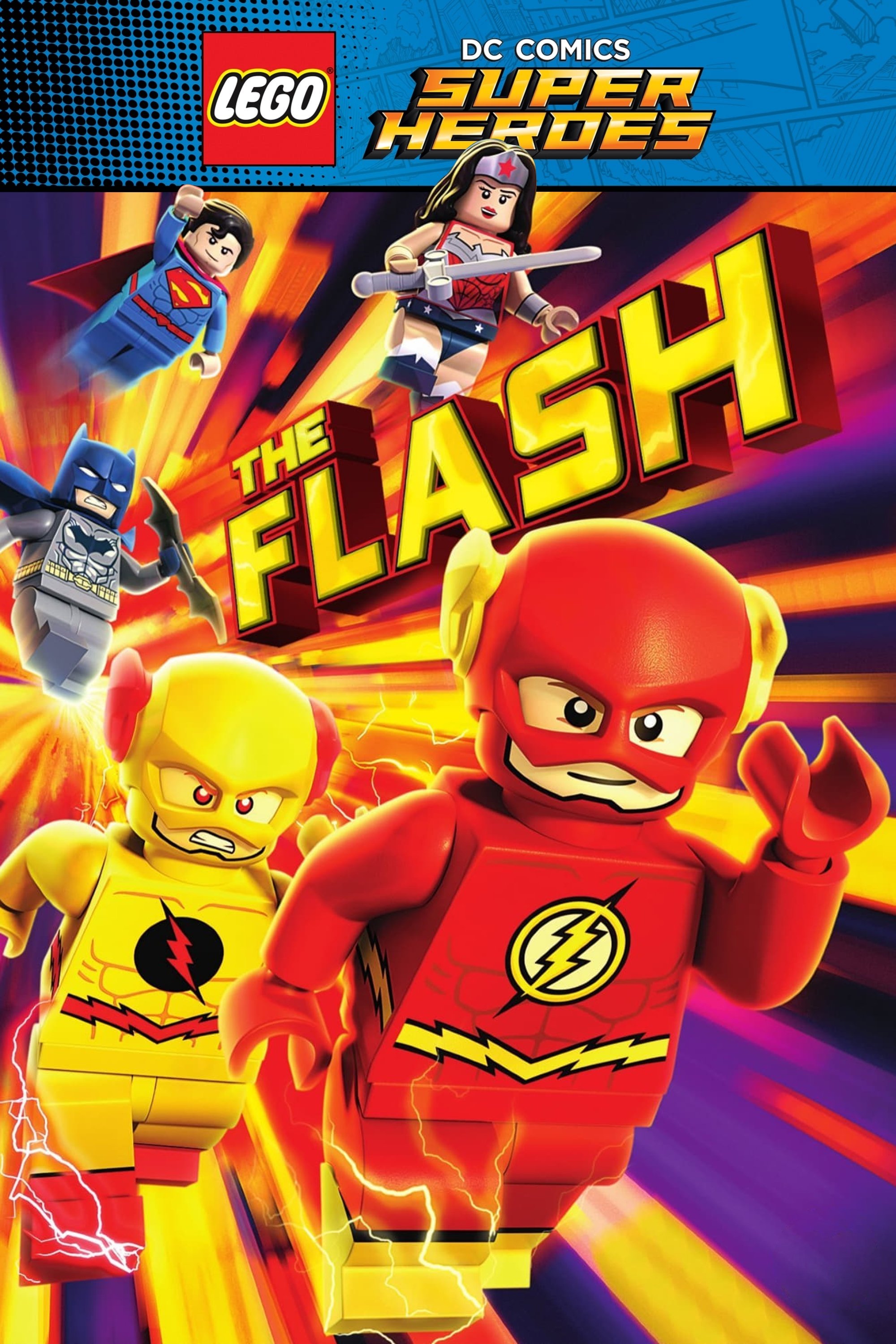
The time-loop gimmick is the only thing keeping this from being a total wash. Most LEGO DC entries follow a predictable "villain steals a MacGuffin, heroes punch villain" structure. This one actually asks kids to track a narrative thread as Barry Allen relives the same disastrous morning. It’s a puzzle disguised as a cartoon.
Watching Flash lose his powers and get "fired" from the Justice League provides a rare moment of stakes in a franchise that usually resets to zero every ten minutes. If your kid is at the age where they’re starting to notice how stories are put together, they’ll enjoy spotting the small changes in each "reset." It’s a low-stakes way to introduce them to high-concept sci-fi tropes.
Managing the "B-Movie" feel
We need to be honest about the production value: this isn't The LEGO Movie. It doesn't have the $100 million polish, the star-studded voice cast, or the meta-commentary that makes the theatrical releases work for adults. The animation is flatter, the lighting is basic, and the jokes are aimed squarely at the single-digit age bracket.
With a 6.3 IMDb and a 3.1 on Letterboxd, the consensus is clear: this is filler. It’s the kind of media that exists to keep the brand alive between major releases. It’s perfect for a long car ride or a rainy Saturday when they’ve already burned through the "good" LEGO movies. Don't feel like you need to sit through this one; it’s optimized for kids to watch while you do literally anything else.
Why Flash works as a lead
Flash is often the "kid" of the Justice League, which makes him a more relatable protagonist than the brooding Batman or the perfect Superman. His mistakes in this movie come from a place of overconfidence and impatience—traits most seven-year-olds know well.
The conflict with Reverse-Flash is handled with the typical LEGO silliness, but it does a decent job of explaining the "opposite" dynamic of hero and villain. If your kid is graduating from these plastic adventures and wants to see how the "save the world" trope handles more serious stakes, you might eventually look toward live-action. Our parent's guide to Heroes covers that 2000s classic, though you’ll want to wait a few years since that show trades LEGO bricks for actual grit.
The "How to use it" move
If you want to get more than 78 minutes of peace out of this, use the time-loop premise as a game. Ask your kid what they would do if they were stuck in a loop at school or home. What's the one thing they'd change to make the day perfect? It’s a natural bridge into talking about cause and effect without it feeling like a classroom lesson.
Ultimately, this is a safe bet. It won't become their favorite movie of all time, but it won't cause any nightmares or awkward questions either. It’s the media equivalent of a box of plain crackers: it does the job, no one complains, and you’ll forget you even bought it by next week.