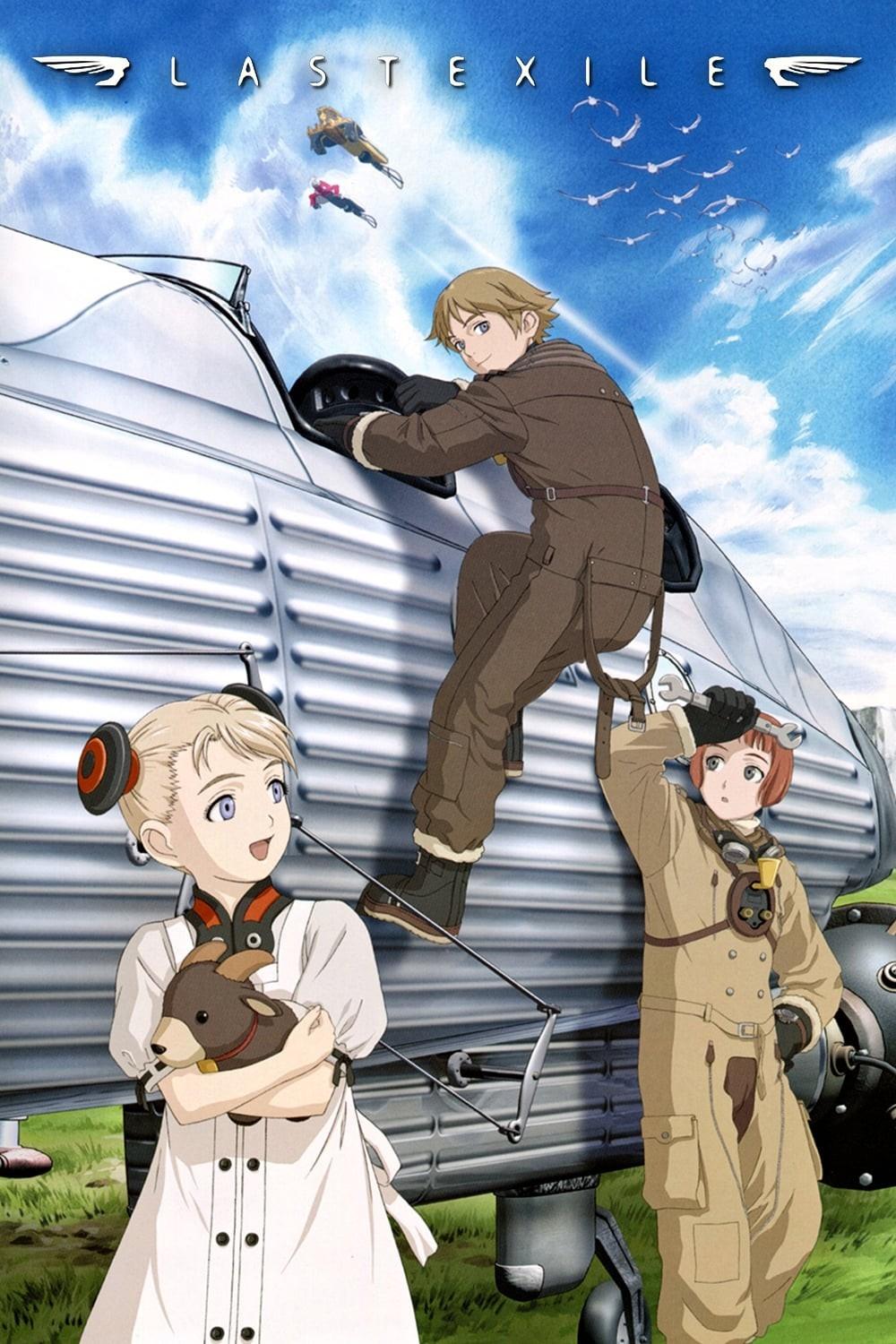
If you grew up on the high-octane, neon-soaked action of modern hits like Chainsaw Man or Solo Leveling, watching Last Exile feels like switching from a Formula 1 race to a restoration show about vintage biplanes. It is beautiful, mechanical, and deeply concerned with how things work, but it is never in a hurry.
The Gearhead Appeal
Most fantasy shows treat their vehicles as simple magic carpets. In Last Exile, the "vanships" are the stars. These aren't sleek sci-fi jets; they are clunky, vibrating, oil-leaking machines that feel like they were bolted together in a backyard hangar. If your kid is the type who spends hours in Minecraft perfecting a redstone engine or obsesses over the mechanical details in Star Wars cross-section books, they will find this world intoxicating.
The show treats flight with a sense of reverence. There is a tactile weight to the aerial dogfights that you just don't see in modern digital animation. When Claus and Lavie are pushing their ship to the limit, you can almost smell the diesel fumes. It’s a "gearhead" anime through and through, rewarding viewers who pay attention to the physics of the world rather than just waiting for the next explosion.
A Different Kind of Hero
Claus and Lavie aren't "chosen ones" with superpowers. They are sky porters—essentially high-speed delivery drivers. This grounded perspective is what makes the show's IMDb 7.8 rating hold up decades later. They are small players caught in a global conflict between two nations, Anatoray and Disith, who fight according to bizarre, rigid rules of engagement enforced by a shadowy third party called the Guild.
The friction for a modern audience usually comes from the politics. The show spends a lot of time on the bridge of the battleship Silvana, discussing supply lines, diplomatic maneuvers, and the ethics of a "gentleman’s war." For a patient ten-year-old, this is a great introduction to the idea that war isn't just about who has the biggest gun, but who has the better logistics. For a kid who just wants to see cool ships blow up, the middle stretch of the series will feel like a chore.
The "Ghibli-Plus" Vibe
The best way to frame this for your kid is as a longer, slightly grittier version of a Studio Ghibli movie like Castle in the Sky. It shares that same obsession with "retro-futurism" and the wonder of flight, but it adds a layer of military drama that makes it feel more mature.
According to Common Sense Media, it's a solid pick for the 10+ crowd, largely because it treats its audience like adults. It doesn't over-explain the plot, and it doesn't shy away from the consequences of the central conflict. If you’re looking for a "bridge" show to move a kid from simple Saturday morning cartoons into more complex, serialized storytelling, this is a classic choice—just make sure they know they're signing up for a marathon, not a sprint.