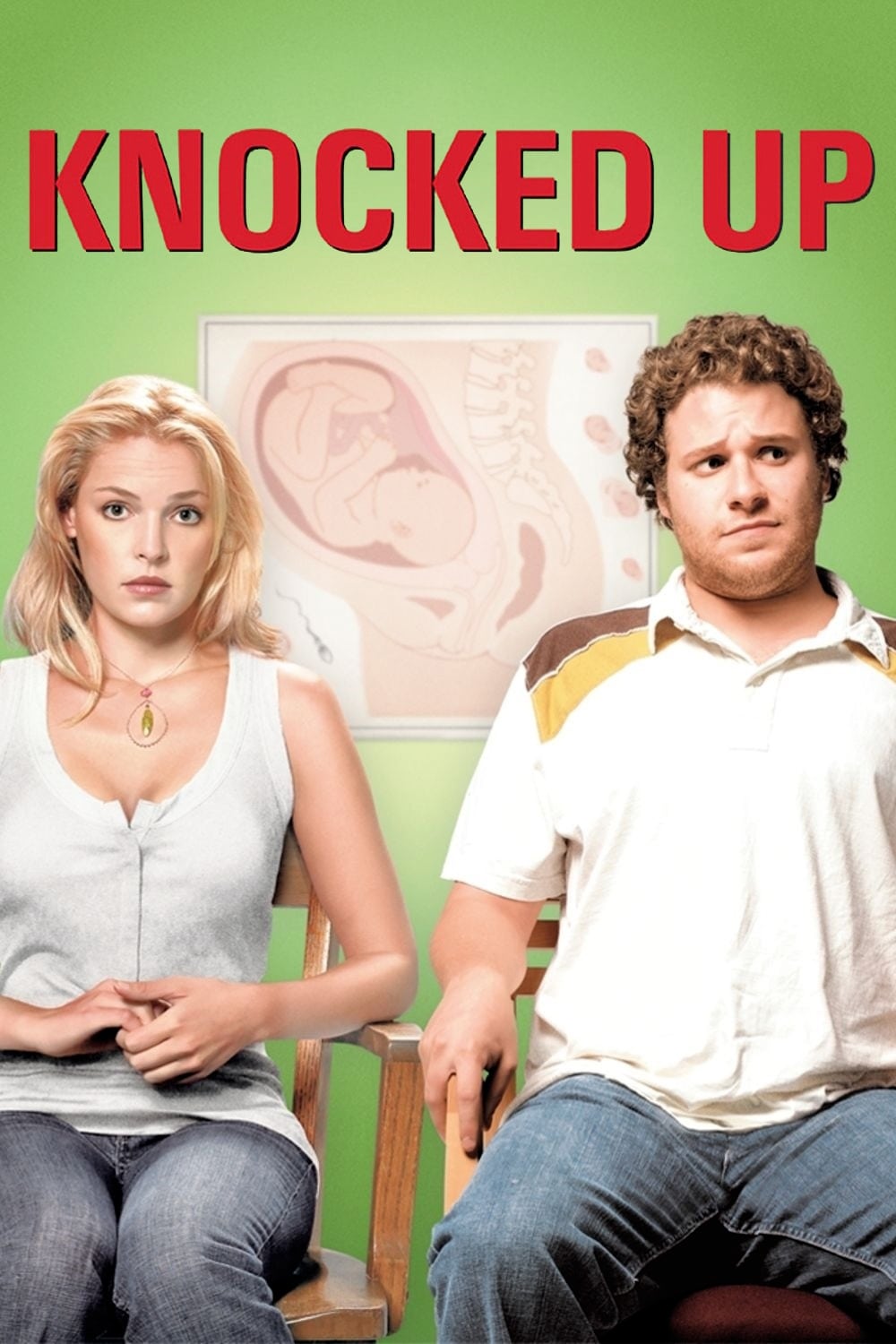
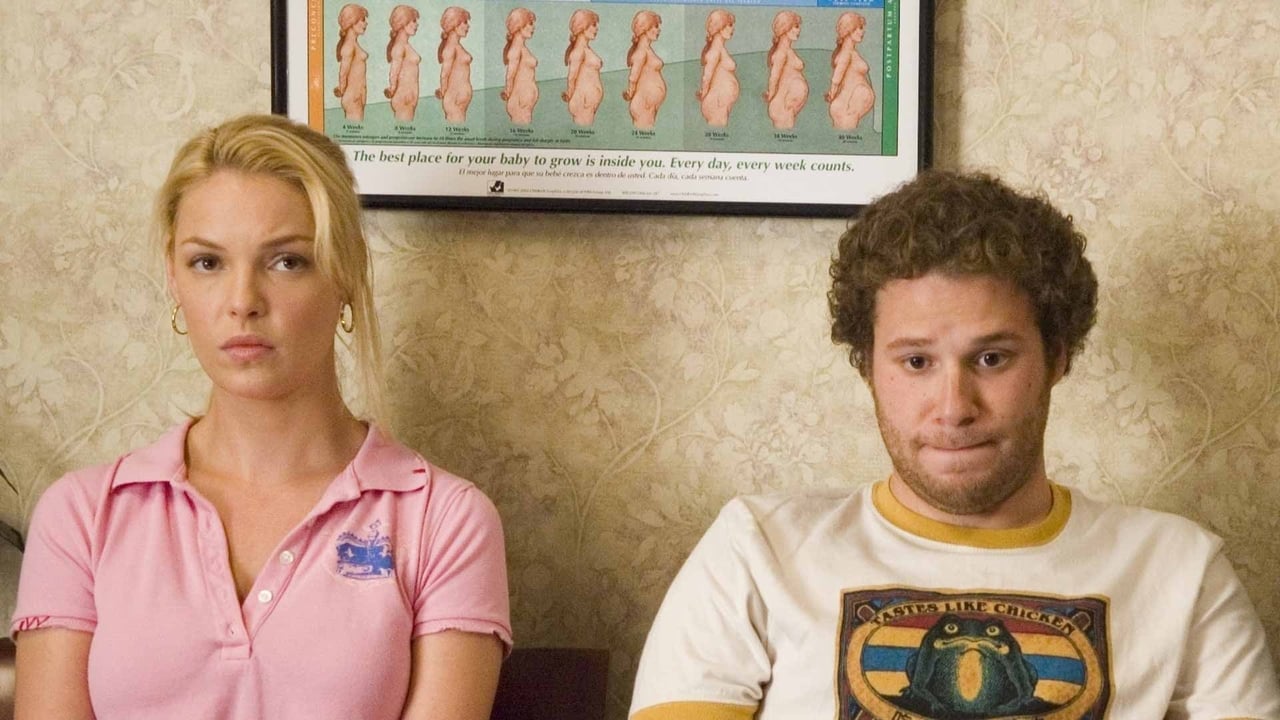
The marriage that steals the show
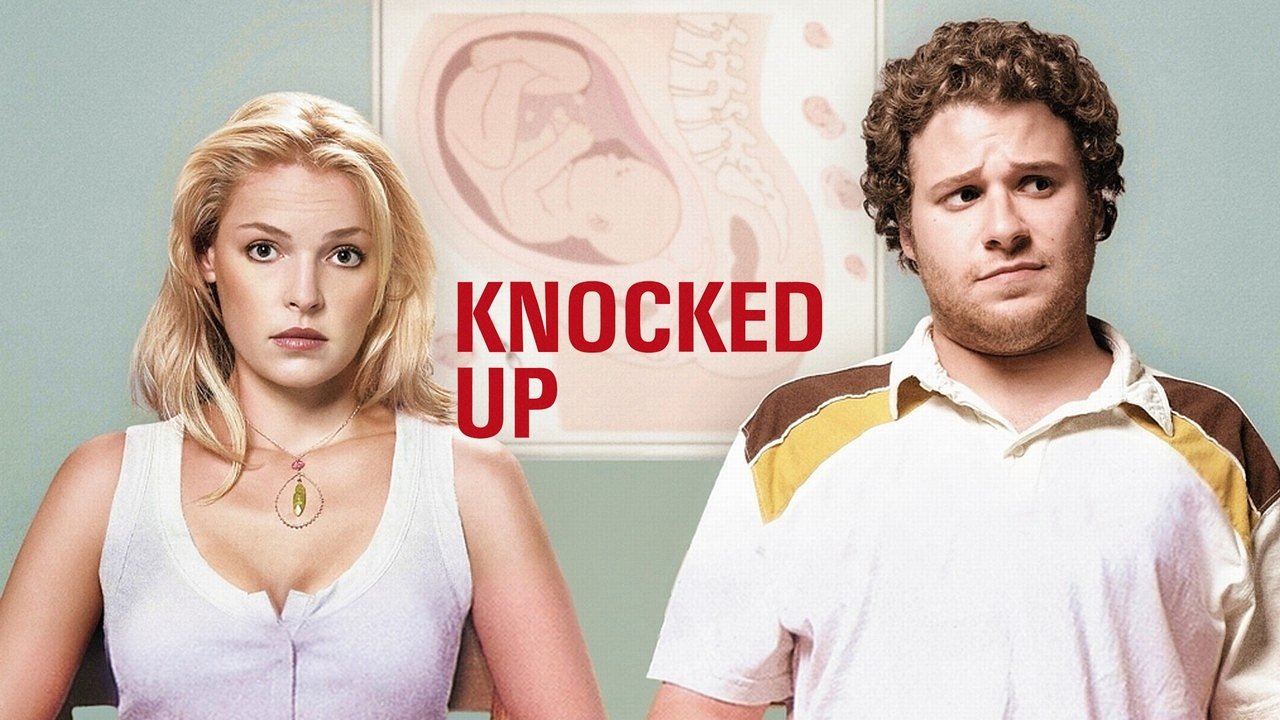
While the main plot follows the unlikely pairing of a slacker and a career woman, the real friction—and the best writing—lives with the secondary couple. Seth Rogen and his partner provide the premise, but Paul Rudd and Leslie Mann provide the perspective. They play the "ten years later" version of a relationship, and it isn't always pretty.
Their scenes capture the specific, low-level resentment that can creep into a marriage when one person feels like they’ve sacrificed their identity for the sake of the kids. There is a specific subplot involving a secret fantasy baseball league that feels more like a documentary than a comedy. It’s a cynical but ultimately grounded look at how people stay together when the initial spark is buried under car seats and school schedules. If you’re watching this as a parent, you’ll likely find yourself identifying with their exhausted bickering more than the main duo’s "will they or won't they" drama.
Why critics actually liked it
It is rare for a movie with this many bong hits to score a 90% on Rotten Tomatoes or an 85 on Metacritic. Critics generally responded to the fact that it doesn't treat pregnancy like a sitcom trope. It’s messy, the medical visits are uncomfortable, and the physical toll is treated with a surprising amount of gravity.
The film works because it balances the "bro" humor with a genuine sense of panic. It captures that terrifying moment where you realize your life as a self-centered individual is over, and you aren't sure if you’re ready for what’s next. The improvisational style makes the dialogue feel like actual conversations you’ve had with friends, rather than a polished script where everyone has a perfect comeback. It’s long for a comedy, but the runtime allows the characters to feel like people instead of caricatures.
The Apatow family tree
If you’re wondering why the kids in the movie seem so natural, it’s because they are the director's actual children. This includes a very young Iris Apatow, who has since grown up to be a significant figure in modern teen culture. Seeing her here as a toddler offers a strange, meta-look at how this specific brand of "family business" filmmaking started.
For parents whose teens are now following the younger generation of these actors on social media, this movie serves as the origin story. It’s a bridge between the raunchy comedies of the mid-2000s and the current landscape of Gen Z influencers and actors. Just keep in mind that while the kids on screen are young, the movie itself stays firmly in the "adults only" camp due to its relentless honesty about how grown-ups actually talk when the kids aren't listening.