The Flash animation hangover
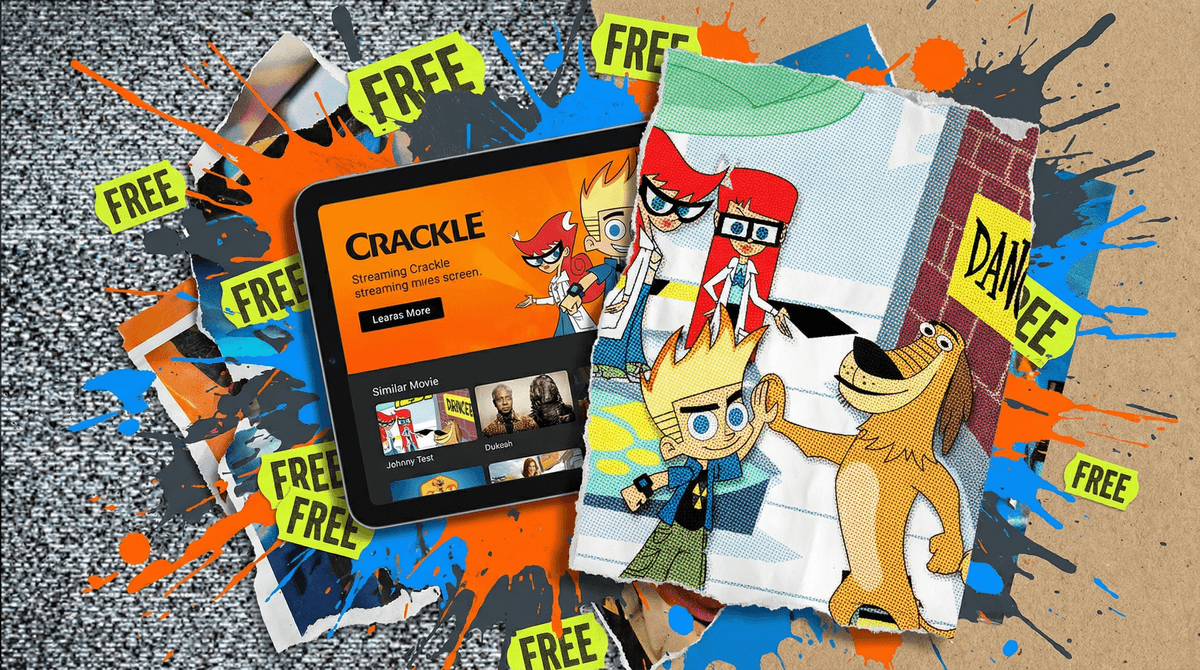
If you look at the landscape of 2005 television, you’ll see the exact moment the industry realized they could produce animation much faster and cheaper using software like Flash. Johnny Test is the poster child for that transition. It’s characterized by a "puppet" style of movement—limbs that pivot on pins rather than being fluidly drawn. While that might sound like a technicality, it matters for your kid’s viewing experience because the show compensates for its stiff visuals by cranking the audio to eleven.
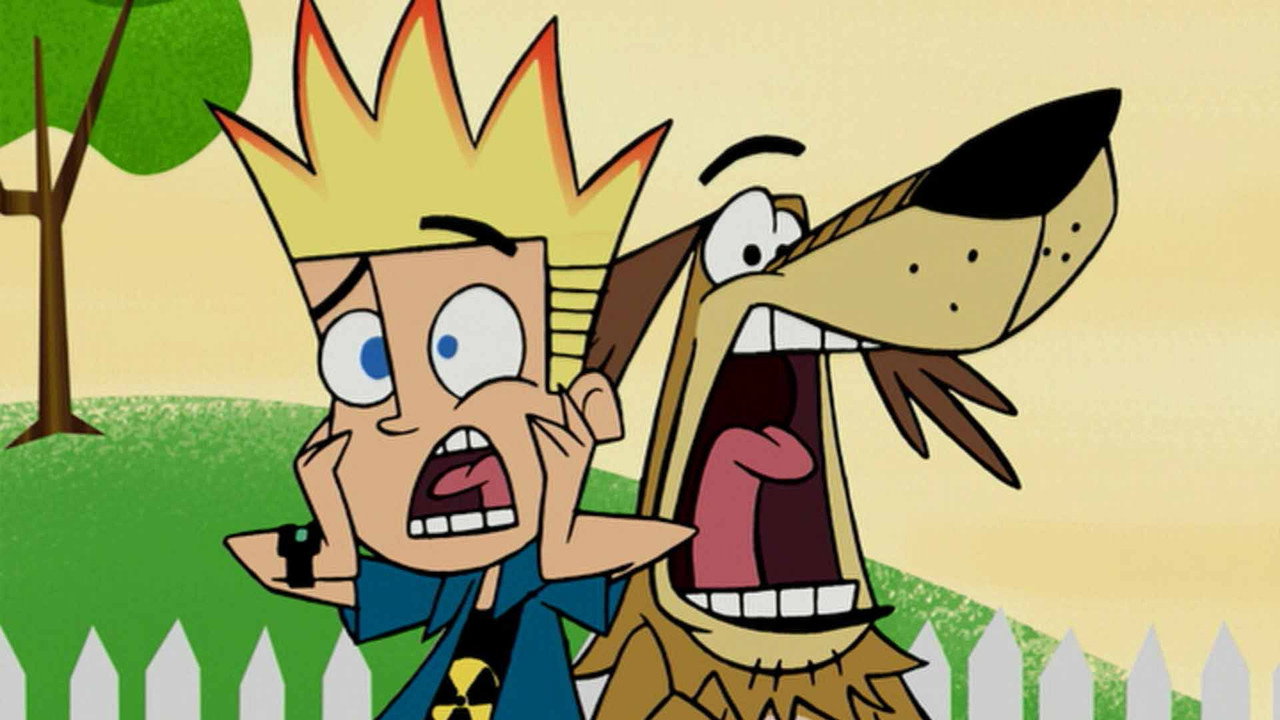
The pacing isn't just fast; it’s desperate. Every three seconds, there’s a sound effect, a rapid-fire zoom, or a character screaming. It’s designed to hold the attention of a distracted audience, but it often ends up being the kind of show that leaves everyone in the room feeling slightly frazzled by the time the credits roll. If you’re looking for a wind-down show before bed, this is the literal opposite of that.
The 5.4 IMDb reality check
The 5.4 IMDb score is actually quite telling when you compare it to other animated staples from the same era. Most "classic" cartoons from the mid-2000s sit comfortably in the 7.0 to 8.0 range. A 5.4 suggests a show that people watched because it was there, not because they loved it. It’s the filler of the streaming world.
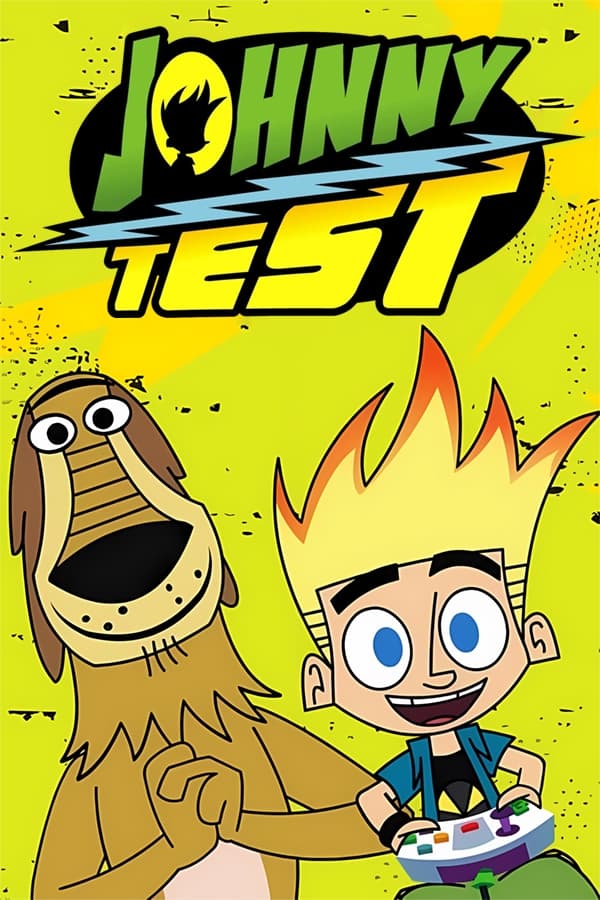
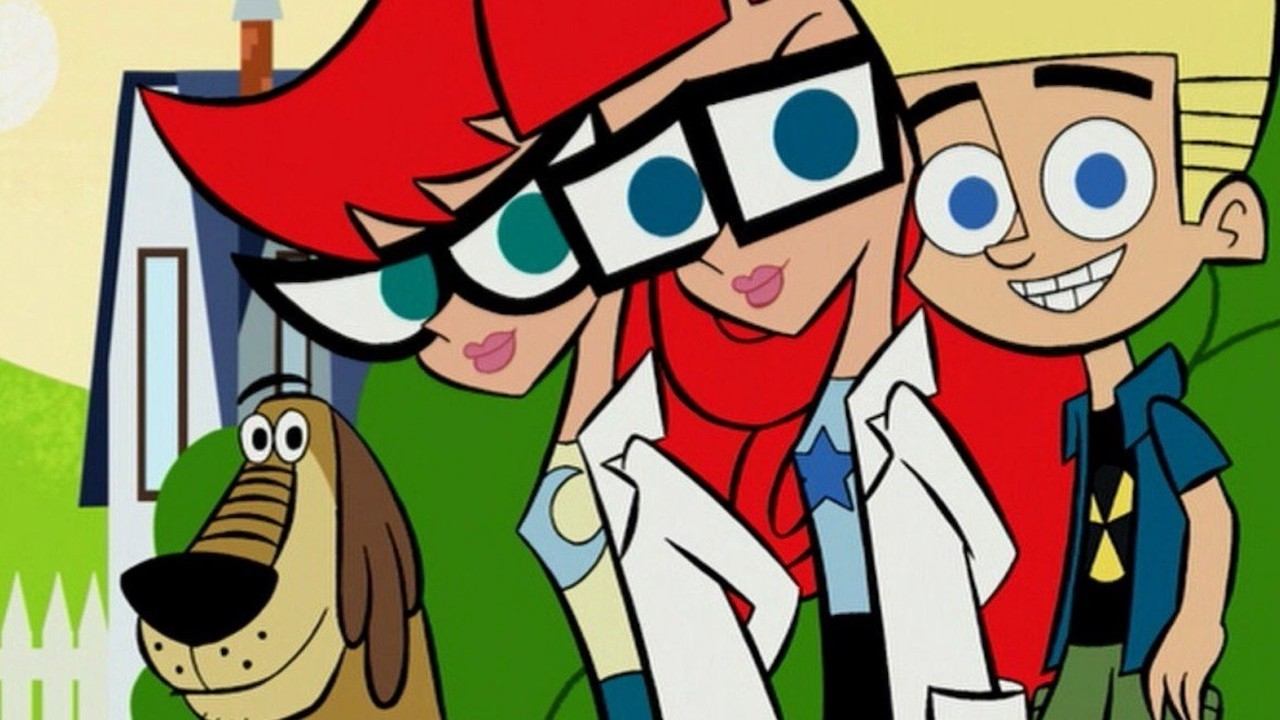
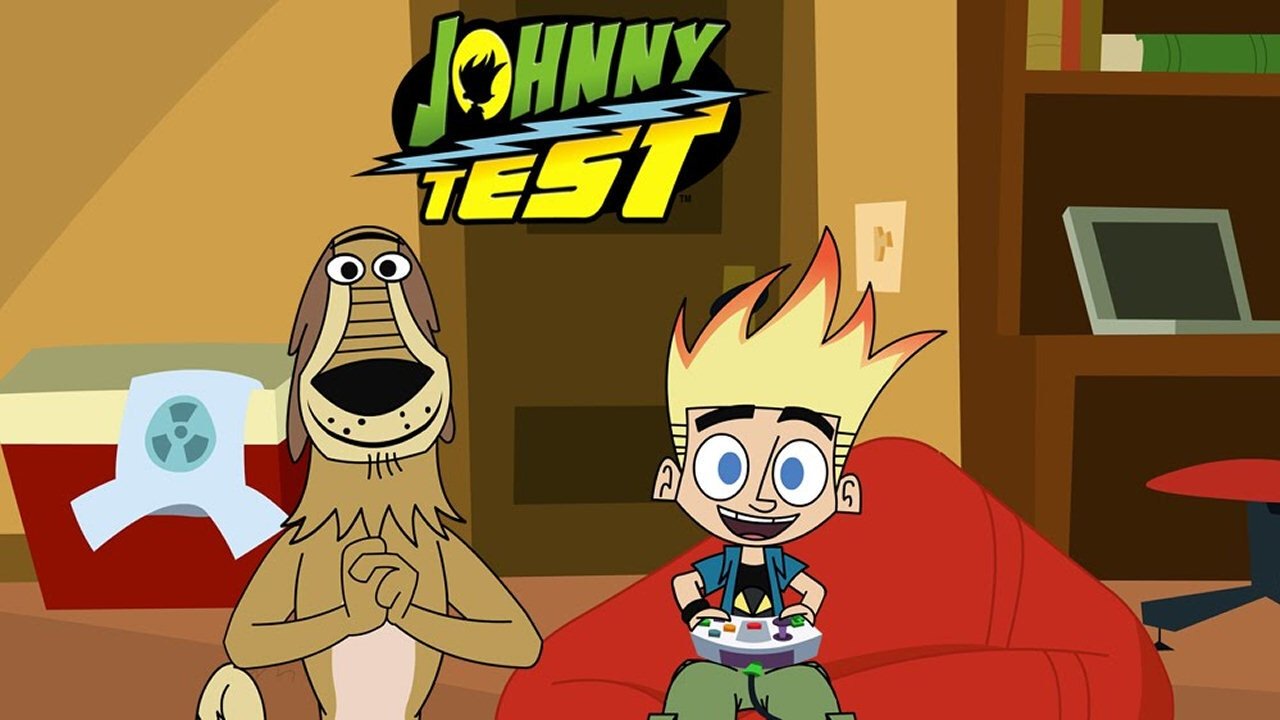
The problem isn't that it's "bad" in a way that’s harmful—it’s just aggressively uninspired. The sisters, Mary and Susan, are genius tropes; the talking dog, Duke, is a sarcasm trope; and Johnny is the "extreme" kid trope. There’s a version of this show that actually explores the cool sci-fi concepts the sisters cook up, but Johnny Test almost always chooses the loudest, most predictable punchline instead. If your kid is into the "mad scientist" vibe, they’ll find much better writing in shows that don't rely so heavily on slapstick.
Breaking the Netflix loop
Because it’s a staple on Netflix and Hoopla, Johnny Test often becomes the default choice when the "Up Next" timer hits zero. It’s easy to let it run for three hours because it never really challenges the viewer. However, if you find your household is getting a bit too accustomed to the hyperactive energy of Johnny’s suburban chaos, you might want to pivot.
You don't have to keep paying for a premium subscription to find better "background" entertainment. There are plenty of free series for kids that offer a similar episodic, easy-to-digest format without the constant sensory assault.
How to use it (if you must)
If your kid is genuinely hooked on the gadgetry and the "what if" scenarios of the sisters' lab, you can actually turn that into a win. The show is essentially a series of unintended consequences. Every episode starts with an invention and ends with a disaster.
Instead of just letting the noise wash over them, ask what the sisters should have done differently. If Johnny wants to travel through time or turn into a monster, what's the actual scientific trade-off? It’s a way to inject a little bit of critical thinking into a show that is otherwise designed to keep the brain in neutral. It’s not going to turn Johnny Test into high art, but it might make those 22 minutes feel a little less like a total wash.