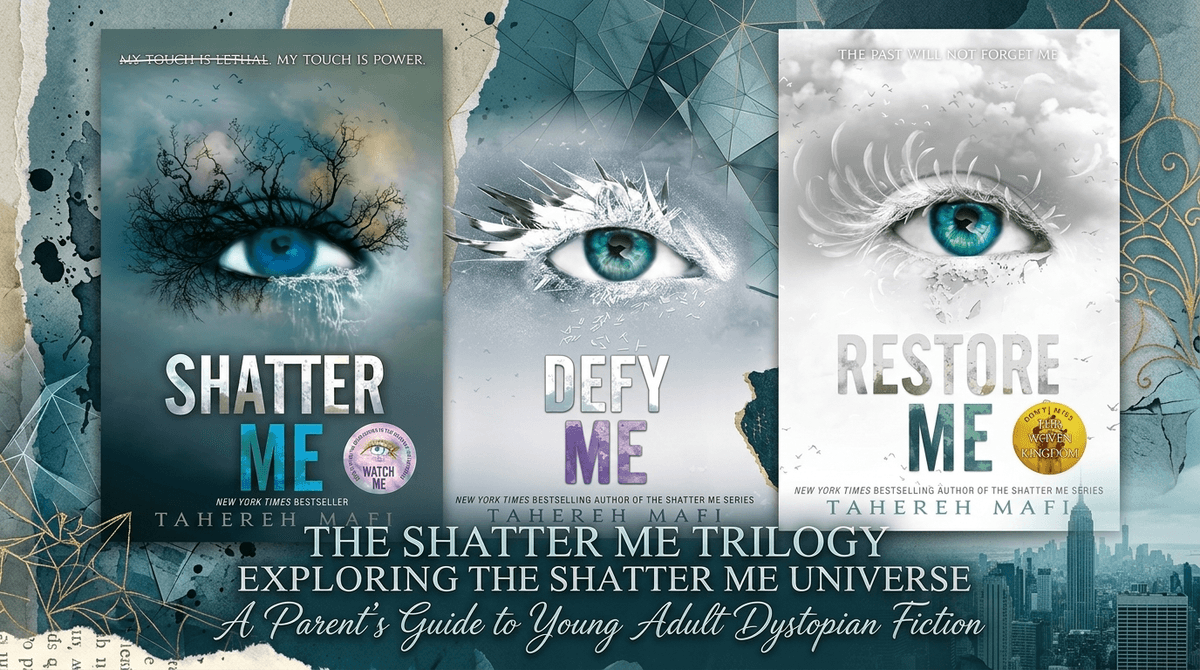
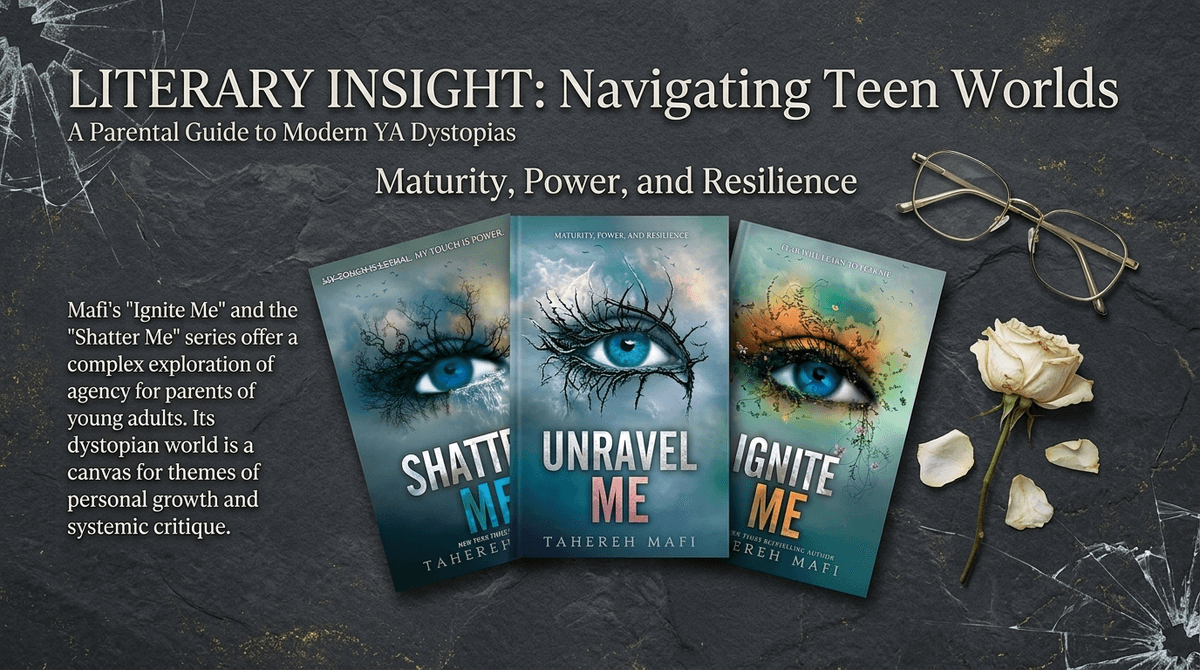
The moment the series grows up
If the first two books in this series were about Juliette hiding from her own shadow, Ignite Me is the moment she finally steps into the sun and realizes she can burn things. For readers who found the early entries a bit too focused on teenage angst and internal monologues, this is the payoff. It’s a total pivot from "girl with a curse" to "woman with a weapon."
The pacing here is significantly tighter than its predecessors. We’ve moved past the sterile hallways of the first book and the bunker-mentality of the second. This is a war story, but it’s one where the psychological battle is just as loud as the literal one. Tahereh Mafi’s writing style is famously poetic—some might call it overwrought—but in this installment, the prose starts to feel more grounded as Juliette herself gains a sense of self.
The "Warner" of it all
You can’t talk about this book without talking about the massive romantic shift. This is the volume where the "Team Adam" vs. "Team Warner" debate usually ends for most readers. Warner is the complicated, high-functioning "villain" who turns out to be the only person who actually understands Juliette’s power.
It’s a classic enemies-to-lovers arc, but Mafi plays it with more nuance than your average dystopian trope. If your teen is obsessed with this series, they are likely talking about Warner. It’s worth noting that the romantic tension is high, and this is where the series earns its reputation for being spicy. For a deeper look at how the physical intimacy and dystopian grit stack up, check out our parent’s guide to Ignite Me.
Why it sticks the landing
Many dystopian trilogies (or series that were intended to be trilogies) fall apart in the home stretch by focusing too much on the logistics of the rebellion and not enough on the characters. Ignite Me avoids this by keeping the camera zoomed in on Juliette’s transformation.
- Adam’s descent: Watching a "hero" character become bitter and reactive is a bold choice that adds a lot of realism to the story.
- The power fantasy: There is something genuinely cathartic about a protagonist who has been told she is a monster finally deciding that being a monster is actually quite useful.
- The stakes: The violence isn't just for show; it carries weight because we’ve spent three books watching these characters try to avoid it.
If your kid is tearing through these, they’ll likely want to jump straight into the later books, which lean even harder into the psychological trauma and high-octane romance. You can see what's coming next in our reality check on Defy Me.
If they liked The Hunger Games or Red Queen
This is the natural next step for fans of Victoria Aveyard or Suzanne Collins. While The Hunger Games is more focused on the socio-political mechanics of revolution, Ignite Me is more interested in the personal cost of being a symbol. It’s less about the "how" of the war and more about the "who" Juliette becomes because of it.
The Amazon rating of 4.6 reflects how much fans adore this specific turning point. It’s the high-water mark for the first half of the series, delivering exactly the kind of emotional explosion the title promises. Just be prepared for some very intense dinner-table debates about whether a "villain" can ever truly be redeemed.