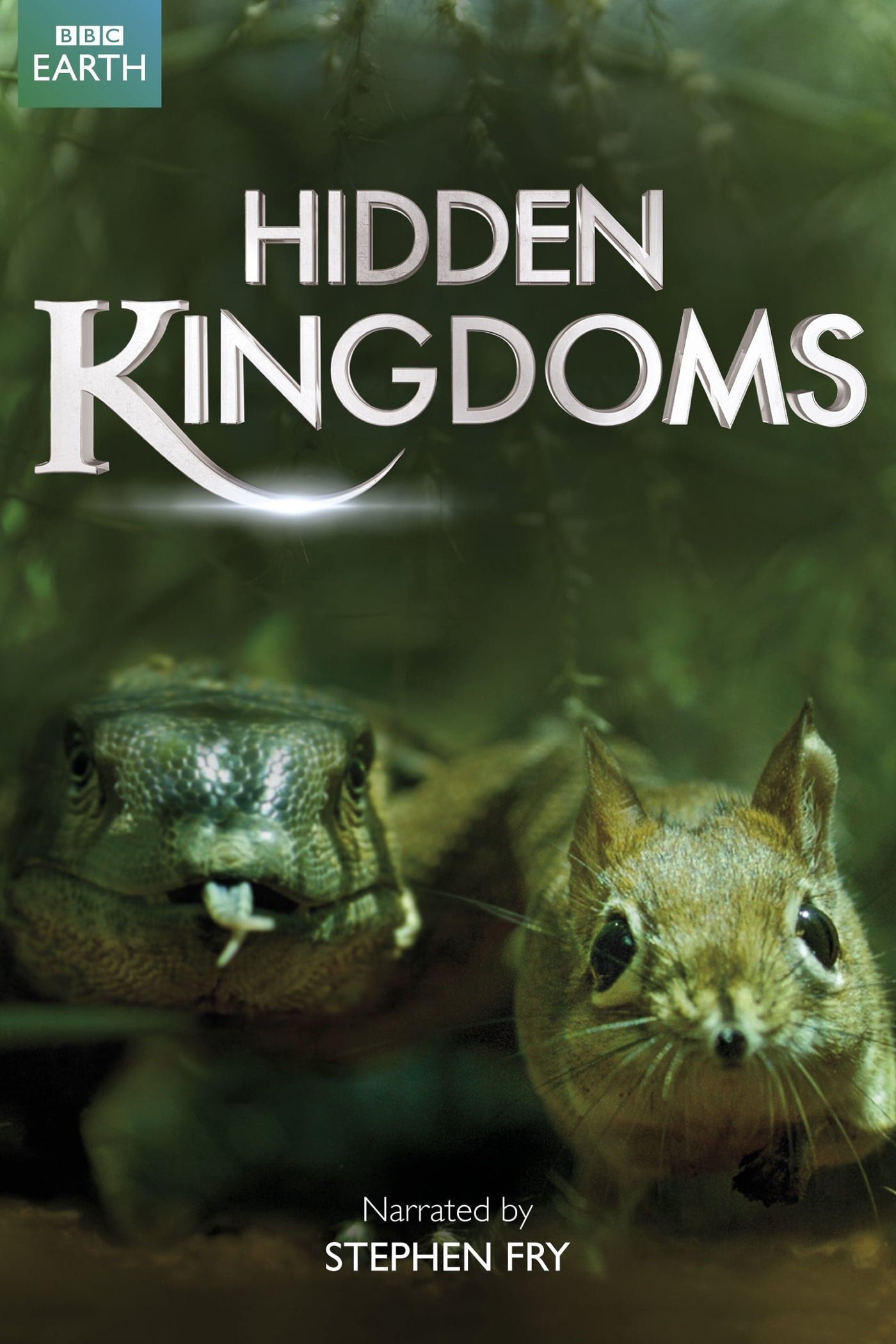
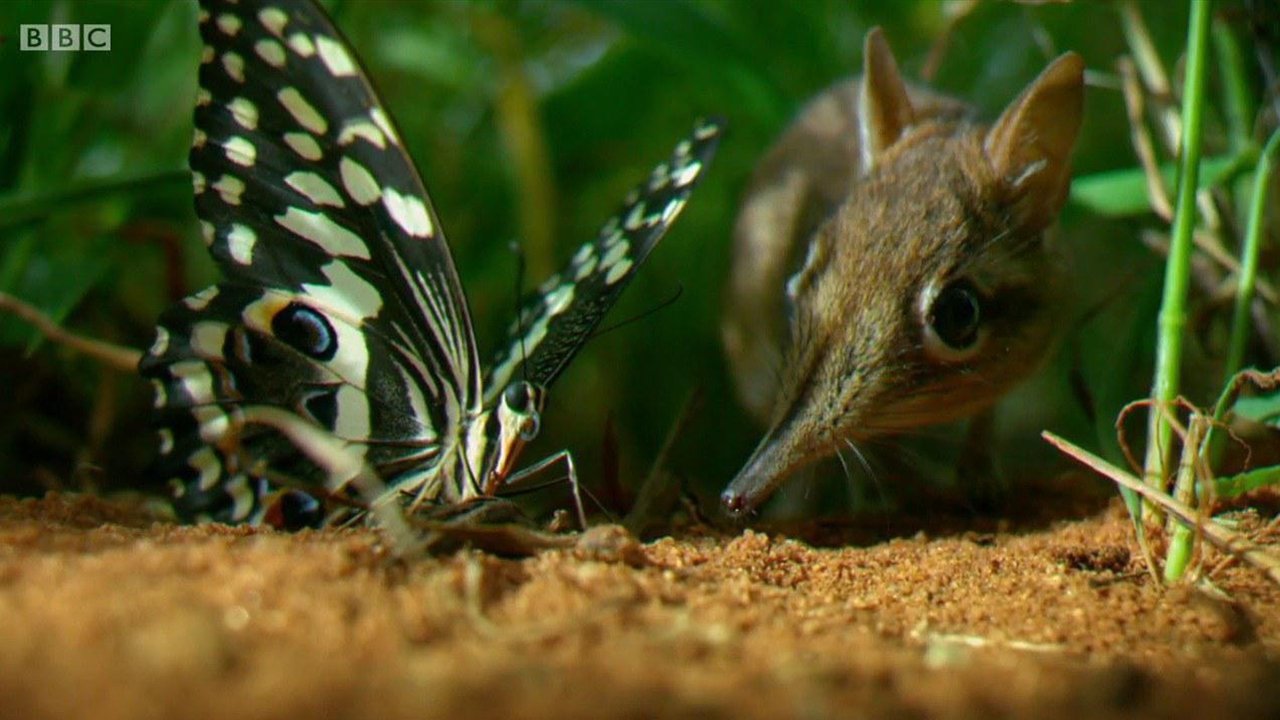
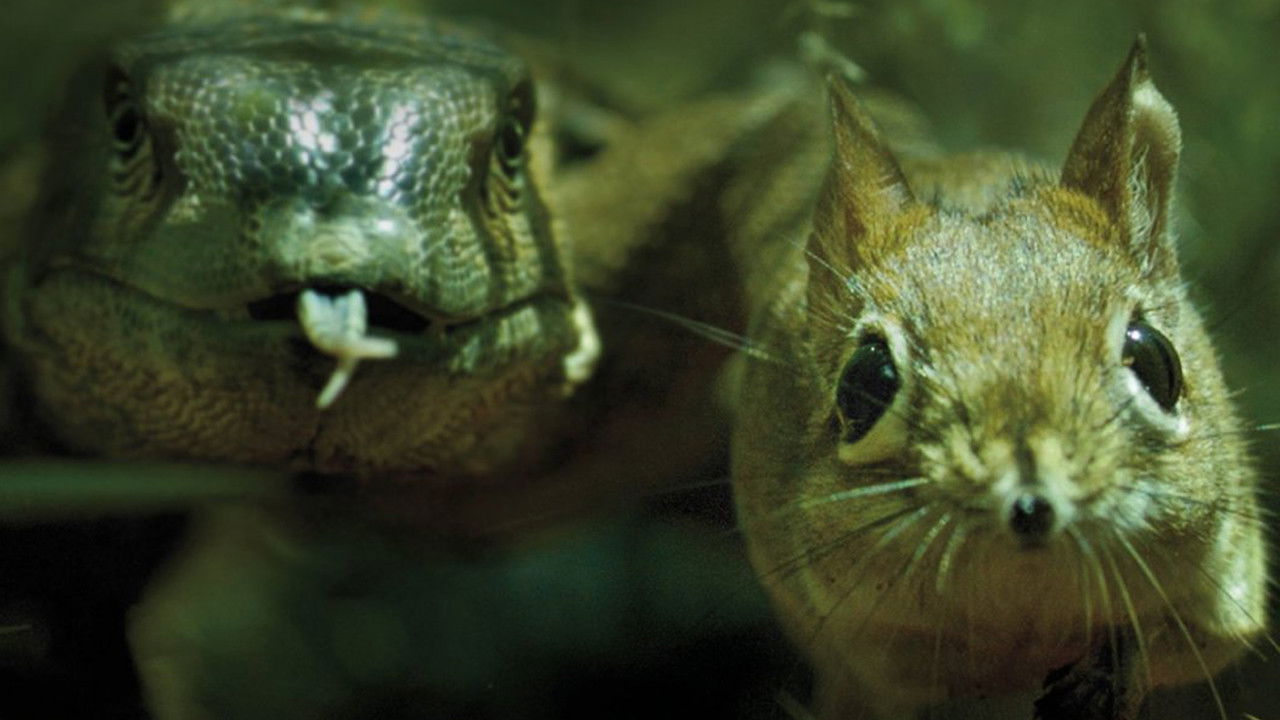
Most nature documentaries treat the camera like a fly on the wall. Hidden Kingdoms treats it like a GoPro strapped to a parkour runner. It is a three-part BBC series that essentially pioneered a specific genre: the nature-action movie. Instead of a wide shot of a savanna, you are looking at a beetle from the perspective of a blade of grass. It is fast, loud, and genuinely thrilling.
The show focuses on the underdogs: the chipmunks, mice, and sengis that usually get five seconds of screen time before a lion shows up. Here, they are the protagonists. They have quests. They have enemies. If your kid is into the high-stakes drama of survival stories or the frantic energy of a Pixar chase sequence, this is the rare documentary that will actually hold their attention without you needing to bribe them with popcorn.
The "Staged" Controversy
Some critics were annoyed by this show when it first aired because the production used "animal actors" and studio sets to get certain shots. In the world of purist nature filmmaking, that is often seen as a betrayal of the format. But for a family audience, it is a feature.
These staged sequences allow for camera angles that would be physically impossible in the wild. You get to see a tiny creature outrun a predator with the kind of choreography usually reserved for a big-budget heist film. This makes it a perfect entry point for STEM documentaries that spark real curiosity because it invites a conversation about how media is made. You can ask: "How did they get the camera there?" It is an easy win for media literacy. You can talk about the difference between a "nature film" and a "nature documentary" without it feeling like a lecture.
Why Scale Matters
We have all seen the sweeping shots of the Serengeti. They are beautiful, but they are also distant. Hidden Kingdoms works because it scales everything down to a relatable level. A rainstorm isn't just weather; it is a series of liquid bombs falling from the sky. A rustling bush isn't just wind; it is a monster.
This shift in scale makes the stakes feel immediate. It is less about the majesty of the planet and more about the grind of being small. If you have a kid who finds the slow pace of traditional nature shows boring, this is the antidote. It is short, punchy, and looks better on a modern TV than almost anything else released in 2014. It takes the "boring" out of biology by making the backyard feel as dangerous and exciting as a jungle.