The lightning in a bottle
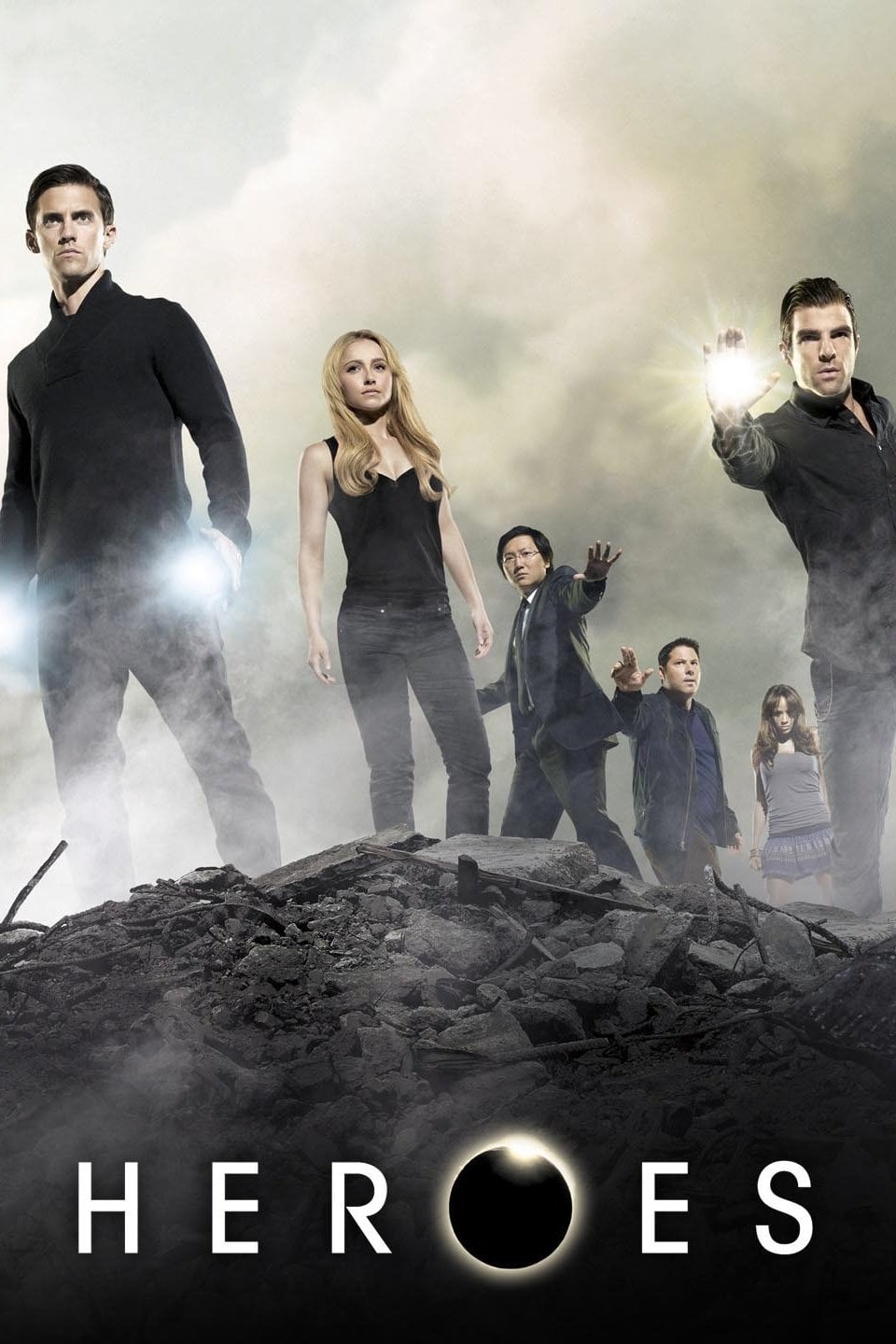
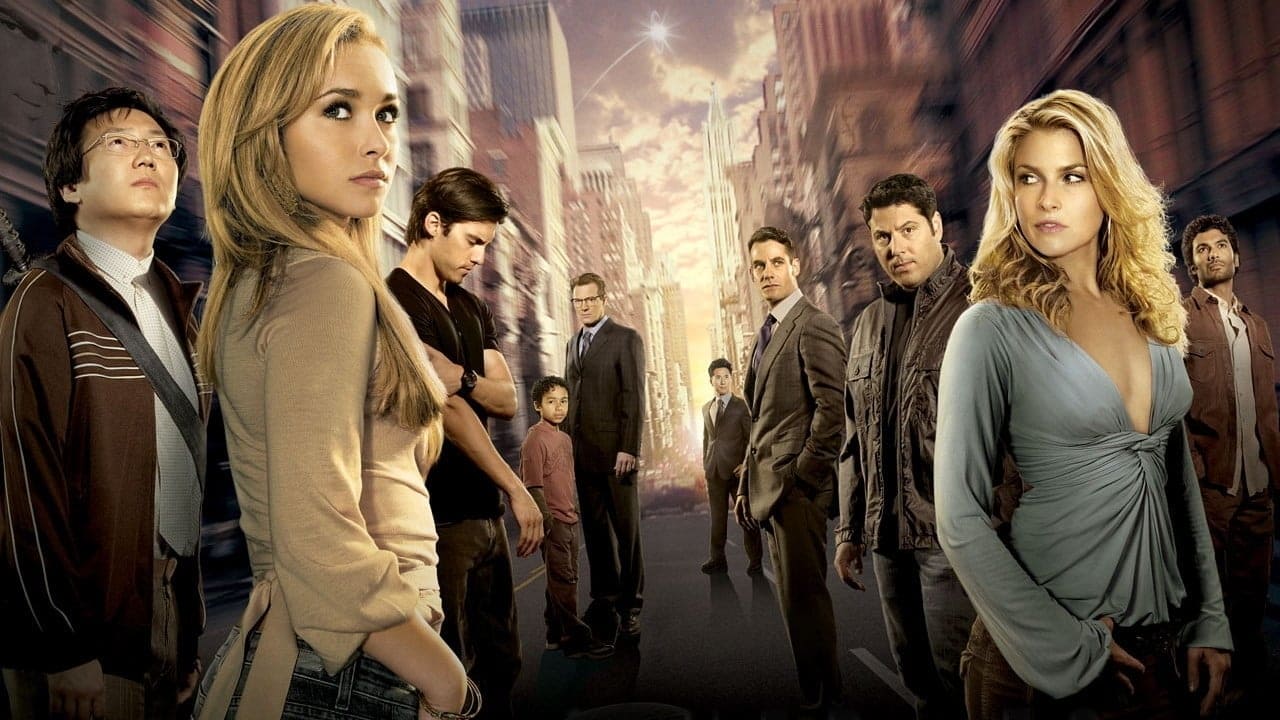
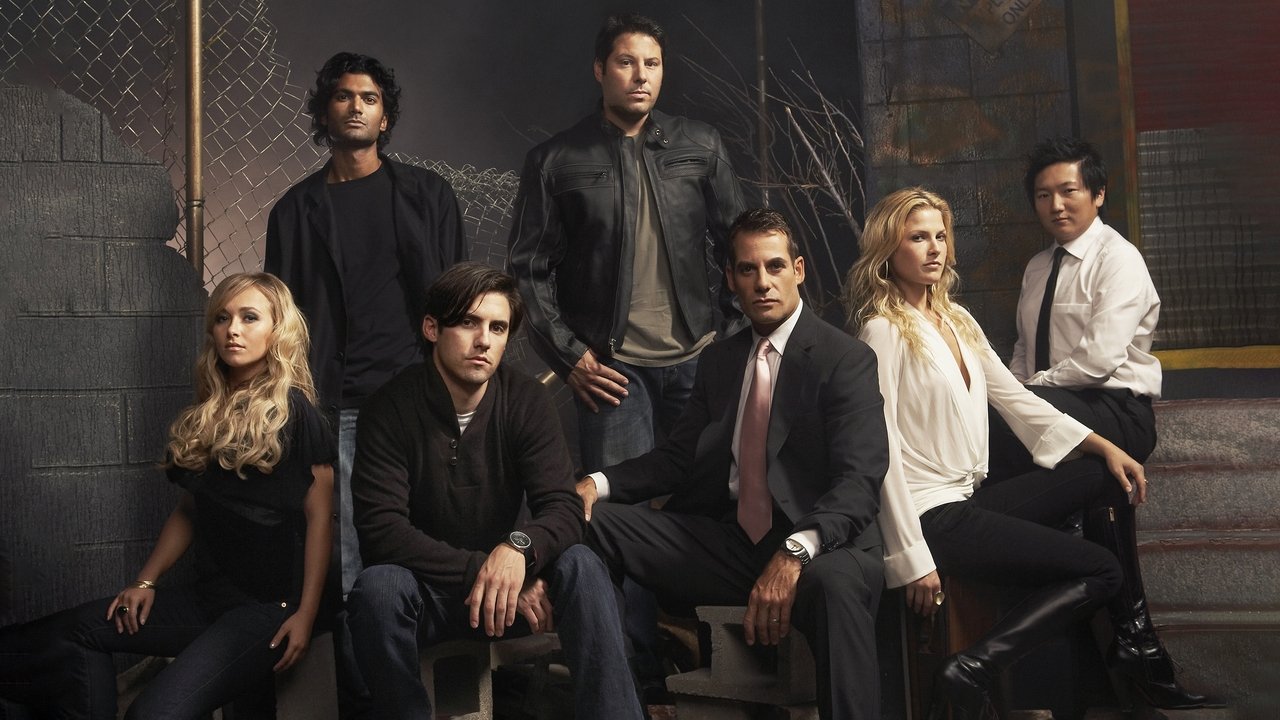
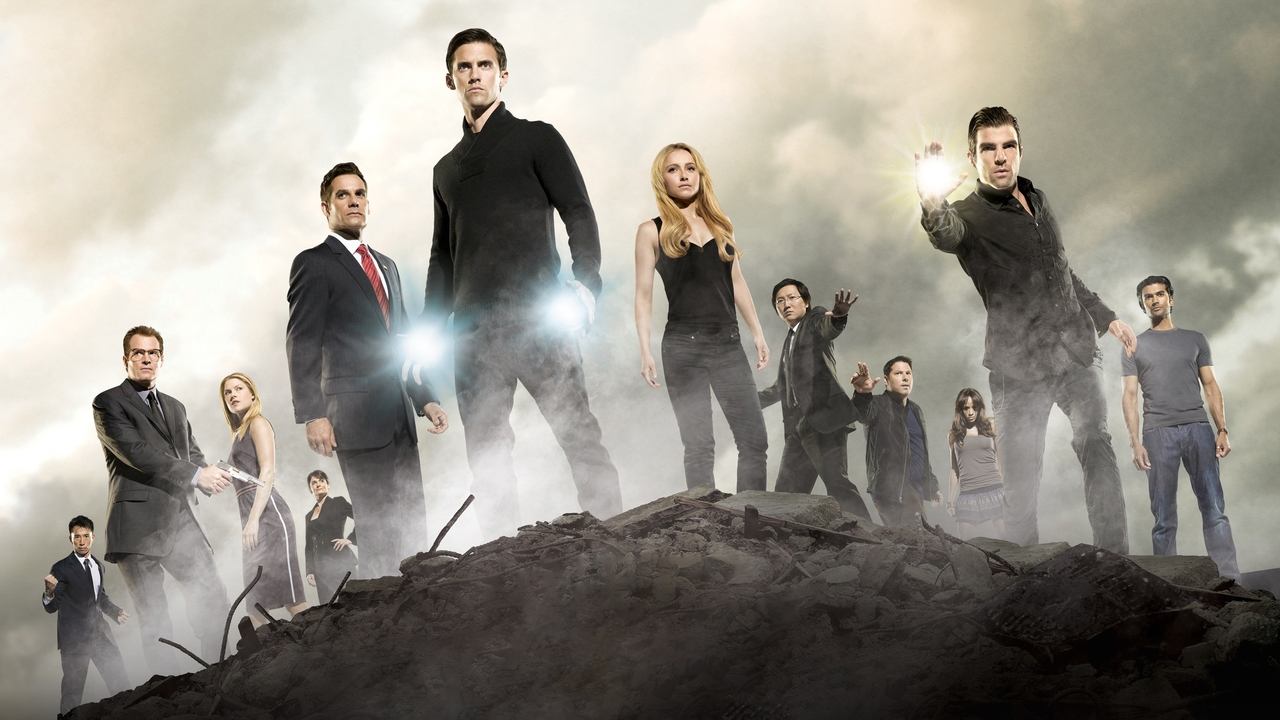
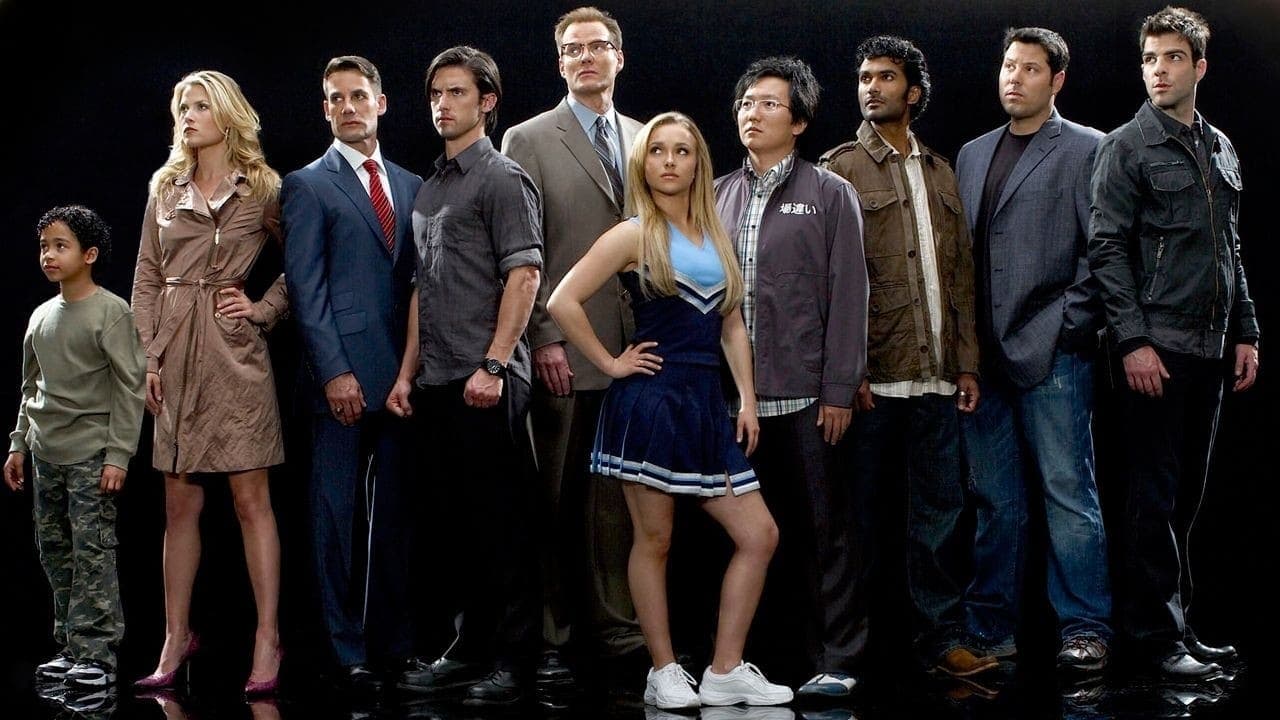
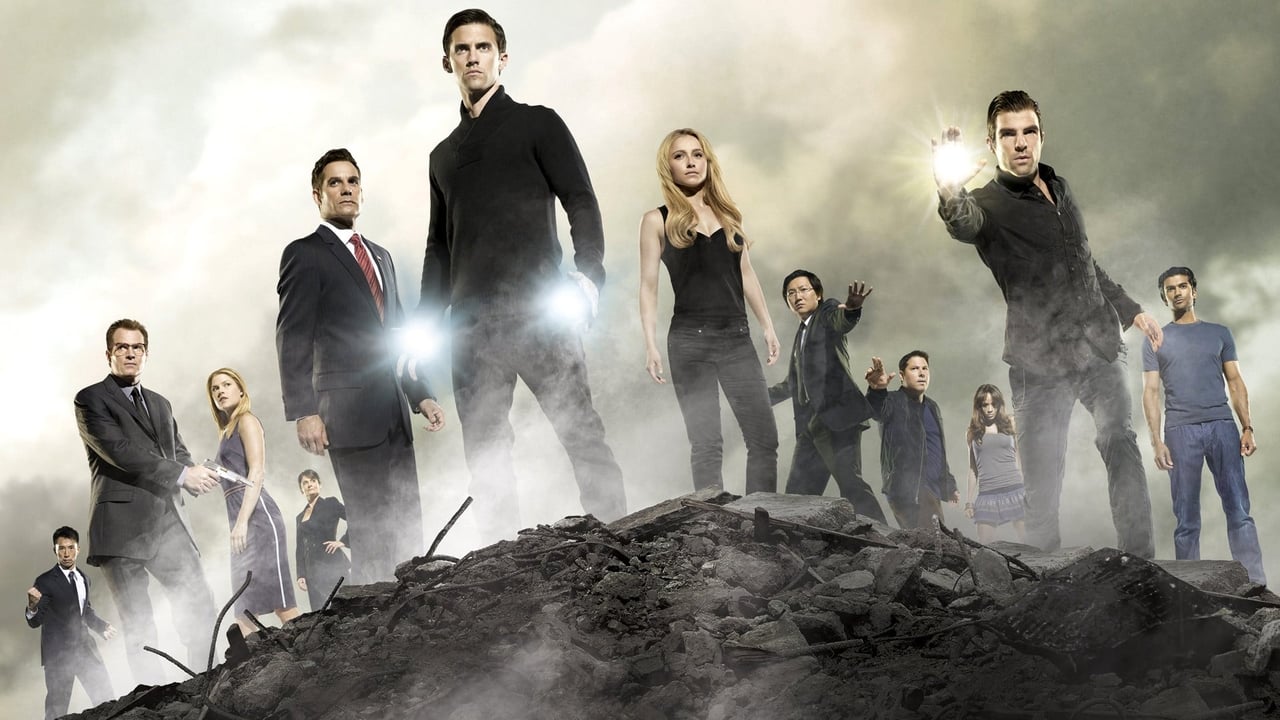
In 2006, Heroes was the closest thing television had to a blockbuster movie. This was before the MCU made superheroes the default setting for pop culture. Back then, seeing a guy fly or a girl walk through fire on a broadcast budget felt miraculous. Season 1 is essentially a high-stakes puzzle where characters in Tokyo, New York, and Texas slowly realize they are part of the same picture.
If your teen is used to the polished, quippy formula of modern Marvel, this will feel different. It’s slower, moodier, and much more interested in how a superpower would actually ruin your life before it helps you. The show treats its premise like a sci-fi thriller rather than a costume drama. There are no capes here—just hoodies, suits, and a lot of existential dread.
The Sylar problem
The reason for that 14+ rating isn't just the occasional "adult" theme; it’s the horror-movie level of violence centered around the show's primary antagonist. Sylar doesn't just fight people; he hunts them to "see how they work," which involves graphic brain surgery while the victim is still conscious.
While the show has a 7.5 on IMDb, the "severe" warning for violence is no joke. We’re talking about characters being pinned to walls with kitchen knives or discovering bodies hidden in floors. It’s visceral in a way that The Avengers never is. If your kid is sensitive to "body horror" or medical-adjacent gore, this is a hard pass. But for a teen who grew up on Stranger Things, the level of intensity will feel familiar.
The binge-watch trap
There is a very real danger in starting Heroes in the streaming era: the cliffhanger. Season 1 ends on a massive high, but the quality drop-off in Season 2 is one of the most famous nosesdives in TV history.
Because the show was hit by a major writers' strike during its original run, the plotting becomes frantic and nonsensical. Characters gain and lose powers for no reason, and the "rules" of the world break constantly. If your teen is a completionist, they might feel obligated to power through all four seasons, but the 52% critic score on Rotten Tomatoes is a fair warning. It becomes a slog.
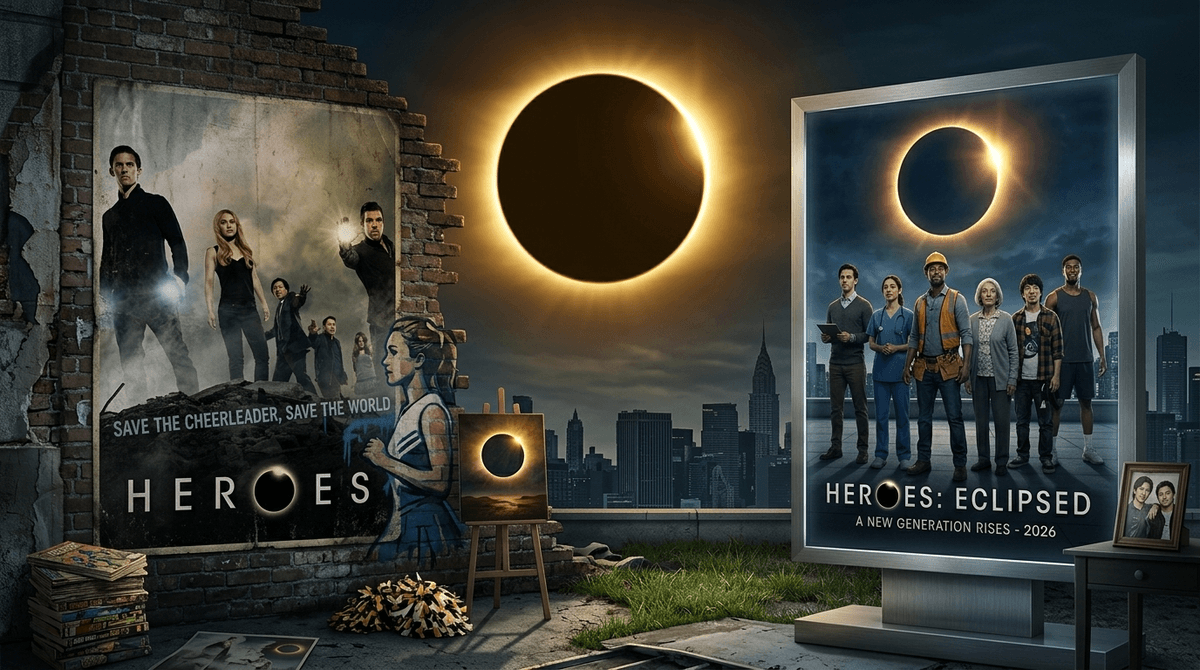
If you're wondering if the recent franchise revival changes things or want a refresher on the lore, check out our parent's guide to Heroes for the breakdown on the new reboot and how it fits into the original timeline.
If they liked X, try this
- If they liked X-Men '97: This is the live-action, gritty version of that "feared and hated" mutant dynamic.
- If they liked Lost: Heroes uses the same "mystery box" style of storytelling where every episode answers one question but asks three more.
- If they liked Chronicle: It shares that same "amateur footage" and "scary power" vibe, especially in the early episodes.
The best way to handle Heroes is to treat Season 1 as a standalone miniseries. Watch the finale, appreciate the journey, and maybe skip the years of confusion that followed. It’s a relic of a specific era of TV—ambitious, messy, and occasionally brilliant—that works best if you don't look too closely at the seams.