The 90s Syndication Time Capsule
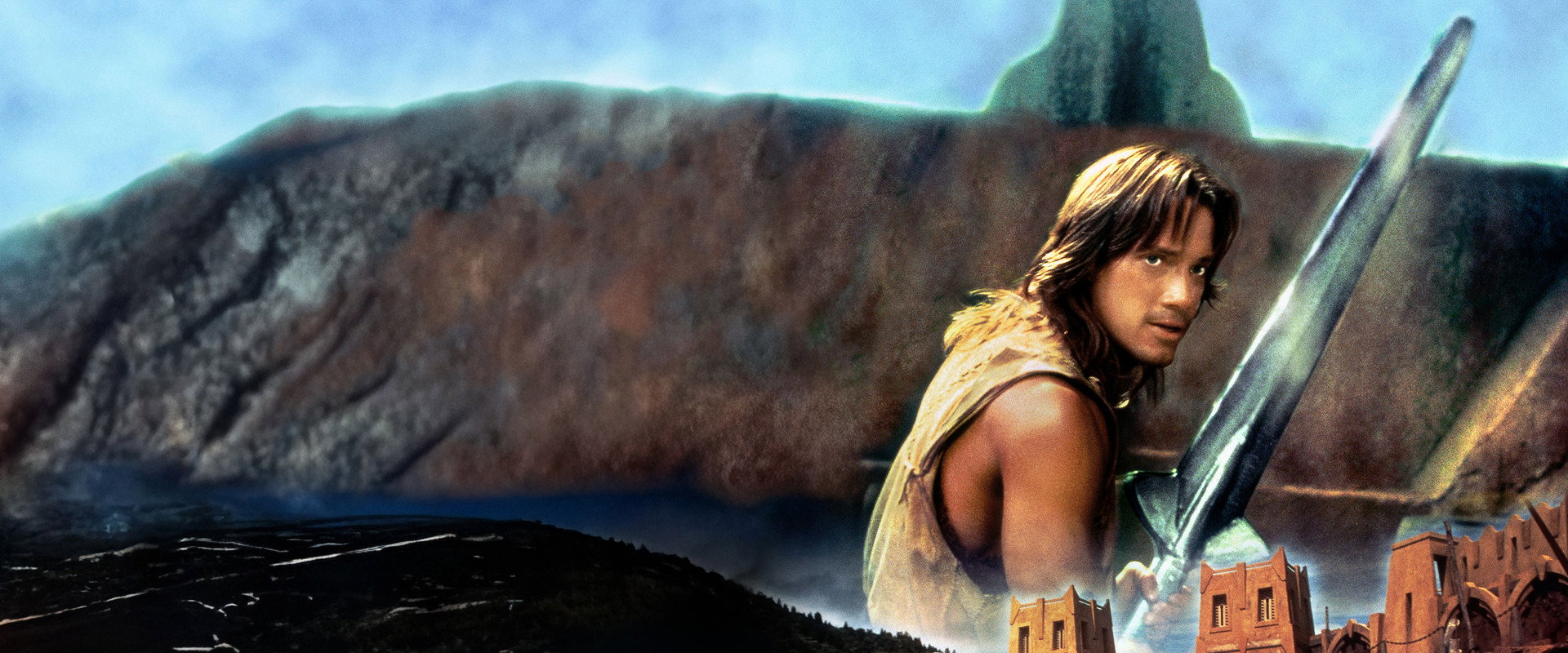
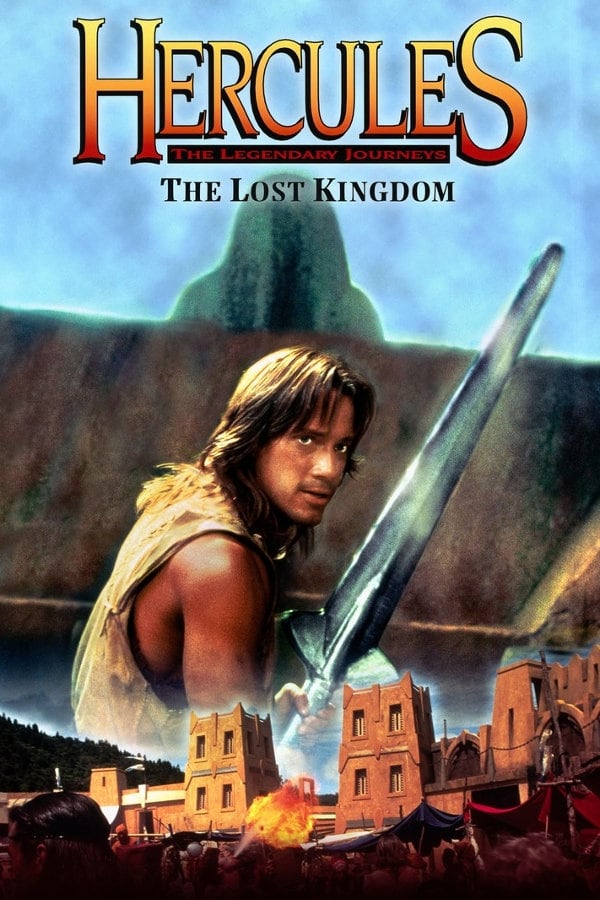
If you grew up in the mid-90s, you remember a very specific flavor of television: lots of leather vests, brown-and-gray sets, and CGI that looked like a Windows 95 screensaver. Hercules and the Lost Kingdom is the quintessential example of that era. It’s not a theatrical blockbuster; it’s a feature-length pilot meant to sell a TV series. Because of that, the stakes feel manageable and the world feels small.
The plot follows the hero as he helps a woman find the lost city of Troy, which has been overrun by the Blue Priests of Hera. It’s a straightforward "save the refugees" story that lacks the complexity of modern fantasy. For a kid raised on the high-octane, billion-dollar spectacle of the MCU, this movie will feel quaint. The pacing is deliberate, and the action sequences are choreographed with a clarity that modern "shaky cam" editing has mostly killed off. You can actually see every punch and sword swing, which is a plus for younger viewers who find modern action too chaotic.
Managing Modern Expectations
The biggest hurdle for a 2026 audience is the production value. The "Lost Kingdom" of Troy looks less like an ancient civilization and more like a very clean park in Southern California. The Blue Priests are essentially guys in robes and body paint. If your kid is the type to get hung up on why the monsters look like rubber puppets, they are going to have a rough time here.
However, there is a certain charm to the earnestness. Unlike today’s "meta" humor where characters constantly wink at the camera or make fun of the premise, this movie plays it straight. Hercules is a guy who helps because it’s the right thing to do. There’s no brooding or complicated "anti-hero" arc. If your kid is a reluctant reader who usually gravitates toward simpler, character-driven mysteries like Geronimo Stilton, they might actually appreciate the uncomplicated heroism on display here.
The "Gateway" Factor
Critics weren't exactly blown away by this one, and the audience scores on Rotten Tomatoes and Letterboxd reflect a general "it’s fine" sentiment. It sits firmly in the mediocre range for a reason. It doesn't take the risks that a cult classic like The Lost Boys did for the horror genre. Instead, it stays in its lane as safe, syndicated entertainment.
Think of this as a "gateway" movie. It’s a low-stress way to introduce the concept of Greek mythology without the heavy baggage or gore of a more adult adaptation. It’s the kind of movie you put on in the background while building Legos or drawing. It doesn't demand your full attention, but it provides a consistent, heroic vibe that’s increasingly hard to find in an era of gritty reboots. Just be prepared to explain why the special effects look the way they do—it's a history lesson in TV technology as much as it is a story about Troy.