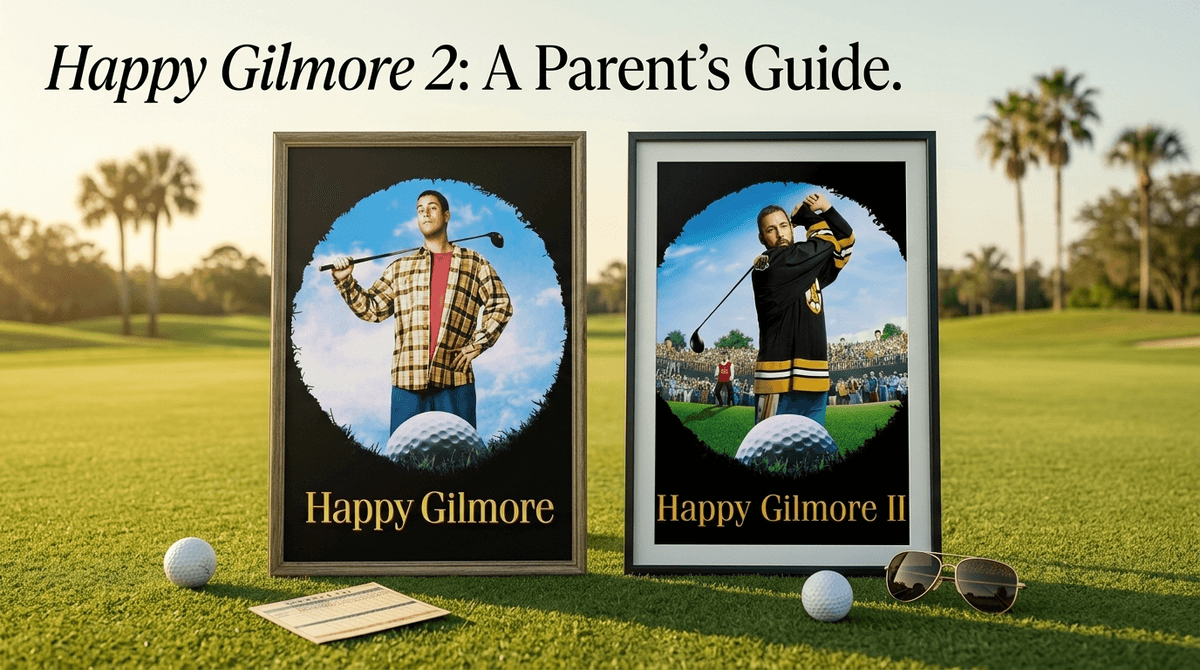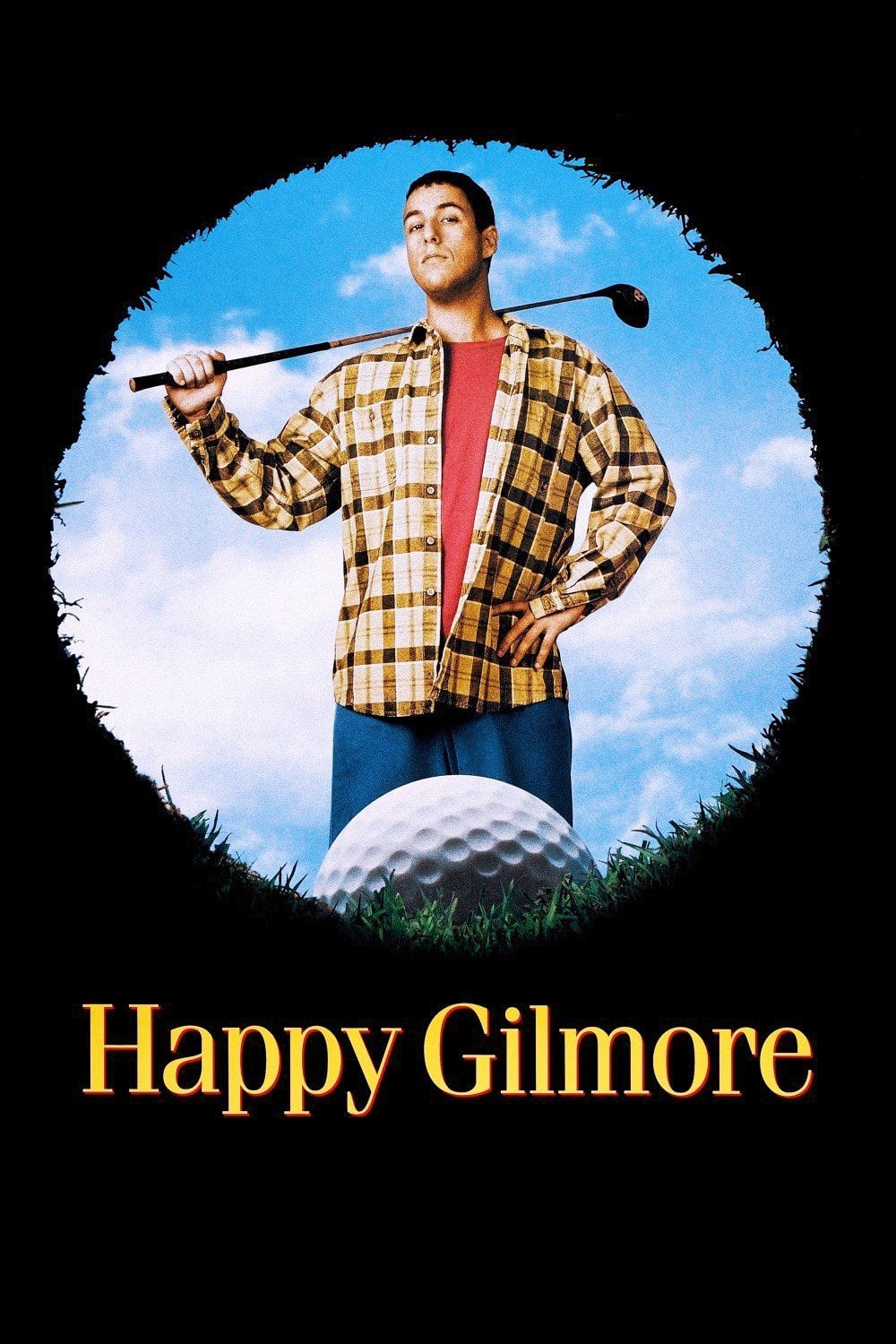

Happy Gilmore

Happy Gilmore

movie

PG-13, 1996, Comedy, Sport

WISE
42%

WISE Score

65

Avg. Tomatometer

Adam Sandler's angry hockey reject punches his way through the PGA Tour in this crude 90s comedy that's more aggressive than wholesome.

IMDb7
RT Critics65%
MC31
TMDB6.7
Common Sense Media
Where to Watch
Loading streaming options...
Screenwise Verdict

Happy Gilmore is peak mid-90s Adam Sandler: a legitimately clever premise (hockey skills meet golf!) buried under layers of crude humor, constant violence, and aggressive man-child behavior. The film has undeniable nostalgic charm for Gen X and elder Millennials, but let's be real—it's not a great choice for family movie night.

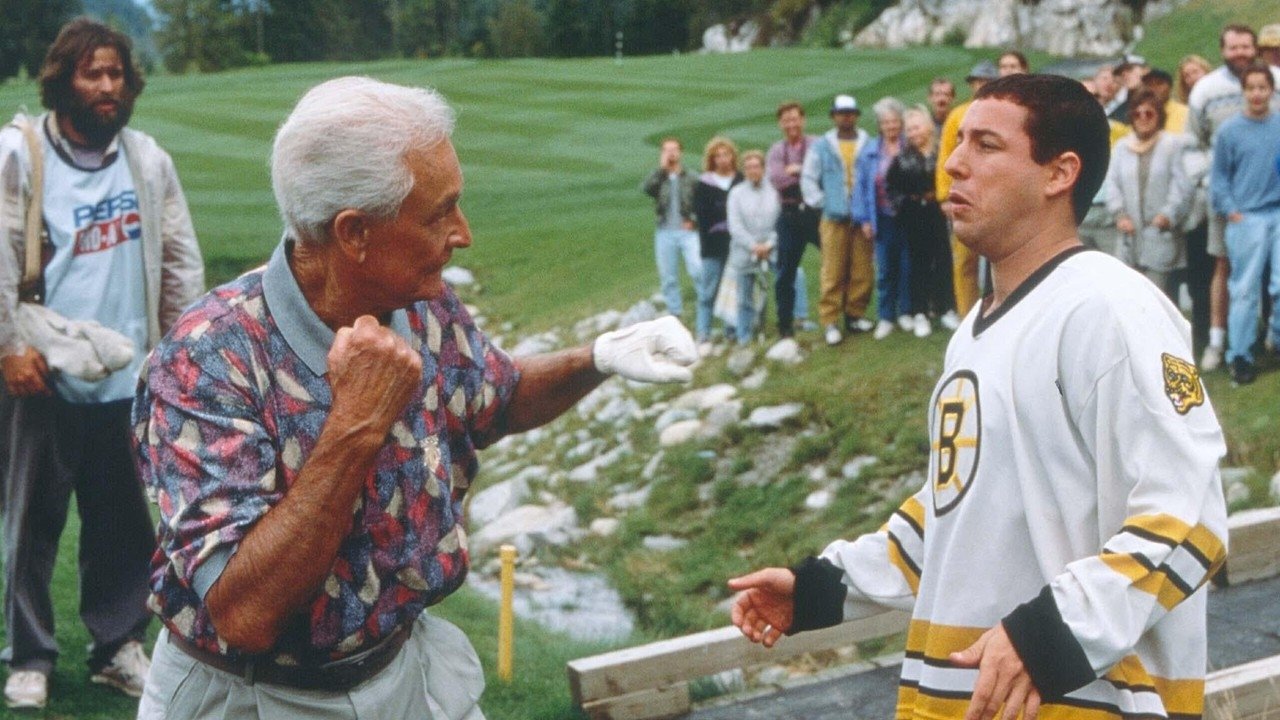
The biggest issue is that Happy is rewarded for his anger and violence throughout. He punches fans, fights Bob Barker (hilariously, but still), and generally treats everyone terribly. There's a thin redemptive arc about controlling his temper, but it's undercut by the fact that his aggression is the source of most of the comedy. The sexual humor and profanity push the PG-13 rating hard.

For modern kids, this is a tough sell. The pacing feels slow by today's standards, the humor is dated and often mean-spirited, and the whole vibe is aggressively 90s in a way that doesn't translate well. Teens 14+ might enjoy it as a cultural artifact or find some genuine laughs, but younger kids should skip it entirely. There are better sports comedies (The Sandlot, Bend It Like Beckham) and better Sandler movies (honestly, his newer family films are more appropriate even if less iconic).

If your teen wants to watch it because it's a 'classic,' fine—but maybe use it as a springboard to talk about how comedy has evolved and why we don't celebrate angry, violent protagonists quite as much anymore.
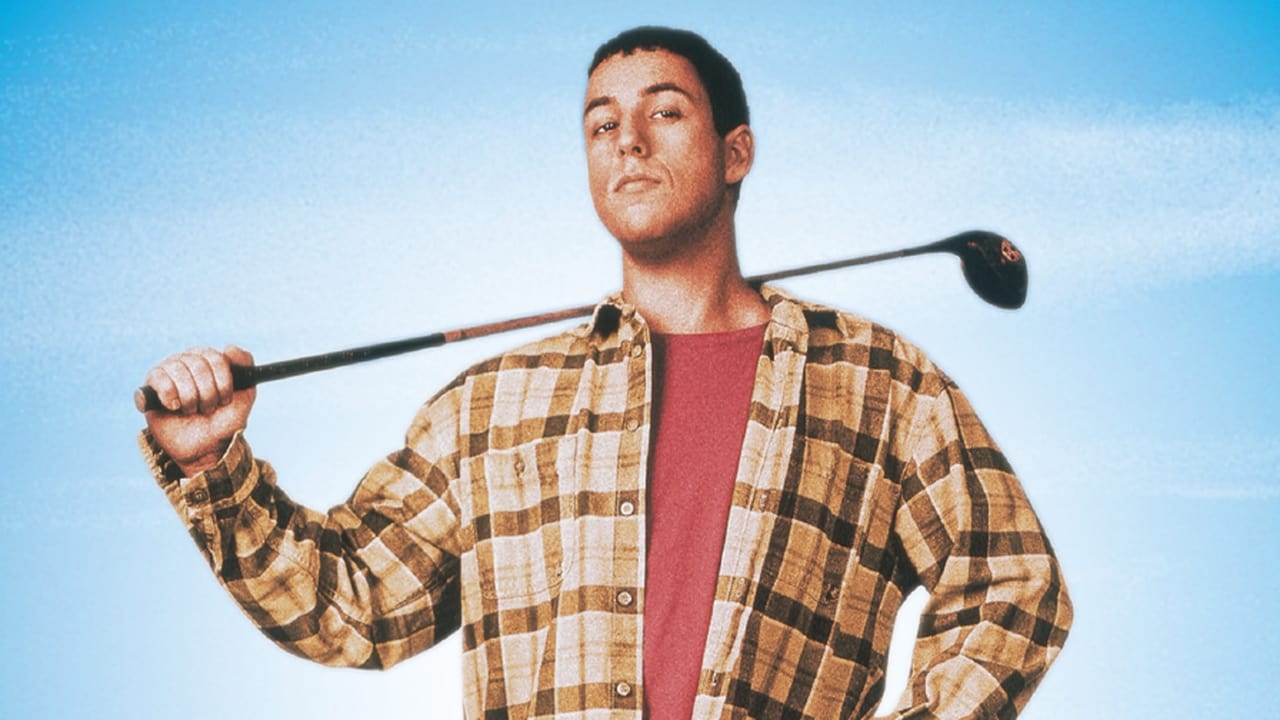
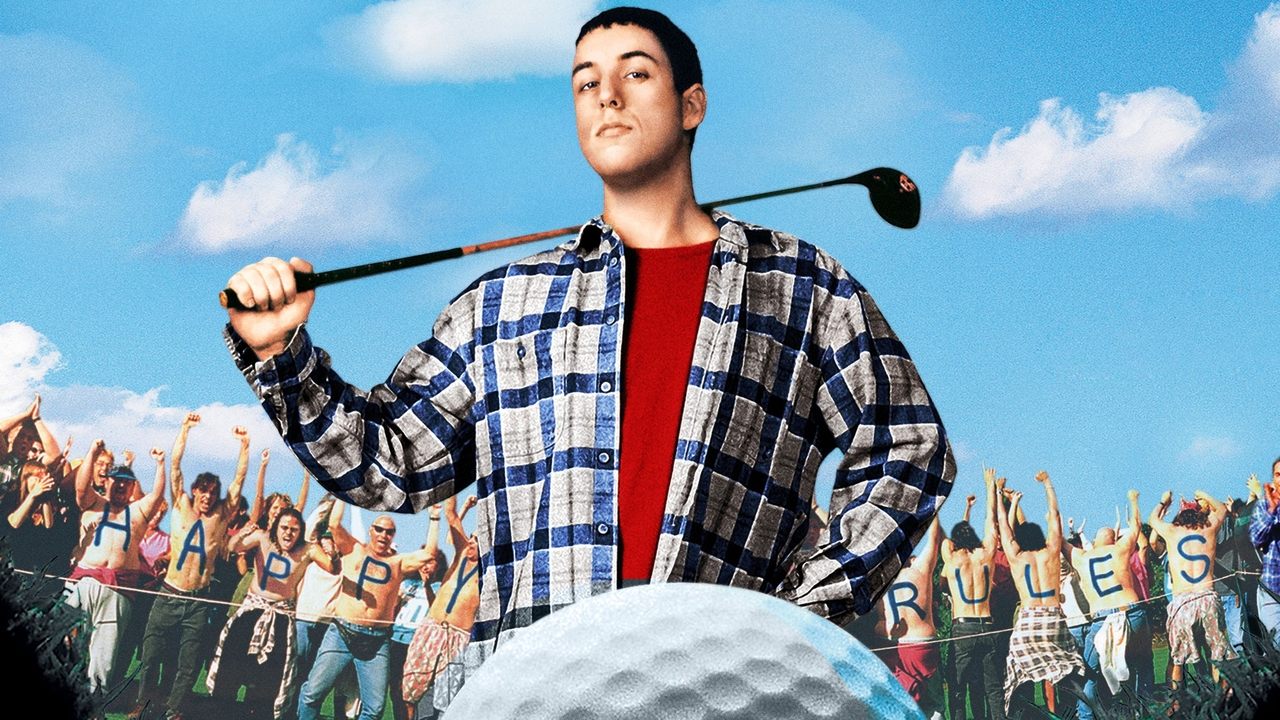
Age Fit

This is really for teens 14+ who can handle crude humor and understand that Happy's behavior is exaggerated comedy, not a role model. Younger kids won't get the jokes and will just see a guy punching people constantly. Honestly, even for teens, there are better comedies.

WISE Breakdown
Wholesome
48

Happy Gilmore is built around an angry, violent protagonist who literally solves problems with physical aggression (fighting Bob Barker, attacking fans). The humor relies heavily on meanness, humiliation, and crude behavior. While there's a sweet grandmother storyline and a redemptive arc about controlling anger, the overwhelming tone celebrates aggression and features constant insults, crude language, and hostile interactions. Not emotionally healthy modeling for kids.

Imaginative
62

The core premise—failed hockey player using slapshot skills to revolutionize golf—is genuinely creative and fun. The film has memorable, absurdist moments (fighting Bob Barker, the alligator, Chubbs' wooden hand) that show comedic imagination. However, it's a fairly straightforward sports underdog story that doesn't invite much creative engagement from viewers beyond passive entertainment. It's imaginative in concept but not in execution or audience participation.

Safe
52

PG-13 comedy with significant content concerns: frequent physical violence played for laughs, crude sexual humor and innuendo, profanity throughout (though not extreme), alcohol use, and generally aggressive behavior modeled as acceptable. The violence includes fistfights, a brutal hockey brawl flashback, and Happy attacking spectators. There's sexual content including strippers and suggestive scenes. Not graphic or traumatic, but definitely inappropriate for younger viewers and pushes PG-13 boundaries. Parents would not want young kids stumbling into this.

Enriching
45

Limited enrichment value. The film has a surface-level message about controlling anger and finding your true calling, but it's undermined by celebrating Happy's aggression throughout. There's a perseverance-through-adversity theme and some commentary on sportsmanship, but these are shallow. The humor is largely crude and mean-spirited rather than clever. Entertainment value exists for teens/adults who enjoy early Adam Sandler comedy, but it offers minimal cognitive growth, ethical modeling, or meaningful takeaways.

Parent Info

Why It Might Be Great

  • Genuinely funny premise: failed hockey player revolutionizes golf with slapshots and rage
  • Iconic 90s comedy moments that older teens and adults quote endlessly (Bob Barker fight, 'the price is wrong, bitch')
  • Underdog sports story with a message about finding where you belong, even if it's delivered crudely
  • Could spark conversations about anger management and channeling emotions productively (ironically, since Happy mostly doesn't)
  • Nostalgic watch for parents who grew up with it, though kids may find it dated

What to Watch For

  • Constant physical violence: Happy punches fans, fights celebrities, attacks other golfers—all played for laughs
  • Crude sexual humor, stripper scenes, and innuendo throughout
  • Profanity (including some creative insults) and generally mean-spirited humor
  • Protagonist is literally an anger management case study who rarely faces real consequences
  • The comedy hasn't aged gracefully—what was edgy in 1996 often feels unnecessarily aggressive now

Conversation Starters

  • "Happy has a serious anger problem. What do you think would actually happen if someone acted like that in real life?"
  • "The movie makes fun of golf being 'boring' and 'stuffy.' Do you think there's value in traditions and rules in sports?"
  • "Happy's trying to save his grandma's house. Have you ever had to do something really hard for someone you love?"
  • "Shooter McGavin is a total villain, but Happy's pretty mean too. Who do you think is worse and why?"
Stills
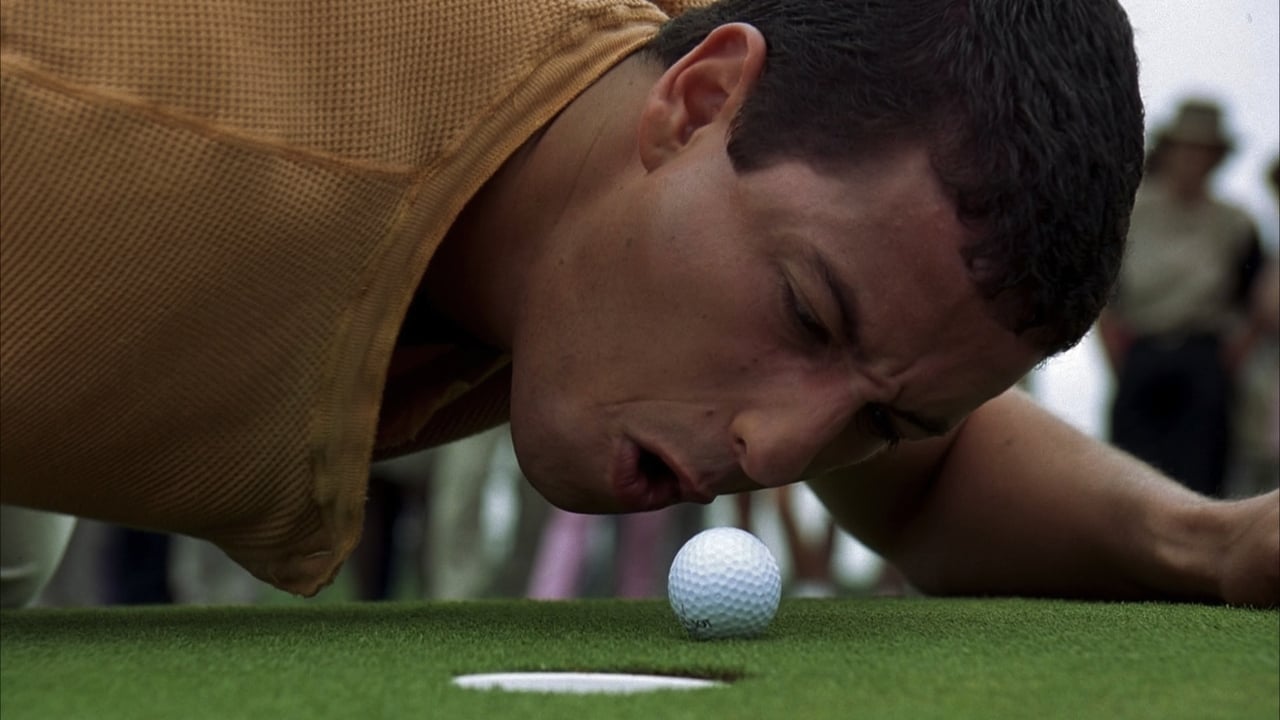
Happy Gilmore — still 1
Happy Gilmore — still 2
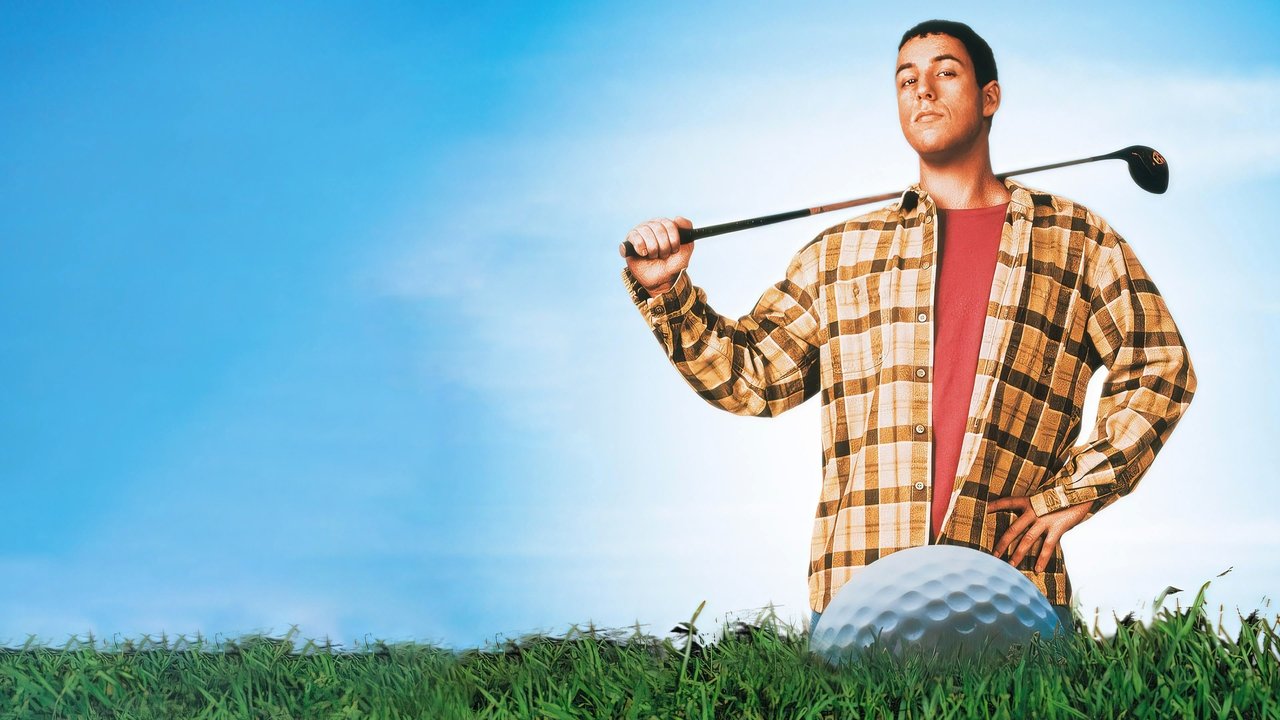
Happy Gilmore — still 3
Happy Gilmore — still 4
Happy Gilmore — still 5
Happy Gilmore — still 6
Happy Gilmore — still 7
Happy Gilmore — still 8

Ask Anything

Get a personalized guide on any topic