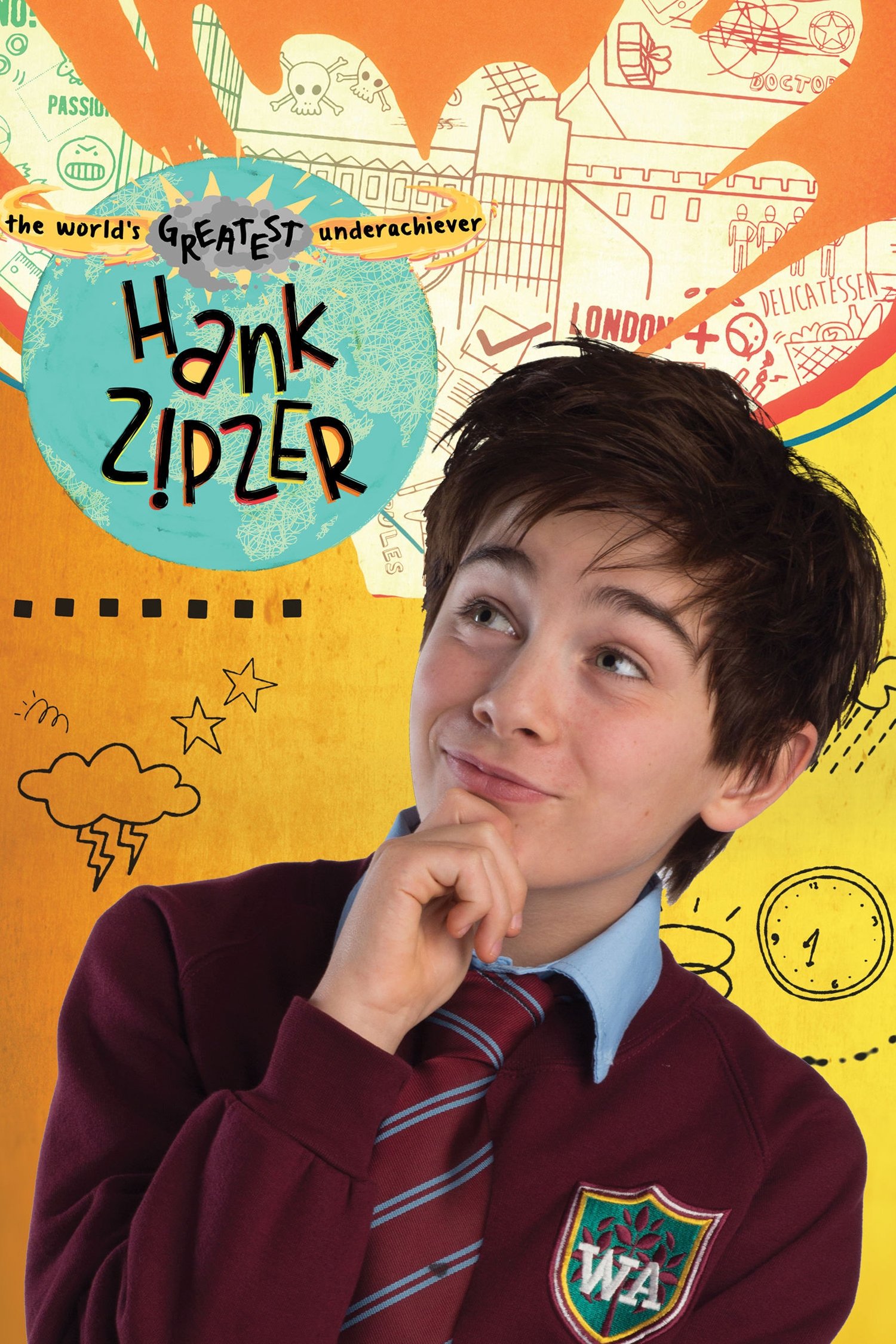
The "Wimpy Kid" antidote
If your kid has burned through every Diary of a Wimpy Kid book and movie, they’ve likely developed a taste for the "middle school is a disaster" genre. But while Greg Heffley can often come across as a cynical, borderline-sociopathic narrator, Hank Zipzer is the version of that character you actually want your kid to hang out with.
Hank is a disaster, sure. He’s a schemer and a procrastinator. But his chaos is rooted in a genuine desire to succeed in a system that wasn't built for his brain. Where other shows about "quirky" kids rely on mean-spirited humor or a "cool kids vs. losers" hierarchy, this show focuses on the internal friction of being smart but unable to show it on a standardized test. It’s funny because it’s frantic, not because it’s cruel.
The Mr. Rock factor
The secret weapon of the show is Mr. Rock, played by Henry Winkler. Winkler, who also co-authored the books the show is based on, is the physical embodiment of the "one adult who gets it." In a school environment where Ms. Adolf represents the rigid, old-school "just try harder" approach to learning, Mr. Rock represents the creative pivot.
Winkler’s involvement isn't just a celebrity cameo; it’s a mission statement. He has been vocal about his own late-in-life dyslexia diagnosis, and his performance here makes him the ultimate ally for parents of reluctant readers. He provides the emotional anchor that keeps the show from spinning off into pure slapstick. When Hank is spiraling because he can't memorize a script or finish a reading assignment, Mr. Rock is there to remind him that his "glitch" is just a different way of processing, not a broken part.
Why the British vibe works
Even though the books are set in New York, the show is a British production. This is a win for parents who are tired of the neon-saturated, high-gloss energy of American sitcoms from the same era. There’s a certain grittiness to the school—the hallways look a little cramped, the weather is often gray, and the kids look like actual kids, not 22-year-old models in hoodies.
This groundedness makes the comedy land better. When Hank’s latest Rube Goldberg machine inevitably fails and causes a mess, it feels like a real mess in a real classroom. The stakes feel higher because the world feels more recognizable.
Navigating the "schemes"
One thing to watch for is the "Ferris Bueller" of it all. Hank spends a massive amount of energy trying to avoid tasks he finds difficult. If you have a kid who already tries to negotiate their way out of every chore or homework assignment, they will find a lot of inspiration here.
However, the show usually does a good job of showing that Hank’s elaborate workarounds are actually harder than the original task. It’s a great entry point for a conversation about why we spend so much energy avoiding things that scare us. If your kid is constantly "glitching" when it comes to schoolwork, watching Hank try (and often fail) to shortcut his way to success is a much more productive Saturday morning activity than another round of mindless YouTube shorts.