The anti-Silicon Valley
Most modern media treats tech either as a cartoonish playground for eccentric billionaires or as a dystopian surveillance machine. Halt and Catch Fire does something infinitely better: it treats hardware and software as craft.
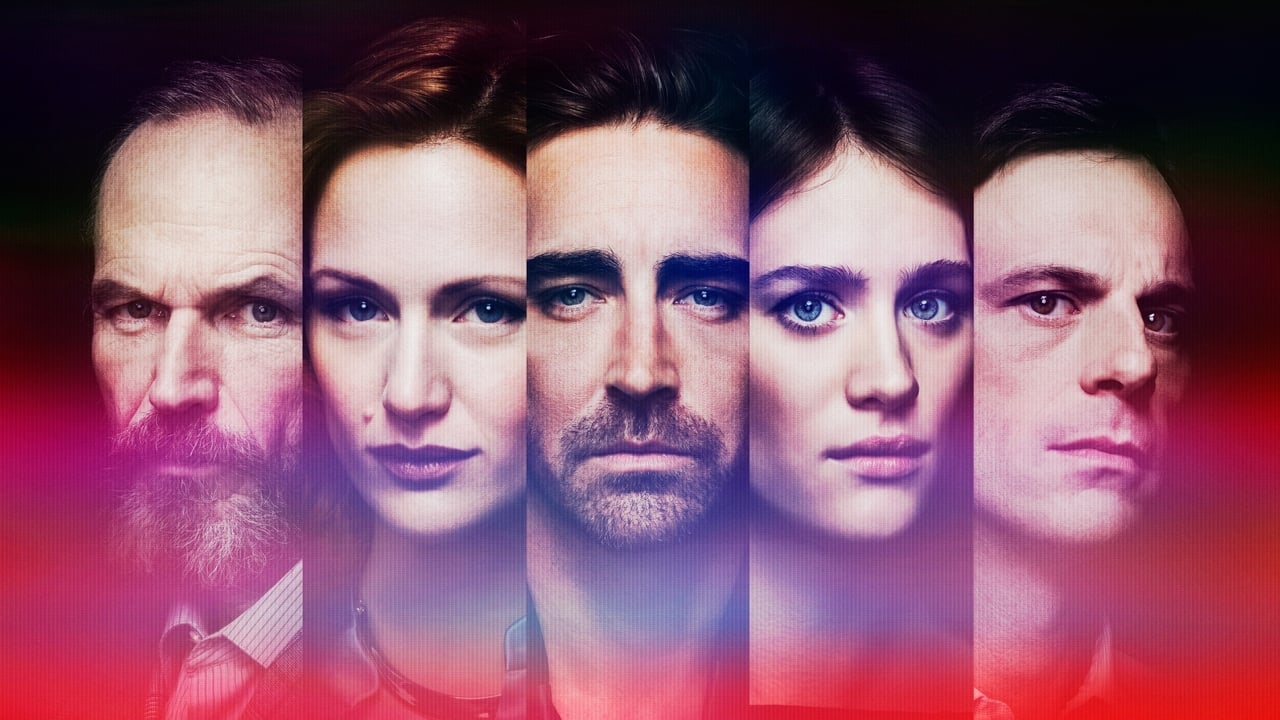
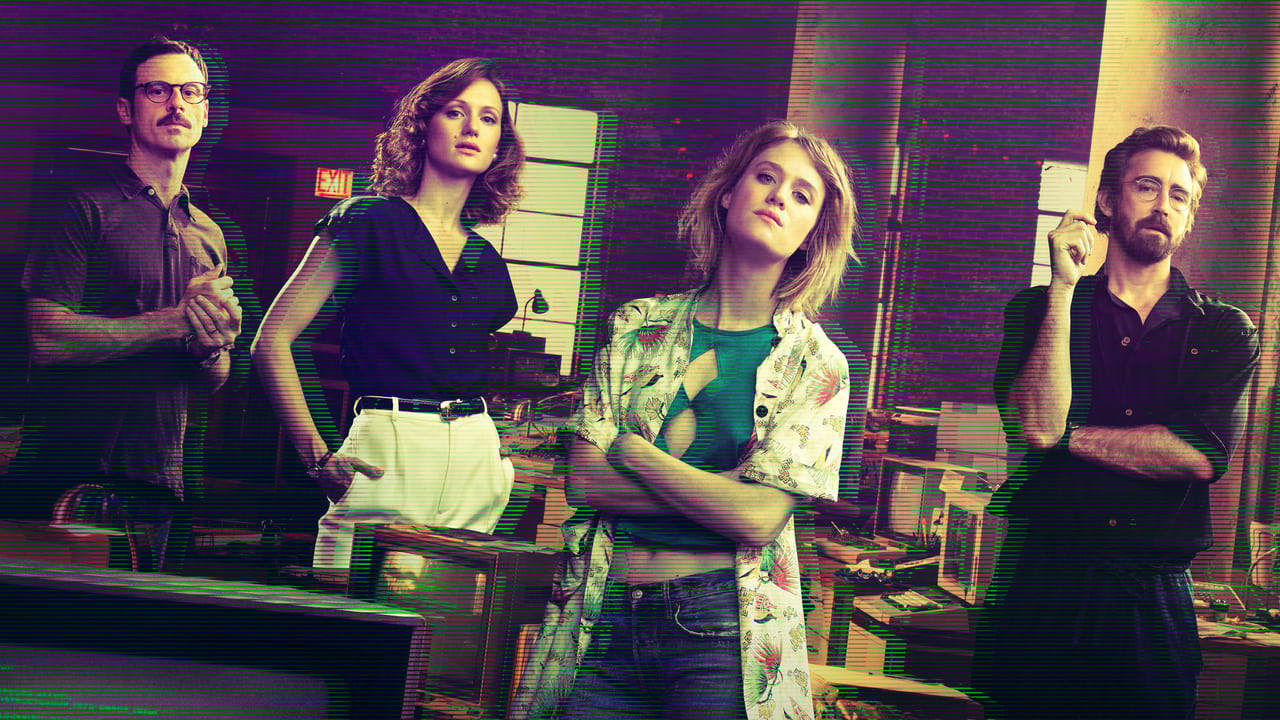
Spanning the early 1980s through the mid-1990s, the four seasons trace the tectonic shifts of the digital revolution through four main people in the Silicon Prairie of Texas and later Northern California:
- Gordon Clark, the brilliant hardware engineer fighting his own burnout and self-doubt.
- Cameron Howe, the punk-rock prodigy writing operating systems by instinct.
- Donna Clark, the pragmatic engineer who turns chaotic ideas into scalable businesses.
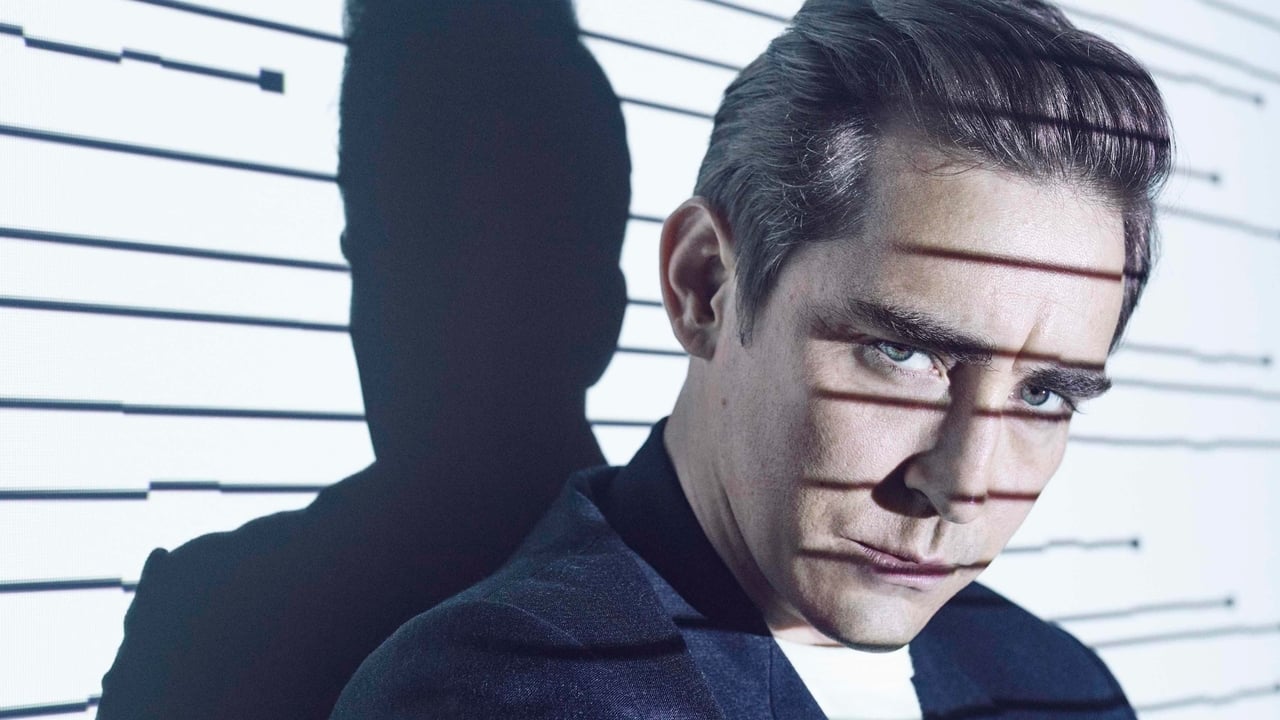
- Joe MacMillan, the slick visionary who senses the future before anyone else, even if he cannot build it himself.
What modern builders can take from it
If your teen spends their weekends tinkering with Arduino boards, participating in game jams, or building open-source tools, this show gives them a historical anchor. It covers the clone wars of the IBM era, the birth of dial-up community platforms like Mutiny (a clear stand-in for early services like Quantum Link/AOL), the rise of web browsers, and the brutal reality of search engines before Google ran the table.
More importantly, it shows the cost of invention. Success in Halt rarely looks like popping champagne on an IPO day. More often, it looks like realizing your competitor shipped two weeks earlier with three times the venture capital, leaving you with an empty warehouse and a better idea that arrived too late.
The content reality check
This aired on AMC alongside Mad Men and Breaking Bad, and it shares their DNA. Characters struggle with substance abuse, sleep together casually, scream profanities in high-stakes negotiations, and walk through real, devastating family heartbreak. This is not educational family programming; it is premium TV for mature viewers. Watch it alongside a 15-to-18-year-old, treat the tech history as a launchpad for great talks, and let the messy human drama speak for itself.