The identity crisis you need to know about
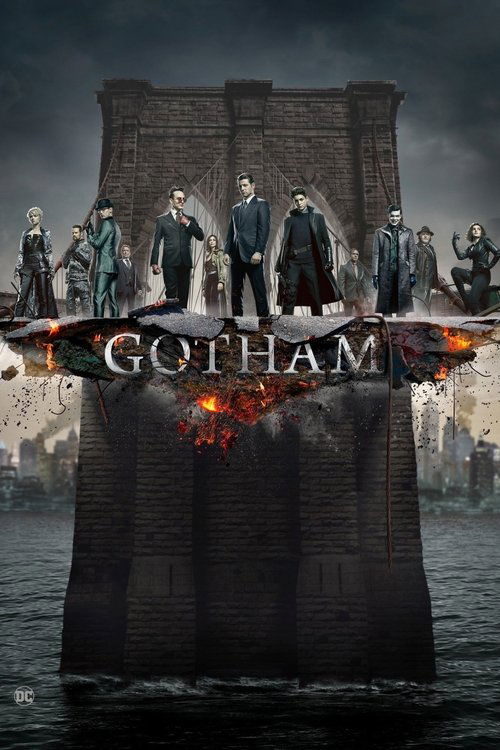
Most Batman adaptations pick a lane and stay in it. Gotham starts in one lane—a gritty, rainy police procedural about a rookie Jim Gordon—and then swerves violently into a campy, operatic villain origin story. If you start the first few episodes thinking you’re watching a grounded crime drama, you’ll be surprised when the show eventually embraces its inner comic book weirdness.
This shift is actually the show's greatest strength, but it can be jarring for a teen who prefers the ultra-realistic tone of something like The Batman. By the middle of the series, the "case of the week" format mostly dies off, replaced by sprawling arcs about power struggles between the city's future rogues gallery. It’s less about solving crimes and more about watching the city collapse in slow motion.
Why the villains run the show
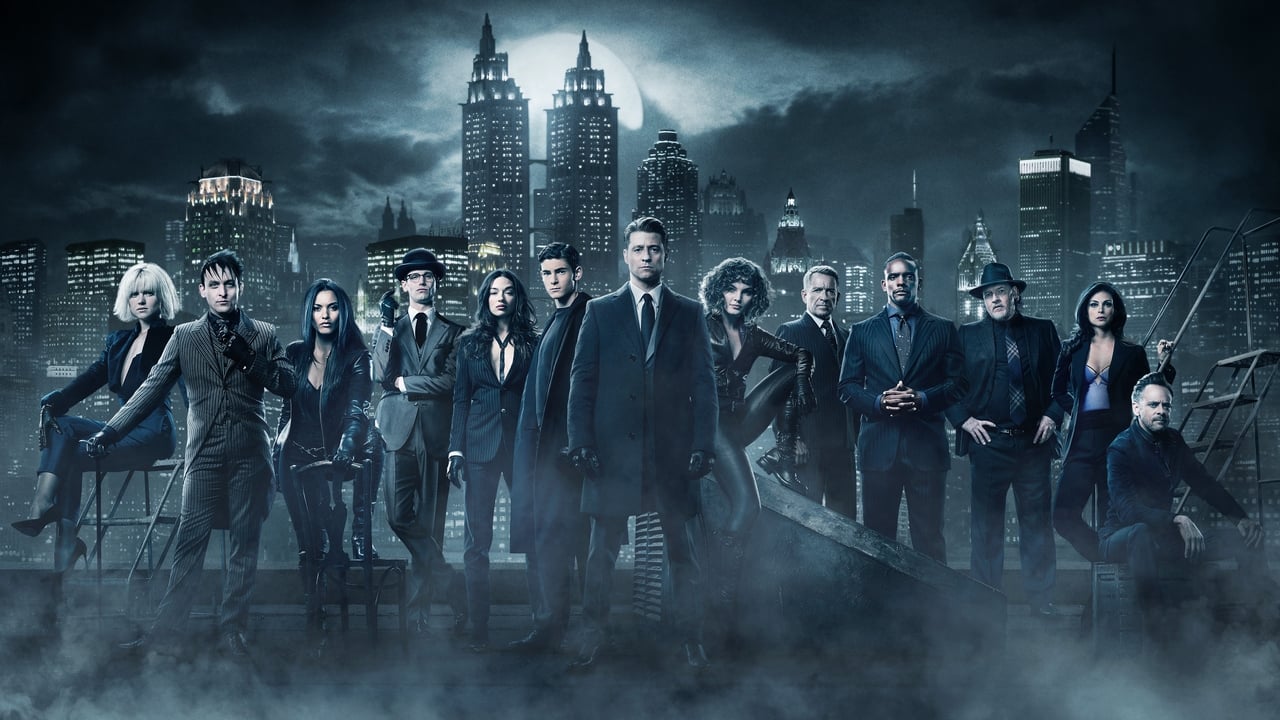
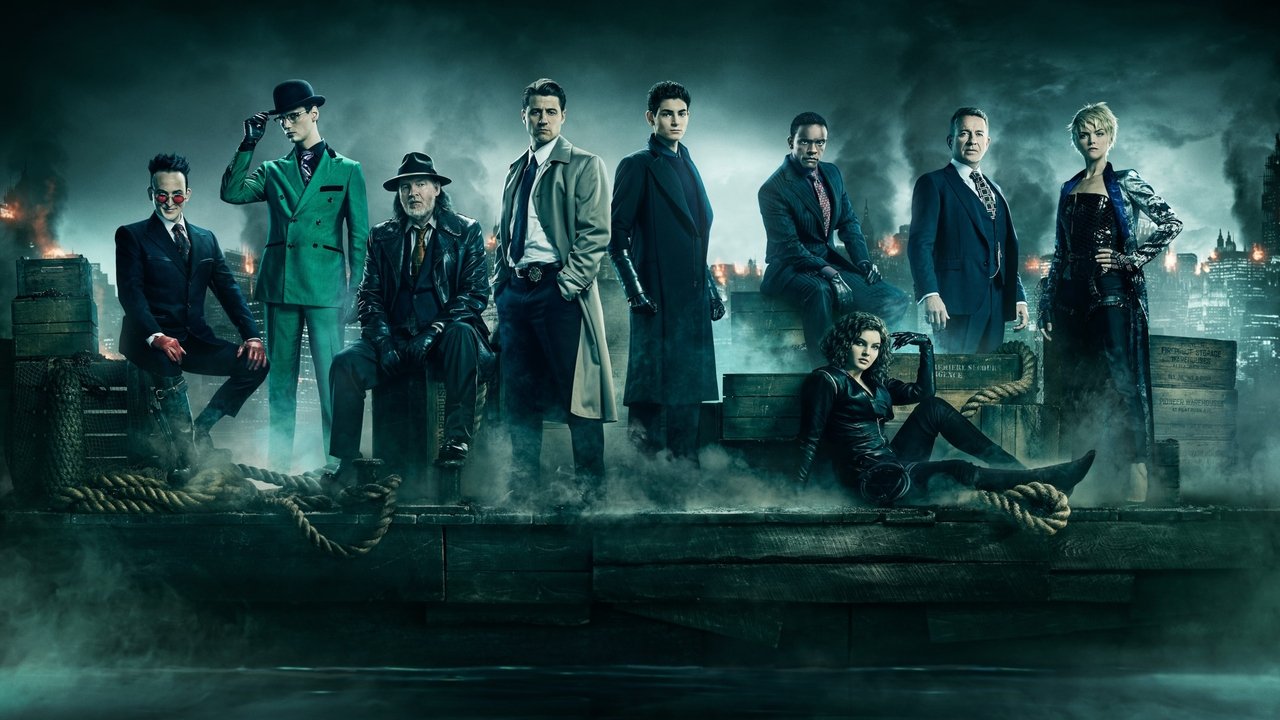
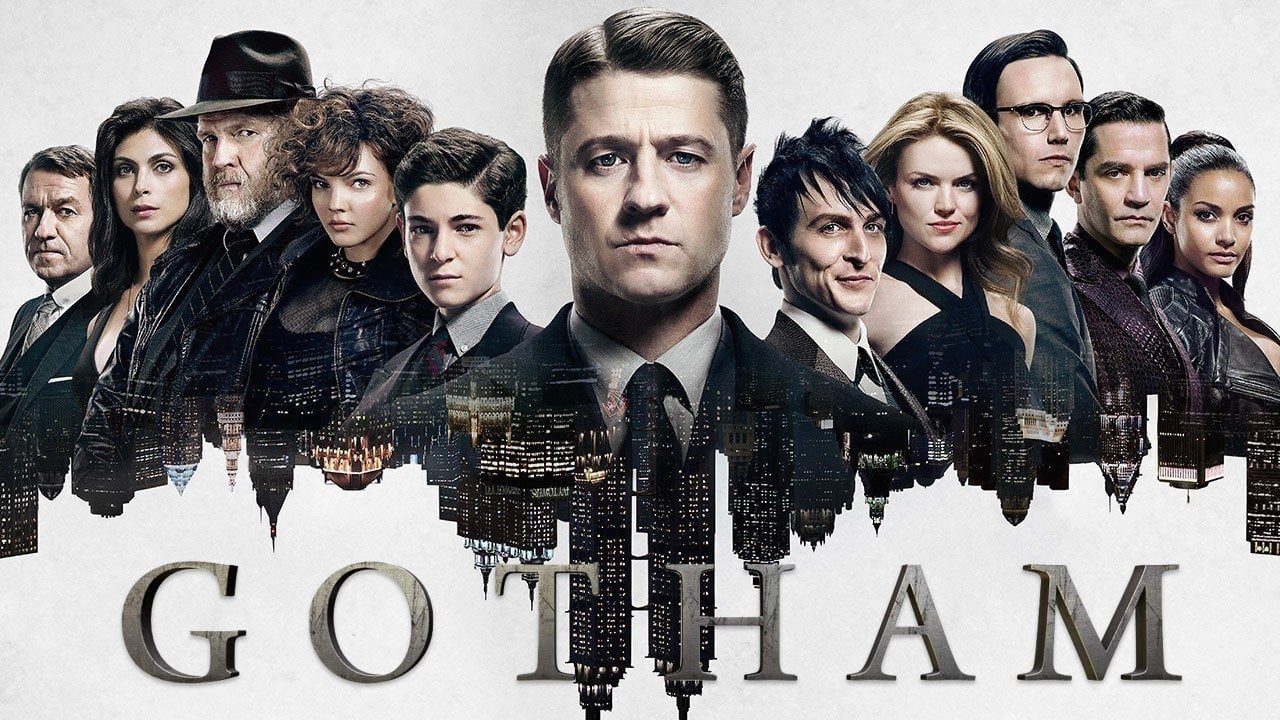
While Jim Gordon is the protagonist, he is often the least interesting person on screen. The real draw here is the evolution of the antagonists. We see the Penguin and the Riddler before they had the names or the costumes, and the show isn't afraid to make them both sympathetic and utterly monstrous.
For a teen who is fascinated by character psychology, there is a lot to chew on. You get to see how a series of bad breaks and a corrupt system can turn someone into a criminal mastermind. However, because the show focuses so heavily on the "birth" of these villains, it leans hard into psychological manipulation and betrayal. If your kid is looking for a traditional hero-wins-the-day narrative, they won't find it here. Every small victory Gordon wins usually comes at a massive moral cost.
Calibrating the "darkness"
The TV-14 rating is doing a lot of heavy lifting. While there aren't many "F-bombs," the show is remarkably comfortable with creative violence. We're talking about a world where characters are frequently kidnapped, tortured, or subjected to "mad scientist" experiments. It isn't just that people get shot; it’s that the atmosphere is relentlessly oppressive.
If you're trying to decide if your teen is ready for the jump from the MCU to something more visceral, check out our parent’s guide to Gotham. It breaks down how the show handles its "noir" elements versus its more graphic horror-adjacent moments.
If they liked the Arkham games
If your teen spent dozens of hours playing the Batman: Arkham video game series, Gotham is an easy sell. It shares that same DNA: a version of the city that feels like a gothic nightmare where the police are outgunned and the villains are larger than life.
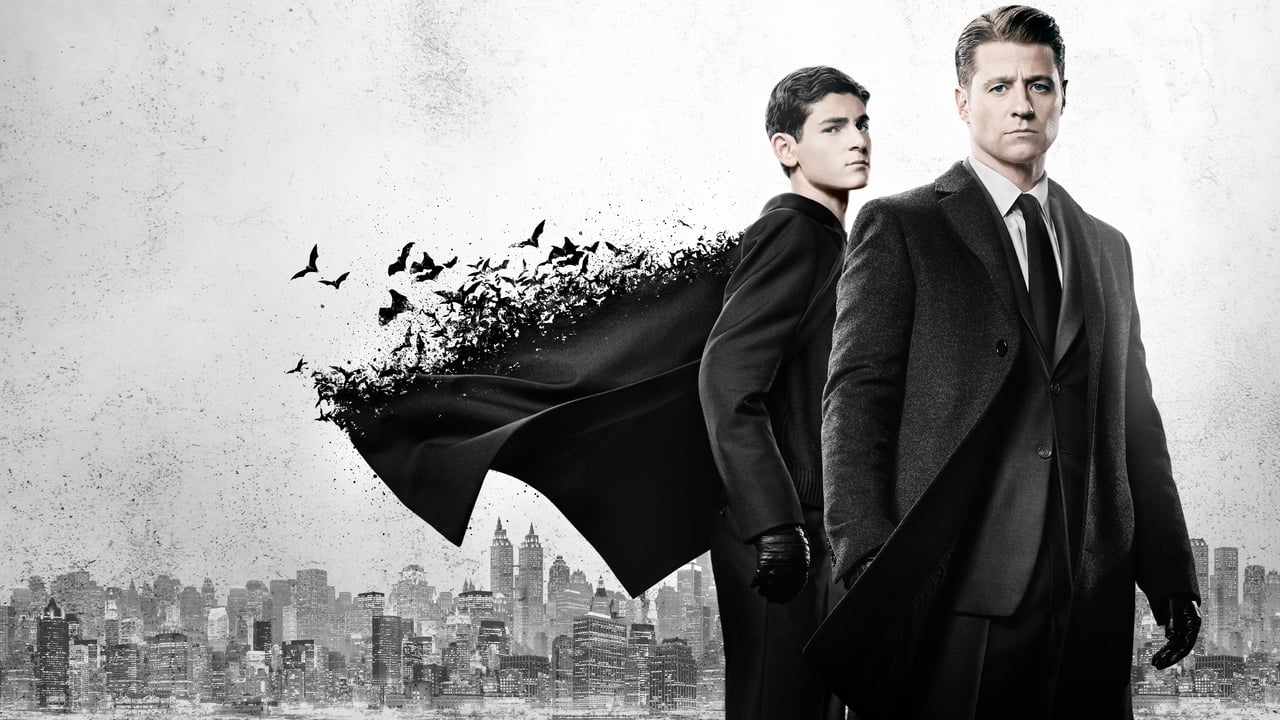
It’s a great "bridge" show for older teens who are moving away from standard superhero fare and starting to enjoy prestige TV dramas. Just be prepared for the fact that Bruce Wayne is a child for most of the series. This isn't a show about the Bat; it’s a show about the vacuum he eventually fills. If they can handle the lack of a cape and the high body count, it’s one of the most unique takes on the mythos available.