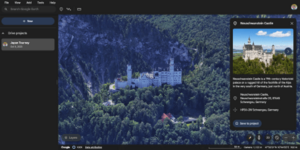


Google Earth is one of those rare apps that's both genuinely educational and genuinely cool. It turns geography from a boring subject into an interactive adventure—kids can explore the Grand Canyon, zoom into their school, measure the distance to Antarctica, or take a virtual tour of Tokyo.
The app is clean, ad-free, and remarkably safe for a Google product. The main caveat is that some user-generated videos in certain features may not be fully kid-friendly, so younger users might benefit from supervision. There are also recent reports of access issues for under-18 accounts in some school settings, which is frustrating but seems to be a policy quirk rather than a safety issue.
This is the kind of app that sparks genuine curiosity and makes the world feel both bigger and more accessible. Whether you're planning a family trip, doing homework, or just satisfying a random 'I wonder what Iceland looks like' question, Google Earth delivers. It's not flashy or gamified—it's just a really well-executed tool that does exactly what it promises.