First Man

First Man

movie

PG-13, 2018, Biography, Drama

WISE
68%

WISE Score

87

Avg. Tomatometer

Damien Chazelle's slow-burn space drama is more 'grieving dad in a tin can' than 'triumphant moon landing'—historically rich but emotionally heavy.

IMDb7.3
RT Critics87%
MC84
Common Sense Media
Where to Watch
Loading streaming options...
Screenwise Verdict

First Man is a beautifully crafted, historically meticulous film that takes the bold approach of making the moon landing feel... sad. And quiet. And heavy.

This is not the inspirational, triumphant space movie you might expect. It's a meditation on grief, with Neil Armstrong processing the death of his young daughter while risking his life in tin cans held together with rivets and hope. The visceral, claustrophobic depiction of 1960s spacecraft is genuinely terrifying and fresh—you feel every rattle and bolt.

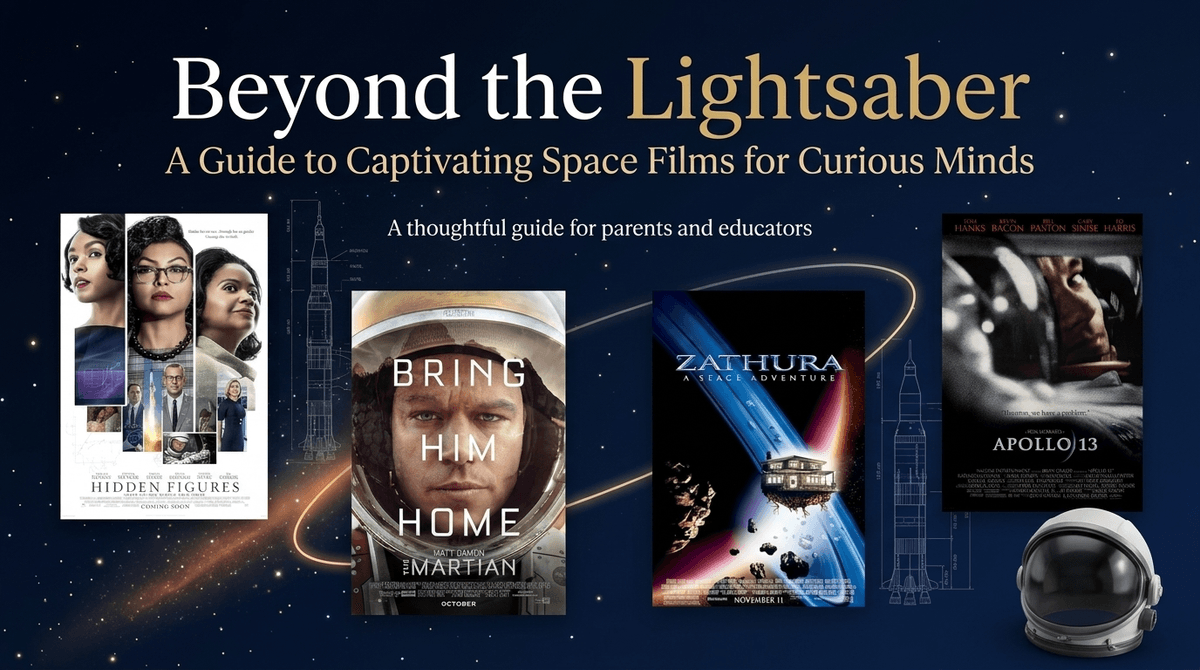
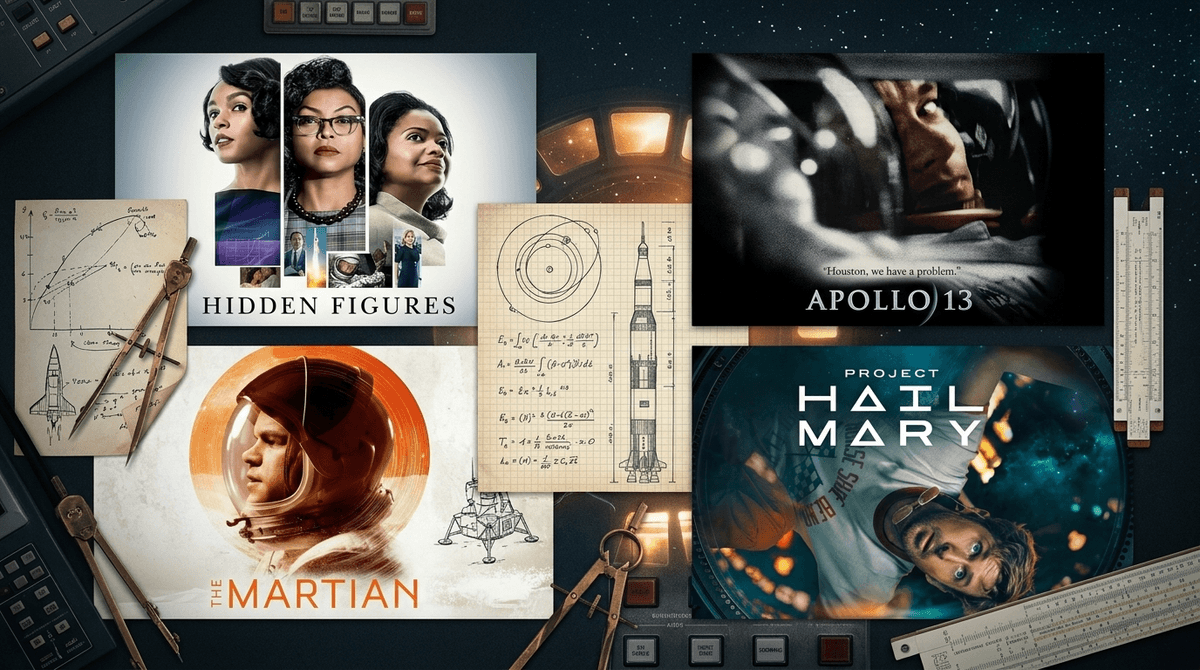
The problem? It's slow. Like, really slow. Critics loved it (87% RT), but audiences were more divided (68%), and you can see why. Kids expecting Apollo 13's propulsive energy or Hidden Figures' warmth will find this a slog. It's enriching and historically valuable, but it demands patience and emotional maturity.

For space-obsessed tweens and teens who can handle the heavy themes and deliberate pacing, this offers real insight into what the space race cost the people who lived it. Just know what you're getting into: this is prestige filmmaking, not popcorn entertainment.


Age Fit

Best for ages 12-17 who are interested in space history and can handle slow pacing and emotional weight. Younger kids expecting a thrilling space adventure will be bored; this is a character study about grief and ambition.

WISE Breakdown
Wholesome
72

Damien Chazelle's biopic portrays Neil Armstrong as a reserved, grieving father dealing with the loss of his daughter while pursuing the moon mission. The film models perseverance and dedication but is emotionally heavy, showing Armstrong's emotional withdrawal and the toll on his family. The pacing is deliberate and contemplative rather than chaotic, though it may feel slow for younger viewers. Marriage strain and grief are central themes, handled maturely but without warmth or lightness.

Imaginative
78

The film takes a visceral, claustrophobic approach to space travel that feels fresh—shaky cameras inside cramped capsules, the terrifying mechanics of 1960s spacecraft. It invites curiosity about the Apollo program and the engineering feat of the moon landing. However, it's more contemplative than adventurous, focusing on Armstrong's internal journey rather than the wonder of space exploration. The moon landing sequence is visually stunning and captures the enormity of the achievement.

Safe
58

PG-13 for some thematic content involving peril and brief strong language. The film includes intense, realistic spacecraft accidents with astronauts dying (though not graphically shown), including a harrowing Gemini 8 sequence. Armstrong's young daughter dies early in the film from a brain tumor (handled sensitively but emotionally heavy). There's brief strong language and scenes of marital tension. No nudity or sexual content. The visceral, shaky-cam depiction of spacecraft danger may be genuinely frightening for younger viewers. Common Sense Media rates it 12+, which seems appropriate.

Enriching
81

Exceptionally enriching for understanding the human cost and engineering marvel of the space race. The film offers insight into Armstrong's character, the dangers faced by astronauts, and the broader context of Cold War competition. Strong performances (Ryan Gosling, Claire Foy) and meticulous historical detail provide educational value. However, the slow pacing and emotional heaviness may limit engagement for younger viewers. The film invites discussions about sacrifice, grief, ambition, and what we're willing to risk for progress.

Parent Info
✓

Why It Might Be Great

  • Historically accurate and meticulous—shows the terrifying reality of 1960s space travel in a way that feels genuinely new
  • Strong performances from Ryan Gosling and Claire Foy that humanize the Armstrong family's sacrifice
  • The moon landing sequence is visually stunning and captures the enormity of the achievement without Hollywood schmaltz
  • Invites real conversations about what we're willing to sacrifice for progress and how grief shapes us
  • Critics loved it (87% RT, 84 Metacritic)—this is a serious, thoughtful piece of filmmaking
⚠

What to Watch For

  • Armstrong's young daughter dies from a brain tumor in the opening—it's handled sensitively but sets a heavy emotional tone for the entire film
  • Multiple astronaut deaths in spacecraft accidents (fire, crashes)—intense and frightening though not graphically violent
  • The pacing is deliberately slow and contemplative—this is not Apollo 13's propulsive thriller energy
  • Brief strong language and scenes of marital strain as Janet Armstrong confronts Neil's emotional withdrawal
  • The shaky-cam, claustrophobic spacecraft scenes may genuinely frighten younger kids

Conversation Starters

  • "Why do you think Neil had such a hard time talking about his feelings, even with his family?"
  • "Would you want to be an astronaut if you knew how dangerous it was back then?"
  • "What do you think Janet Armstrong sacrificed for her husband's career? Was it fair?"
  • "The movie shows the moon landing as quiet and personal rather than triumphant—why do you think they made that choice?"
  • "How do you think grief changed Neil? Did going to the moon help him or not?"

Ask Anything

Get a personalized guide on any topic