Fire Emblem – WISE Score & Parent Review | Screenwise
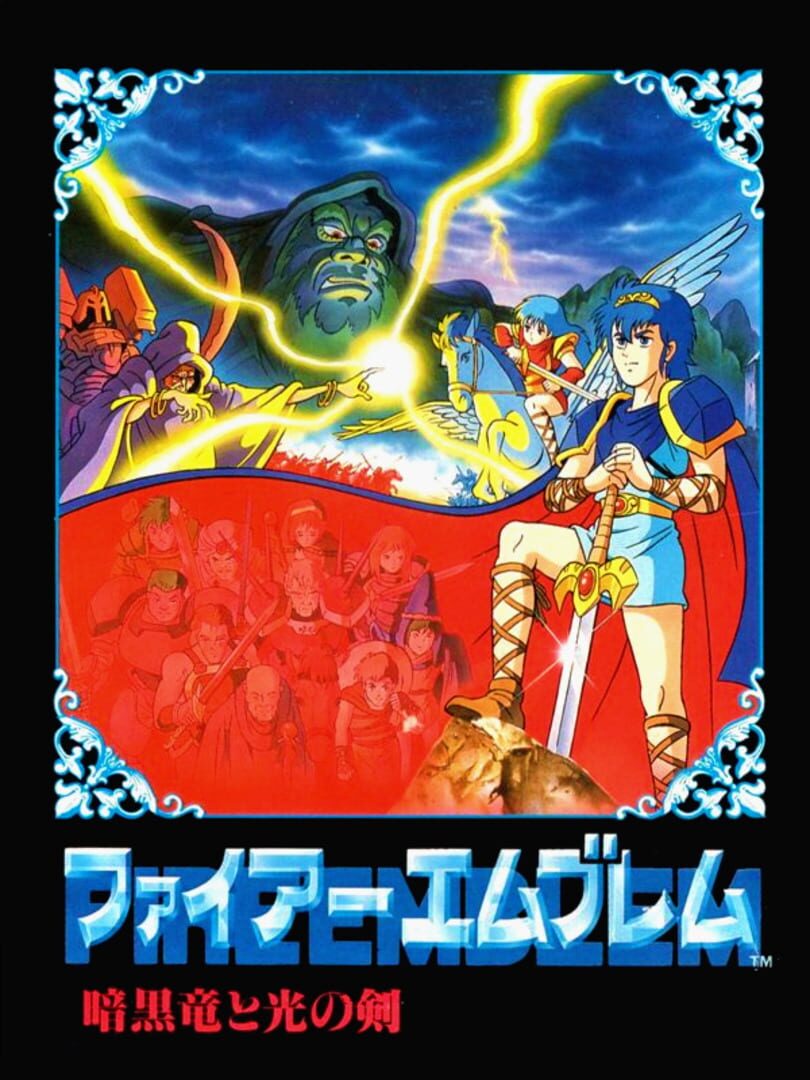
Fire Emblem
game1990Role-playing (RPG), Strategy
58%
WISE Score
90%
IGDB
The granddaddy of tactical RPGs that launched Fire Emblem—historically important, genuinely challenging strategy, but let's be real: it's a 1990 Famicom game.
Fire Emblem
game
1990, Role-playing (RPG), Strategy
58%
WISE Score
90%
IGDB
The granddaddy of tactical RPGs that launched Fire Emblem—historically important, genuinely challenging strategy, but let's be real: it's a 1990 Famicom game.
Here's the truth: Fire Emblem (1990) is historically significant and the tactical gameplay that made the series legendary is genuinely here. The permadeath system teaches real consequences, the strategy is solid, and there's zero predatory nonsense.
But this is a 1990 Famicom game that wasn't even officially translated until 2020. We're talking 8-bit sprites, clunky menus, and pacing that feels glacial to kids raised on Fortnite. Even dedicated Nintendo fans will struggle unless they're already invested in the Fire Emblem universe or have a thing for retro gaming.
If your kid is genuinely interested, the later Fire Emblem games (Three Houses, Awakening) offer the same strategic depth with modern presentation. This original is really for collectors, historians, or the truly devoted. It's like recommending kids read Beowulf in Old English—important, but probably not the best entry point.
Age Fit
Best for dedicated strategy fans ages 10-16 who can appreciate retro gaming or have Fire Emblem fandom through Smash Bros. Younger kids will bounce off the dated presentation; older teens will likely find it too primitive unless they're specifically into gaming history.
WISE Breakdown
Wholesome
72
Turn-based tactical RPG with strategic cooperation themes. Players command units in medieval fantasy battles with permadeath consequences that teach careful decision-making. Combat is stylized and not graphic. Models leadership and tactical thinking. Pacing is methodical rather than chaotic, though the permadeath mechanic can be emotionally intense when beloved characters die permanently.
Imaginative
68
Pioneered the tactical RPG genre with innovative permadeath and relationship systems. Features medieval fantasy world-building on the continent of Archanea. Strategic depth invites creative problem-solving in positioning and unit management. However, as a 1990 Famicom game, the 8-bit presentation and limited narrative scope feel constrained by era's technology. More execution of strategy than open exploration or creative expression.
Safe
78
No content ratings provided, but as a 1990 Nintendo-published strategy RPG, violence is highly abstracted (sprite-based combat with no gore). No online chat, no in-game purchases, no loot boxes or gacha mechanics. Users interact locally only. The permadeath mechanic can be emotionally difficult but isn't exploitative. Main safety concern is the emotional investment loss when characters die permanently, which can be genuinely upsetting for younger players.
Enriching
70
Strong IGDB rating (90/100) suggests lasting quality. Teaches strategic planning, resource management, consequence evaluation (permadeath means decisions matter), and tactical spatial reasoning. Builds patience and forward-thinking skills. However, entertainment value is significantly hampered by 1990 presentation—primitive graphics, no localization until 2020, clunky UI by modern standards. Historical significance for the genre but genuinely challenging for modern kids to engage with.
Parent Info
✓
Why It Might Be Great
Teaches genuine strategic thinking and consequence management—when characters die, they're gone forever, so every move matters
No predatory monetization, no online toxicity, just pure turn-based tactical gameplay
Pioneered mechanics that influenced decades of strategy games, giving kids appreciation for gaming history
Develops patience, spatial reasoning, and forward-planning skills through methodical tactical combat
Marth became iconic through Super Smash Bros, so there's crossover appeal for Nintendo fans
⚠
What to Watch For
The permadeath system can be genuinely upsetting when a character you've invested hours into dies permanently
Original version is Japanese-only; even the 2020 Switch port runs localization over primitive 8-bit graphics
Extremely dated presentation makes this a tough sell for kids raised on modern games—we're talking 1990 Famicom visuals and clunky UI
Steep difficulty curve and slow pacing may frustrate kids used to faster action
Conversation Starters
"How do you decide which characters to risk in battle when you know they can't come back if they die?"
"What's it like playing a game from 1990 compared to games made now? What's better or worse?"
"If you could bring back one character who died, who would it be and why?"
"How does the strategy in Fire Emblem compare to other games you play?"